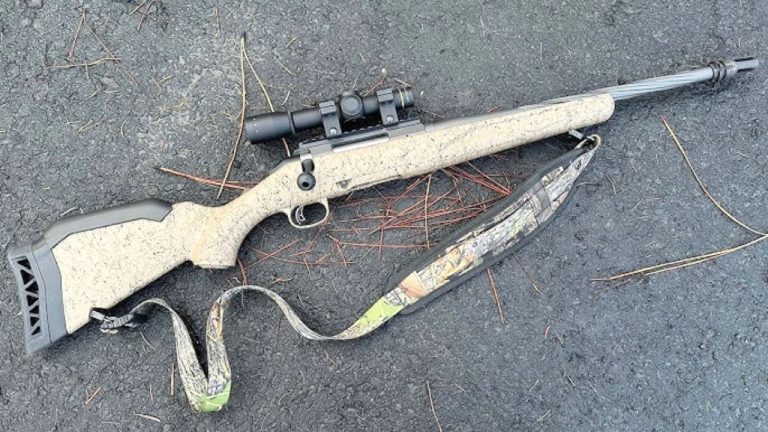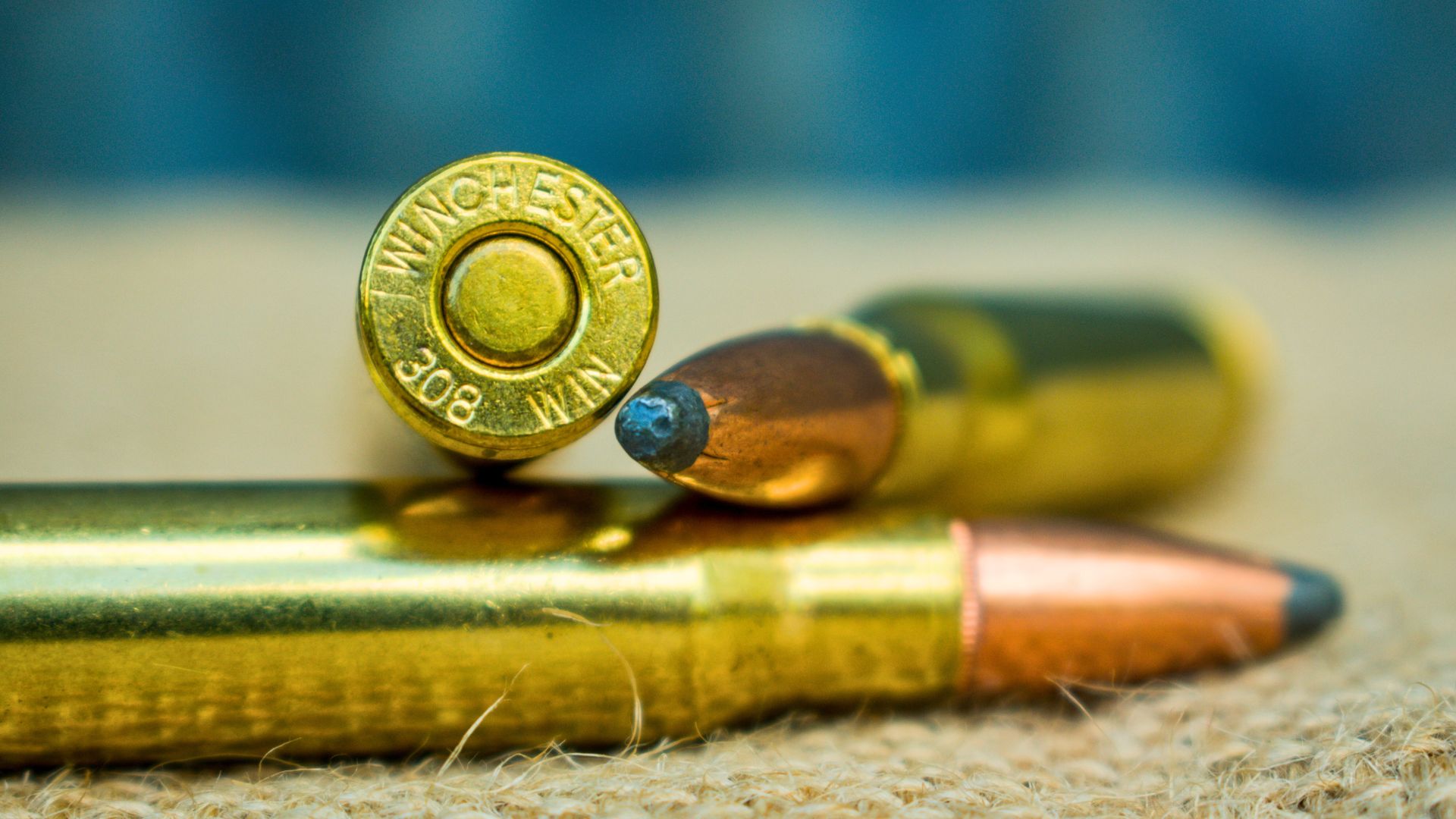
Calibers that are overhyped but still popular
Some cartridges stay popular because they work well enough, are widely available, or have decades of momentum behind them. Others ride waves of marketing, internet praise, or early success stories that never quite match everyday use. None of these calibers are useless, and plenty of game has been taken with all of them. The issue is expectations. When a cartridge is treated like a cure-all, shooters often overlook its limits. Understanding where these rounds fall short helps you choose tools based on reality instead of reputation. These calibers remain common in gun safes and on store shelves, even when their real-world performance doesn’t fully justify the praise.
6.5 Creedmoor
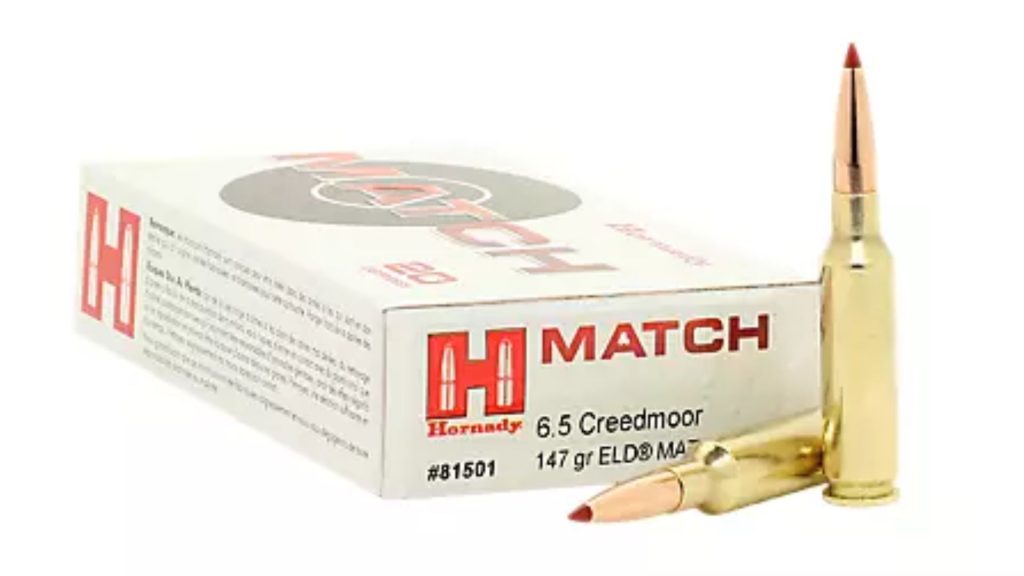
The 6.5 Creedmoor earned its following with manageable recoil and solid accuracy, especially at distance. For range shooting, it’s consistent and forgiving, which explains its wide adoption.
Where frustration creeps in is hunting expectations. Inside normal deer ranges, it doesn’t do anything dramatically better than older cartridges. Wind drift advantages are real, but not magical, and terminal performance depends heavily on bullet choice. Many shooters discover it performs well, not wonderfully, and requires careful setup to shine. Its popularity suggests something revolutionary, but in the field it often feels like a polished version of what already existed.
.224 Valkyrie
The .224 Valkyrie arrived with big promises of long-range performance from an AR platform. On paper, the numbers looked impressive and interest surged quickly.
In practice, consistency has been uneven. Barrel twist rates, ammo selection, and rifle setup matter more than expected. Some shooters get great results, while others chase groups that never tighten. Factory ammunition has been hit or miss, which limits confidence. The Valkyrie still has a following, but many early adopters moved on after realizing it required more tuning than advertised to deliver repeatable performance.
.300 Winchester Magnum
The .300 Win Mag has taken every big game animal imaginable, and it absolutely works. Power and reach aren’t the problem.
The issue is that many shooters don’t need what it offers. Recoil is significant, rifles are heavier, and practice sessions can be punishing. Inside common hunting distances, it provides little advantage over milder cartridges. Accuracy suffers for shooters who don’t spend time mastering recoil management. Its reputation suggests universal usefulness, but for most hunts it adds blast and fatigue without meaningful payoff.
.450 Bushmaster
The .450 Bushmaster gained traction in straight-wall states and for short-range power. On paper, it looks like a hammer.
Reality is more limited. Trajectory drops fast, recoil is abrupt, and effective range is shorter than many expect. Past modest distances, precision becomes challenging, and follow-up shots slow down. It works well within its niche, but that niche is narrow. The popularity often comes from legality rather than performance, which leads some hunters to expect more flexibility than the cartridge can deliver.
.350 Legend
The .350 Legend is another straight-wall favorite, praised for mild recoil and availability in ARs and bolt guns. It fills regulatory needs effectively.
Where expectations run ahead is downrange performance. Energy and trajectory fall off quickly, and wind plays a bigger role than many anticipate. It handles close-range deer cleanly, but stretching distance reveals its limits. Shooters drawn in by broad claims often learn that careful range discipline matters more with this cartridge than with many traditional deer rounds.
.204 Ruger
The .204 Ruger is fast, flat, and accurate on varmints, which explains its loyal base. Watching impacts through the scope is satisfying.
Problems show up in wind and barrel life. Light bullets drift more than expected, and barrels can wear faster than shooters anticipate. Ammo availability isn’t always reliable either. It shines under specific conditions, but many shooters find it less forgiving than slower, heavier options. Its reputation suggests ease, but success depends on calm conditions and careful shooting.
.22 Nosler
The .22 Nosler promised improved performance in the AR-15 platform with better velocity and range. Early interest was strong.
Adoption stalled due to magazine issues, limited ammo choices, and competition from other cartridges. Performance gains over established options were modest for most users. While capable, it never solved enough problems to justify switching platforms or investing heavily. It remains popular with a small group, but its broader reputation outweighs the practical benefits for most shooters.
10mm Auto
The 10mm Auto is praised for power and versatility in handguns. It handles hunting, defense, and outdoor carry roles.
For many shooters, recoil and follow-up shot speed become obstacles. Full-power loads are demanding, and practice costs add up. In defensive pistols, size and weight increase to manage the cartridge. While effective, it often delivers more force than needed, making it harder to shoot well compared to more manageable handgun rounds.
.40 S&W
The .40 S&W dominated law enforcement for years and built a massive following. Ammunition remains easy to find.
Shooters often discover snappier recoil and slower recovery compared to 9mm, without a clear performance edge. Advances in bullet design narrowed the gap long ago. Many agencies and shooters moved on, but popularity lingers. It works, but its reputation still reflects a past era more than modern realities.
.357 SIG
The .357 SIG built its name on velocity and barrier performance. On paper, it’s impressive.
In practice, muzzle blast, recoil, and cost limit its appeal. Magazine capacity drops, and training becomes more expensive. Performance gains are real but small for most uses. Shooters often realize they’re trading shootability for marginal advantages. The cartridge maintains a dedicated audience, but everyday practicality rarely matches the early praise.
7mm Remington Magnum
The 7mm Rem Mag has long been considered a flat-shooting favorite for big game. It delivers reach and energy.
Many hunters find recoil sharper than expected, and barrel length matters more than advertised. Inside typical ranges, benefits shrink compared to milder cartridges. It performs best when distance truly matters, but for most hunts it adds noise and recoil without changing outcomes. Its reputation remains strong, even when its advantages aren’t always necessary.
.28 Nosler
The .28 Nosler attracts attention with speed and long-range numbers that look impressive on charts. It’s undeniably powerful.
Costs show up quickly. Barrel life is shorter, recoil is substantial, and ammunition is expensive. Practical gains over established magnums are often small unless shooting very far. Many shooters discover it demands commitment and expense to use effectively. The cartridge delivers what it promises, but fewer people truly need what it offers than its popularity suggests.

Asher was raised in the woods and on the water, and it shows. He’s logged more hours behind a rifle and under a heavy pack than most men twice his age.