Calibers that balance penetration and control indoors
When you’re thinking about defensive shooting inside a home, the conversation changes fast. Walls are thin, distances are short, and recoil management matters more than raw velocity. A caliber that works great in the field can create problems indoors if it’s hard to control or punches through too much material. On the other hand, going too small can leave you fighting reliability or performance issues. The goal is a middle ground—cartridges that give predictable performance, manageable recoil, and reasonable penetration when paired with modern defensive loads. These calibers aren’t perfect, but they tend to behave in ways experienced shooters can manage when space is tight and decisions matter.
9mm Luger
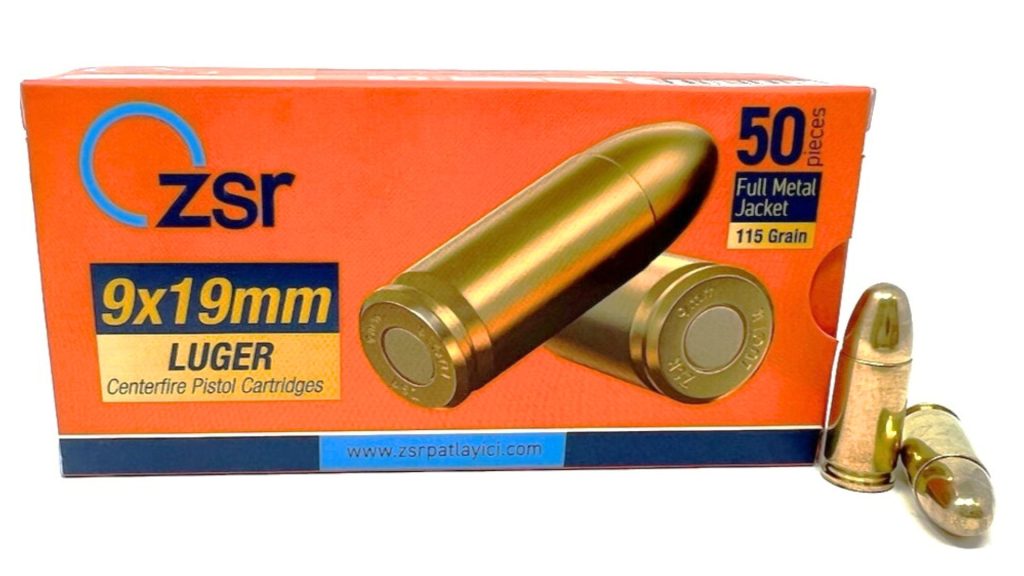
The 9mm Luger sits at the center of the indoor-defense conversation for good reason. It offers manageable recoil for most shooters while still delivering consistent performance at close distances. Follow-up shots are easier to control, and most full-size and compact pistols handle it well.
Indoors, 9mm benefits from predictable behavior compared to faster rifle rounds. With modern bullet designs, penetration can be kept within reasonable limits while still offering reliable performance. You’re not fighting excessive blast or punishing recoil, which matters when shooting from awkward positions. It’s not flashy, but it lets you stay focused on fundamentals rather than wrestling the gun.
.380 ACP
The .380 ACP often gets dismissed, but indoors it deserves a fair look. Recoil is mild, making it easier to control in smaller handguns, especially for shooters with less hand strength. That control translates into faster recovery between shots.
Penetration is more limited than larger calibers, which can be a concern, but it also reduces the risk of sending rounds through multiple barriers. Reliability depends heavily on the firearm, but in well-built pistols, .380 can be surprisingly manageable. It’s not a powerhouse, yet in close quarters it allows you to shoot accurately without fighting the gun.
.38 Special
The .38 Special has been working inside buildings longer than most modern cartridges have existed. Fired from a revolver, it offers consistent ignition and controllable recoil, especially in steel-framed guns.
Penetration is generally more predictable than magnum revolver rounds, and muzzle blast is easier on the senses indoors. While reloads are slower, the cartridge itself is forgiving to shoot. The .38 doesn’t overwhelm you with recoil or noise, letting you focus on accuracy. It’s old-school, but in confined spaces, it still makes sense for shooters who value control over speed.
.40 S&W
The .40 S&W walks a fine line indoors. It delivers more energy than 9mm, but recoil can be sharper, especially in compact pistols. For shooters with solid fundamentals, it’s manageable, though it demands more attention.
Penetration can be deeper than some prefer, but it remains more controllable than many rifle-caliber options. Indoors, the .40’s snappy recoil can slow follow-up shots if you’re not practiced. That said, in a duty-size handgun, it can be handled effectively. It rewards disciplined shooting while punishing sloppy grip and trigger control.
.45 ACP
The .45 ACP moves slower than many modern handgun rounds, which affects how it behaves indoors. Recoil is more of a push than a snap, and many shooters find it easier to manage than expected.
Because of its velocity, penetration tends to be more predictable than faster, lighter bullets. The tradeoff is lower magazine capacity and larger grip frames. Indoors, the .45 isn’t subtle, but it doesn’t produce the sharp blast of magnum or rifle rounds. For shooters comfortable with its size and recoil, it remains a controllable option.
.22 LR
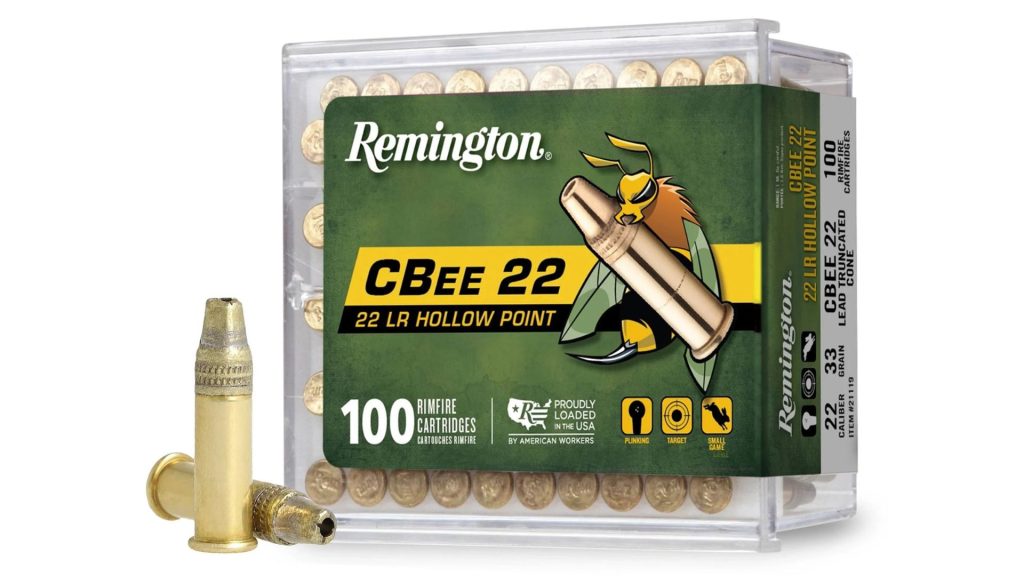
The .22 LR is not a traditional defensive choice, but indoors its characteristics are worth understanding. Recoil is minimal, allowing fast, accurate shot placement with little effort.
Penetration is limited compared to centerfire cartridges, which reduces risk beyond the intended target. Reliability can be a concern, especially in semi-automatic pistols, and rimfire ignition isn’t perfect. Still, in tight spaces, the lack of blast and recoil makes it easy to control. It’s not ideal, but it highlights how control can sometimes outweigh power indoors.
.327 Federal Magnum
The .327 Federal Magnum offers an interesting balance when fired from a revolver. It delivers higher velocity than .38 Special while maintaining manageable recoil in properly weighted guns.
Indoors, it offers better control than larger magnums without sacrificing performance. Penetration is notable, but recoil remains easier to manage than .357 Magnum. The ability to carry additional rounds in the cylinder is a bonus. It’s a cartridge that rewards practiced shooters who want revolver reliability with modern performance in close quarters.
5.7×28mm
The 5.7×28mm often sparks debate, especially indoors. Recoil is extremely light, allowing rapid, accurate shooting even in compact platforms.
However, its high velocity means penetration must be considered carefully. While controllable, it behaves differently than traditional handgun rounds. Indoors, the lack of recoil can be an advantage, but shooters must understand how the cartridge performs through barriers. It’s easy to shoot well, but it demands respect for what speed does in confined spaces.
.30 Carbine
The .30 Carbine was designed for close-range use, and indoors it shows both strengths and weaknesses. Recoil is light, and accuracy is easy to maintain, even in compact rifles.
Penetration can be significant, especially compared to handgun cartridges. That makes it a cartridge that requires careful consideration inside structures. Still, control is excellent, and follow-up shots are quick. It sits in a gray area between handgun and rifle behavior, offering ease of shooting while demanding awareness of what happens beyond the target.
12 Gauge Reduced-Recoil Buckshot
While not a caliber in the handgun sense, reduced-recoil 12 gauge loads deserve mention. They offer controllable recoil while maintaining consistent performance at indoor distances.
Shot placement still matters, but recoil is far more manageable than full-power loads. Penetration is substantial, yet predictable compared to slugs. Indoors, reduced-recoil buckshot lets you run the gun without fighting it. The tradeoff is size and weight, but in terms of balancing control and effectiveness, it remains relevant.
.410 Bore

The .410 bore often surprises people indoors. Recoil is light, especially in longer guns, and handling is quick in tight spaces.
Penetration is less aggressive than larger shotgun loads, though still effective at close range. Shot patterns remain tight indoors, requiring careful aim. The .410 doesn’t overwhelm the shooter, making it easier to manage under stress. While not a universal solution, it shows how reduced recoil can improve control when space is limited.
.357 Magnum (Moderate Loads)
The .357 Magnum has a reputation for power, but with moderate loads it can be managed indoors. Recoil is sharper than .38 Special, yet still controllable in heavier revolvers.
Penetration is significant, and muzzle blast is loud, which can be disorienting inside enclosed spaces. That said, accuracy remains excellent, and reliability is unquestioned. It’s a cartridge that demands respect and practice. Used thoughtfully, it balances control and performance better than its reputation suggests.

Asher was raised in the woods and on the water, and it shows. He’s logged more hours behind a rifle and under a heavy pack than most men twice his age.