Calibers that deliver power but don’t always result in quick kills
Powerful calibers have a reputation for authority on game and in self‑defense, yet raw energy does not always translate into fast, humane kills. The gap between paper ballistics and what happens inside an animal or attacker is where many of the most popular cartridges stumble, especially when bullets are pushed outside their ideal performance window. Understanding why some hard‑hitting rounds still produce long tracking jobs or delayed incapacitation is essential if I want my choices to be both effective and ethical.
Across hunting fields and defensive shootings, the same pattern appears: cartridges that look impressive on a chart can fail to transfer energy efficiently, penetrate correctly, or disrupt vital structures quickly enough. The calibers that truly shine are not always the biggest or fastest, but the ones whose bullets behave predictably in tissue, at realistic distances, and from real‑world barrel lengths.
Power, velocity and the myth of “more is always better”
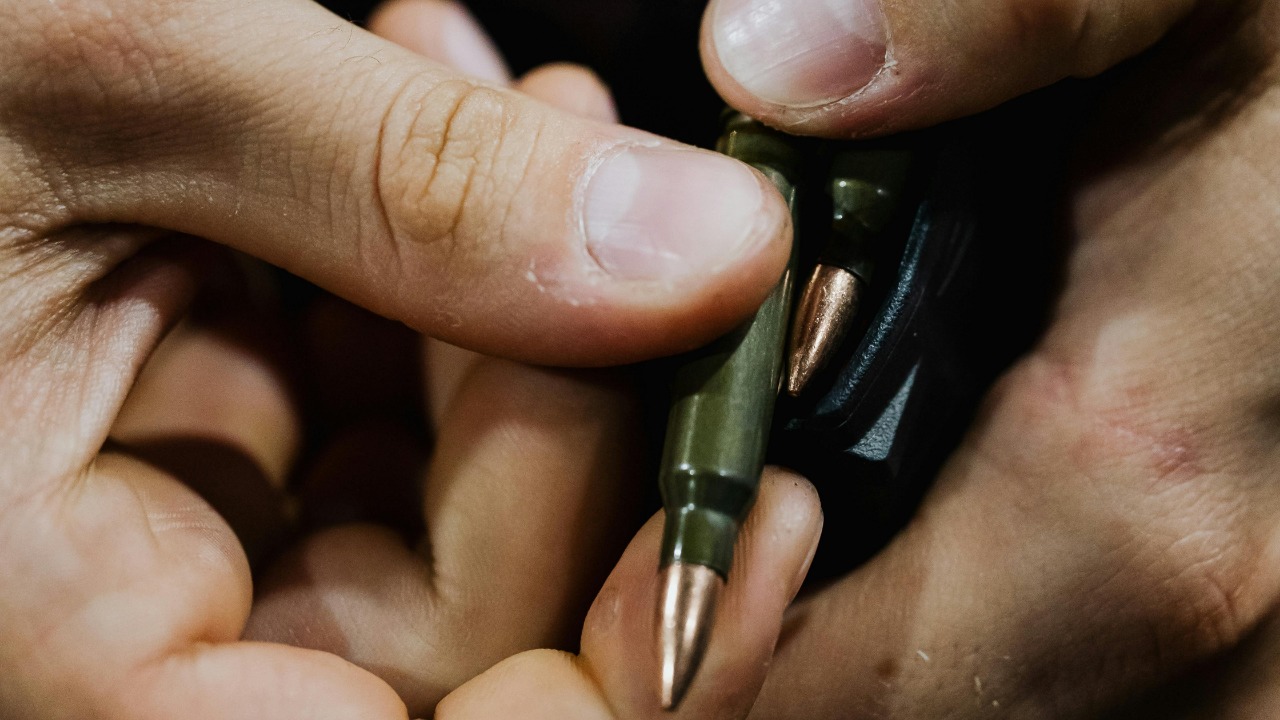
Many shooters chase speed and energy figures, assuming that higher numbers guarantee quicker kills, yet terminal performance is far more nuanced. I see this clearly in high‑velocity rifle rounds, where pushing bullets too fast can actually undermine lethality because high impact speed is the enemy of controlled expansion and structural integrity. When bullets are driven beyond their design envelope, they can fragment violently near the surface or veer off course, wasting the very energy that looked so impressive in the catalog and contradicting the idea that more velocity automatically kills better, a point underscored when But high speed is singled out as a liability for bullet performance.
On the other end of the spectrum, some classic big‑bore cartridges deliver substantial momentum at modest speeds yet still struggle to drop animals quickly when paired with soft or poorly constructed bullets. The 44–40 and 45–70 black‑powder rounds, for example, are held to mild pressures so their velocity and energy stay relatively low, which means poor bullet construction or marginal shot placement can easily turn a seemingly powerful hit into a long, difficult recovery. I have found that the real constant is not caliber size but bullet behavior in tissue, a point driven home when Poor terminal performance is described as fundamentally a bullet problem, even when a .30/30 Win. is clocking 2,200 feet per second.
Fast, flat and sometimes fickle on game
Flat‑shooting rifle cartridges are marketed as cure‑alls for missed shots, yet their real‑world killing performance can be surprisingly inconsistent. At 300 yards, one of the flattest performers is a Flattest 24‑caliber setup, the 240 Wby. Mag. throwing a 55-gr bullet that Drops only 11.6 inches, and it is so close to the 6.5-300 Wby. Mag. that trajectory is almost a non‑issue. Yet those same light, high‑speed bullets can be prone to rapid expansion or even disintegration on impact, especially at close range, which risks shallow wounds and long chases instead of the quick kills hunters expect from such dramatic ballistics.
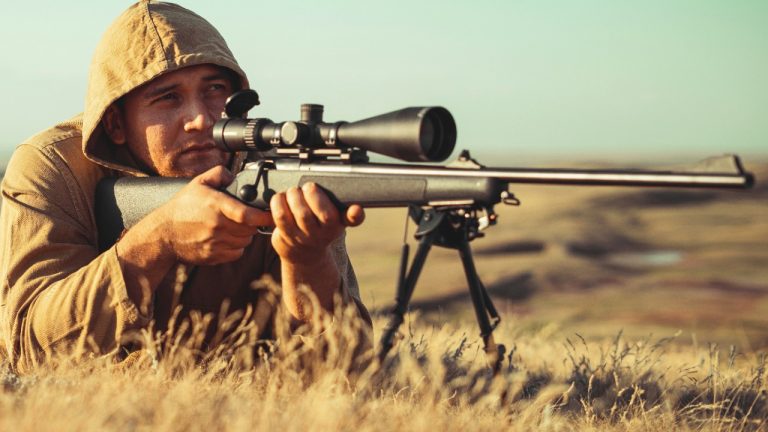
Long‑range specialists have seen this play out on heavy animals like elk, where mid‑bore 7 mm cartridges sometimes fail to anchor game despite impressive energy figures. One experienced shooter notes that Well documented issues with 7 mm bullets on elk at extended ranges raise questions about how much stock to put in calculated energy alone, especially past 1K yards. I have watched similar scenarios unfold when hunters stretch cartridges like the Best Long Range such as 6.5 Creedmoor or .308 Winchester beyond their ideal impact velocity window, where bullets may fail to expand and animals run far despite being hit with what looked like plenty of power on paper.
Subsonic and suppressed: quiet hits, slower kills
Suppressed rifles and subsonic loads have exploded in popularity, particularly in cartridges like .300 Blackout and .223/5.56, which are ideal for short‑range work but often lack the energy and velocity for reliable expansion at distance. The appeal is obvious: reduced recoil, compact rifles and, when paired with a suppressor, a dramatic cut in muzzle blast, especially when the bullet is kept below the roughly 1,100 feet per second threshold that defines subsonic flight. Yet that same low speed can blunt terminal performance, a trade‑off that becomes clear when I look at how subsonic rounds are the only way to eliminate the crack of the sonic boom, as explained in guidance on what hunters should know about suppressors.
The .300 Blackout is a perfect example of a cartridge that can hit hard yet sometimes fails to produce quick kills when loaded subsonic. The round grew out of the Appearing small‑caliber, high‑velocity SCHV concept, designed to rely on speed and hydrostatic shock, yet many modern users run it with heavy, slow bullets. The problem is that subsonic 300 loads often lack the muzzle velocity needed for proper expansion of the long, heavy bullets required for quiet flight, which can lead to narrow wound channels and animals that run far despite being hit solidly. Even when supersonic, the cartridge’s reputation for superior terminal ballistics from short barrels, highlighted when Its .300 Blackout is compared favorably to 9 mm, depends heavily on bullet design and impact distance.
Handgun calibers: energy on paper, modest stopping gaps
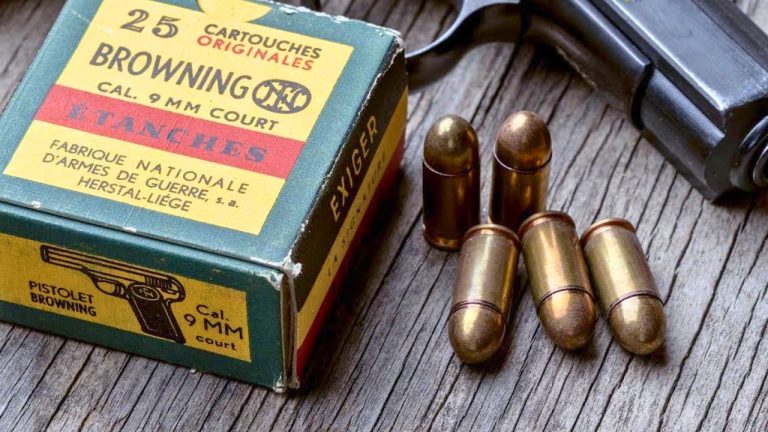
Handgun cartridges are notorious for producing delayed incapacitation, even when they generate respectable muzzle energy. A detailed look at defensive shootings found that, Between the most common defensive calibers, .38, 9 mm, .40 and .45, there was only a narrow spread in real‑world “one‑shot stop” rates, far smaller than the perceived gap in power. That finding tracks with my own view that handguns are fundamentally weak stoppers, and that caliber upgrades within this band rarely turn a pistol into a reliable one‑shot tool, especially when bullets fail to reach or disrupt vital structures.
Revolver rounds that look potent on paper can be particularly deceptive. In the hunting context, one seasoned handgunner argues that the .357 M Magnum lacks the down‑range energy to cleanly and quickly kill deer beyond close range, despite its reputation as a powerhouse. Controlled testing of the same cartridge reinforces the point that Even if a bullet expands dramatically, it is unlikely to cause immediate incapacitation if it cannot penetrate deeply enough, and that higher velocity does not always guarantee both expansion and penetration. For defensive shooters who expect instant results from a single handgun round, the reality described in Those who rely on pistols is sobering: gel tests can show potential, but real bodies require structural or nerve damage to stop quickly, and handguns often struggle to deliver it.
Penetration, over‑penetration and the “icepick” problem
Some calibers and loads excel at punching straight through tissue, yet that very strength can delay incapacitation or create safety risks. In home‑defense discussions, one experienced voice notes that the Best choice is often a round that expends energy quickly rather than a deep‑driving projectile that can zip through walls and bystanders. Ballistic calculators echo this caution, explaining that While deep penetration is valuable for reaching vital organs, too much can cause a bullet to pass completely through the target, wasting energy and posing a danger beyond. I have seen this “icepick” effect in both hunting and defensive contexts, where narrow, through‑and‑through wounds leave plenty of blood but little immediate disruption.
Rifle hunters face a similar dilemma when bullets are either too fragile or too tough for the job. Technical analysis of impact behavior warns that Rapid expansion, especially from unstable bullets or marginal twist rates, can cause projectiles to blow up before reaching the vitals, while overly stout designs may pencil through without transferring much energy. Gel testing of defensive loads reinforces that even dramatic expansion is not enough if penetration is shallow, and that the goal is a balance that reaches critical structures without excessive exit energy, a principle that applies as much to a whitetail’s chest as it does to a human torso.
Smallest ethical calibers and the role of bullet design
Debates over the smallest ethical caliber for deer and similar game often reveal how much bullet construction matters. In one discussion among hunters, a commenter named Agreed clarifies that they are talking about shots under 200 yards, and another user, Asatmaya, responds that with the right bullet, smaller calibers “can get the job done,” a sentiment I share. That view aligns with practical advice that Cartridges like .300 Blackout and .223/5.56 are excellent at shorter ranges and in specific environments but lack the energy for consistent performance as distances stretch.
Bullet technology can mitigate some of these limitations, especially in standard calibers used on larger game. On African plains hunts, for instance, Pennsylvania’s Cutting Edge Bullets have proven effective in “standard” rounds like .30‑06 and .300 Win. Mag., where controlled expansion and deep penetration are critical on tough animals. Closer to home, many deer hunters in Best Caliber for scenarios across America have learned that even big‑bore rounds like .45‑70 can be tuned with modern bullets to hit hard without destroying meat, a point echoed when While some hunters hesitate over big bores, careful bullet selection prevents excessive meat loss.
When “hard‑hitting” still means long tracking jobs
Even with well‑chosen bullets, some calibers are simply more prone to producing long tracking jobs because of how and where they are used. Many modern “do‑it‑all” hunting rounds are praised for sheer horsepower, yet even their advocates concede that they are not always the most comfortable or forgiving options. One overview of modern cartridges notes that a particular powerhouse might not be ideal for everyday carry or casual use, but if a hunter wants raw horsepower and is willing to accept recoil and blast, it stands out among the cartridges on the list. In my experience, those same traits can encourage marginal shot choices at longer ranges, where even a powerful impact may not translate into a quick kill if the bullet arrives below its ideal expansion threshold.
Shot placement and realistic zeroing practices are the final piece of this puzzle. Many hunters like to zero “long” so they can hold dead‑on at extended distances, but as one veteran observer notes, One reason for this habit is that people routinely overestimate yardage in the field. Combine that with cartridges that are marginal at the true distance, and it is easy to see why animals hit with seemingly powerful rounds still run far. Even the fastest commercial cartridges, such as the .220 Swift, which The Short Answer pegs at around 4,100 feet per second, can fail to deliver quick kills if paired with fragile bullets or used on game that demands deeper penetration than the load can provide.
Handgun and pocket calibers that disappoint in tissue
At the smallest end of the spectrum, some defensive calibers deliver enough penetration or expansion in gel but still fall short in real bodies. Testing of lightweight .380 and similar loads shows that many options either penetrate deeply with almost no expansion or expand nicely but stop short of the ideal depth, a pattern illustrated when a Remington HTP 88-grain load reached 16.8 inches but showed almost no (0.36-i inch) expansion. In practice, that kind of narrow wound track can behave like a knitting needle, especially if it misses major bones or the central nervous system, leading to attackers who remain mobile despite being technically “hit well” by caliber standards.
For hunters and defenders alike, the lesson is that calibers which look powerful on charts can still disappoint when bullets fail to do complex work inside living tissue. I have come to trust cartridges and loads that balance velocity, bullet construction and realistic range more than those that simply promise big numbers or dramatic recoil. Whether I am choosing a suppressed .45‑70 for whitetails in thick timber, a 6.5 Creedmoor from the Editor’s Pick of long‑range options, or a modest 9 mm for concealed carry, the calibers that truly deliver are the ones whose bullets reach and disrupt the vitals quickly, not just the ones that promise power on the box.

Leo’s been tracking game and tuning gear since he could stand upright. He’s sharp, driven, and knows how to keep things running when conditions turn.