Calibers that most shooters can handle
Here’s the straight truth most shooters eventually figure out. Caliber choice has less to do with bravado and more to do with control, comfort, and practice. If a round lets you shoot accurately, recover quickly, and stay relaxed behind the trigger, you’ll get more done with it than something that beats you up. Recoil tolerance varies, but there are cartridges that consistently work for a wide range of people, across handguns, rifles, and shotguns. These are rounds you can shoot well for long sessions, learn fundamentals on, and trust when it matters. If you want calibers that don’t fight back, start here.
.22 Winchester Magnum Rimfire
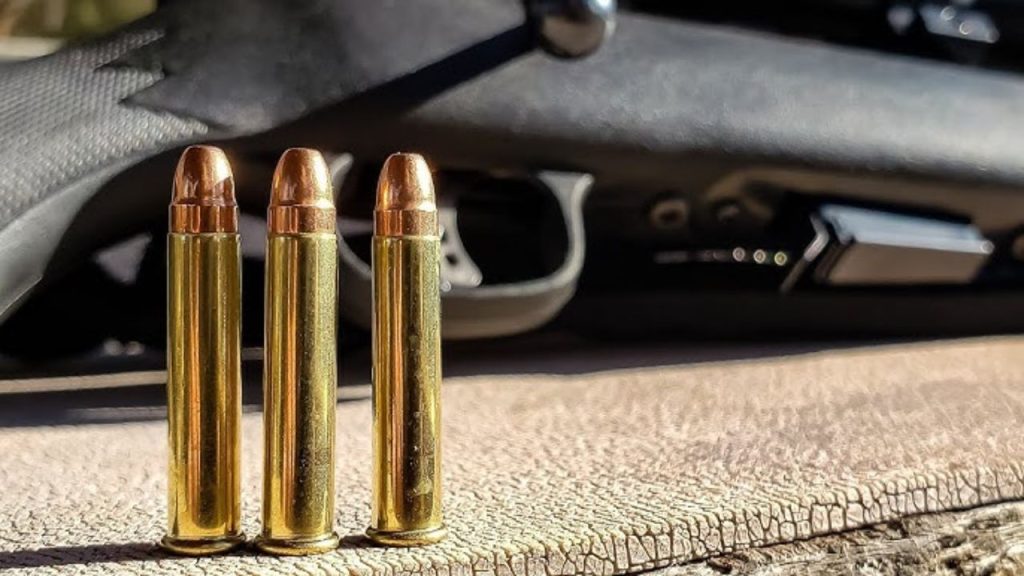
The .22 WMR adds reach and punch while staying easy to manage. Recoil is still light, but you gain flatter trajectories and better terminal performance than standard .22 LR. For shooters who want more capability without a jump in recoil, it’s a comfortable step forward.
In rifles, the cartridge stays smooth and predictable, even for smaller-framed shooters. It works well for varmints, small predators, and longer-range rimfire work. You’ll notice more noise and muzzle blast, but control remains easy. It’s a practical round when you want rimfire ease with extra authority.
.22 Long Rifle
The .22 LR is where most shooters find their footing, and many never leave it entirely. Recoil is nearly nonexistent, noise is mild, and accuracy comes easily with even modest rifles and pistols. That combination lets you focus on sight alignment, trigger control, and follow-through without distractions.
It also rewards volume. You can shoot hundreds of rounds in a session without fatigue, which builds skill faster than occasional range trips. Whether it’s small-game hunting, steel targets, or casual plinking, the .22 stays useful long after the learning phase. There’s a reason experienced shooters still keep one close.
.25 ACP
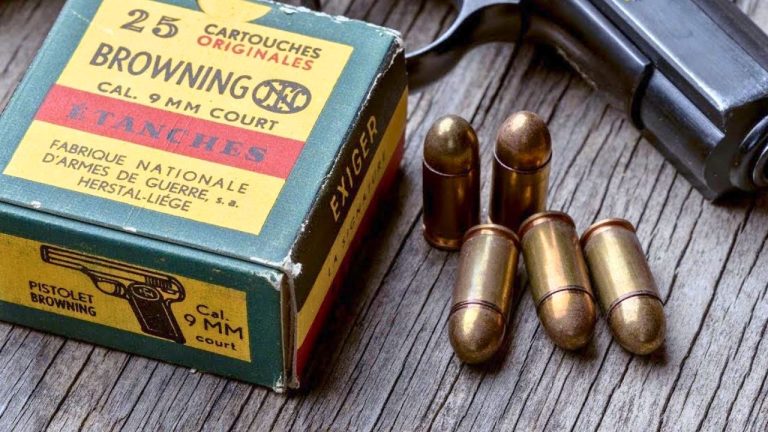
The .25 ACP often gets dismissed, but recoil-sensitive shooters understand its value. In compact pistols, it produces minimal snap and allows consistent shot placement, especially for those who struggle with harsher cartridges. Control matters more than paper energy numbers.
Reliability improves over rimfire in small semi-autos, and recoil stays manageable even in lightweight guns. It’s not a hunting round and it’s not meant for long distances, but it fills a narrow role well. For shooters who need the softest centerfire option available, it still earns consideration.
.32 ACP

The .32 ACP strikes a balance many shooters appreciate. Recoil is gentle, slide operation is easier, and follow-up shots come quickly. Compared to .380, it’s noticeably softer, especially in compact pistols where recoil tends to stack up.
Accuracy often surprises people. The cartridge has a reputation for smooth shooting and good inherent precision. For range work or defensive practice where control is the priority, .32 ACP delivers a calm shooting experience. It’s especially helpful for shooters with limited hand strength or joint issues.
.380 ACP
The .380 ACP sits right on the edge of what most shooters find comfortable in small pistols. In full-size or metal-framed handguns, recoil is mild and easy to manage. In micro-compacts, it gets sharper, but still stays within reason for many people.
Shot placement improves when recoil doesn’t interrupt your rhythm, and .380 allows that for a wide audience. Ammunition options have improved over the years, making it more versatile than its reputation suggests. It works best when paired with a gun sized to tame the impulse.
9mm Luger
The 9mm remains the most widely manageable service cartridge for a reason. Recoil is firm but controllable, even for newer shooters, and modern pistols are designed around it. With proper grip and stance, most people adapt quickly.
It also rewards practice. The recoil impulse is predictable, allowing fast follow-up shots without fighting the gun. Ammunition availability keeps training affordable, which matters more than raw power. For shooters who want a do-it-all handgun caliber without excessive recoil, 9mm remains the standard.
.38 Special

The .38 Special has introduced generations of shooters to handguns, and it still works. Fired from a medium-frame revolver, recoil is smooth and steady rather than abrupt. That makes it easier to stay on target and maintain confidence.
You also gain flexibility. Light target loads are soft and forgiving, while defensive loads add authority without becoming harsh. Revolvers chambered in .38 are often heavy enough to soak up recoil, helping new shooters settle in. It’s a cartridge that prioritizes control over aggression.
.223 Remington
In rifles, the .223 Remington is one of the easiest centerfire cartridges to shoot well. Recoil is light, especially in semi-automatic platforms, and muzzle rise stays minimal. That allows shooters to spot impacts and stay engaged between shots.
Accuracy comes naturally with proper fundamentals, and the cartridge performs well across a wide range of barrel lengths. Whether you’re shooting paper, steel, or varmints, fatigue rarely becomes an issue. For shooters stepping into centerfire rifles, .223 offers confidence without punishment.
.243 Winchester
The .243 Winchester delivers impressive performance without heavy recoil. Built on a necked-down case, it shoots flat and stays comfortable even during extended sessions. Many hunters find it easy to shoot accurately from field positions.
It’s especially popular with younger and smaller-framed shooters for that reason. The recoil impulse is quick but not jarring, and rifle weight helps further soften it. From varmints to deer-sized game, the cartridge covers a lot of ground while staying approachable.
20 Gauge
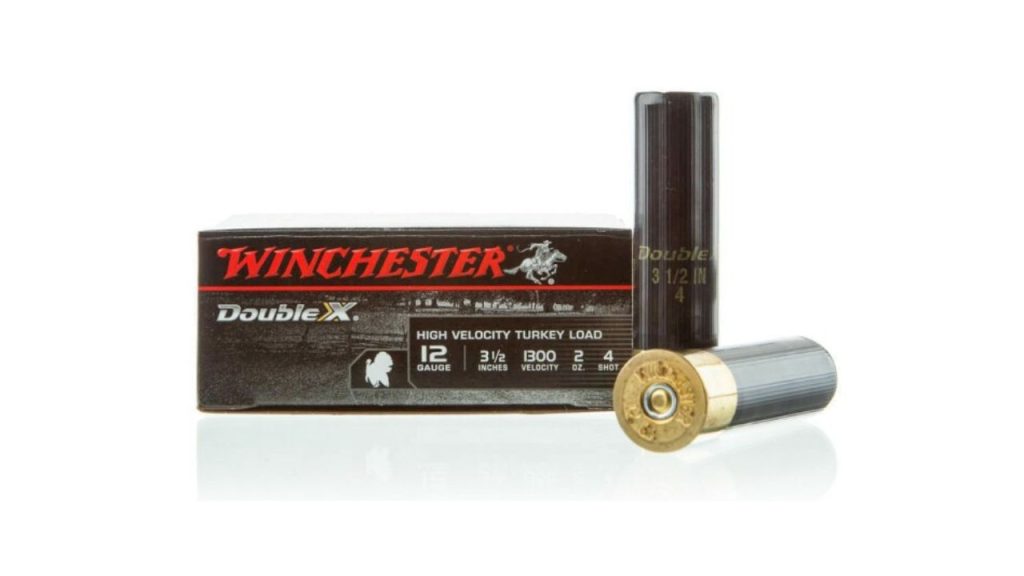
The 20 gauge shotgun offers real capability without the shoulder fatigue of heavier loads. Recoil is noticeably lighter than 12 gauge, especially in properly fitted guns. That makes it easier to practice longer and shoot better.
Modern 20 gauge loads handle upland birds, clays, and even deer with confidence. The reduced recoil helps shooters maintain form and follow through on moving targets. For many people, it’s the sweet spot between performance and comfort in a shotgun.
.410 Bore
The .410 bore is often misunderstood, but recoil-sensitive shooters appreciate it immediately. With light payloads and modest velocities, it stays easy on the shoulder. That helps new shooters focus on mounting the gun and tracking targets.
It does demand precision. The smaller shot column rewards good fundamentals, which can improve overall shooting skill. For clays, small game, and learning shotgun basics, the .410 offers comfort without intimidation. It’s forgiving on the body, even if it asks more from the shooter.
5.56 NATO
While similar to .223, 5.56 NATO deserves its own mention due to widespread use. In modern rifles, recoil remains mild and controllable, even during rapid fire. Gas systems and muzzle devices further soften the shooting experience.
The cartridge allows shooters to train extensively without developing bad habits from recoil anticipation. It’s approachable, predictable, and easy to manage across a wide range of platforms. For shooters who want a capable rifle round that doesn’t wear them down, 5.56 stays friendly and effective.

Leo’s been tracking game and tuning gear since he could stand upright. He’s sharp, driven, and knows how to keep things running when conditions turn.