Calibers that sound good but shoot poorly
Some calibers sell themselves on the way they roll off your tongue. They sound fast, powerful, or futuristic, and that alone convinces a lot of shooters to give them a try. The problem shows up later, usually at the range or in the field, when reality catches up with the marketing. Recoil patterns, ammo availability, barrel life, and real-world accuracy matter more than a cool name ever will.
This isn’t about calling any cartridge useless. Every round here can work under the right conditions. But if you’ve ever bought ammo expecting magic and got frustration instead, you already know the theme. These are calibers that promise more than they usually deliver once you start pulling the trigger.
.224 Valkyrie
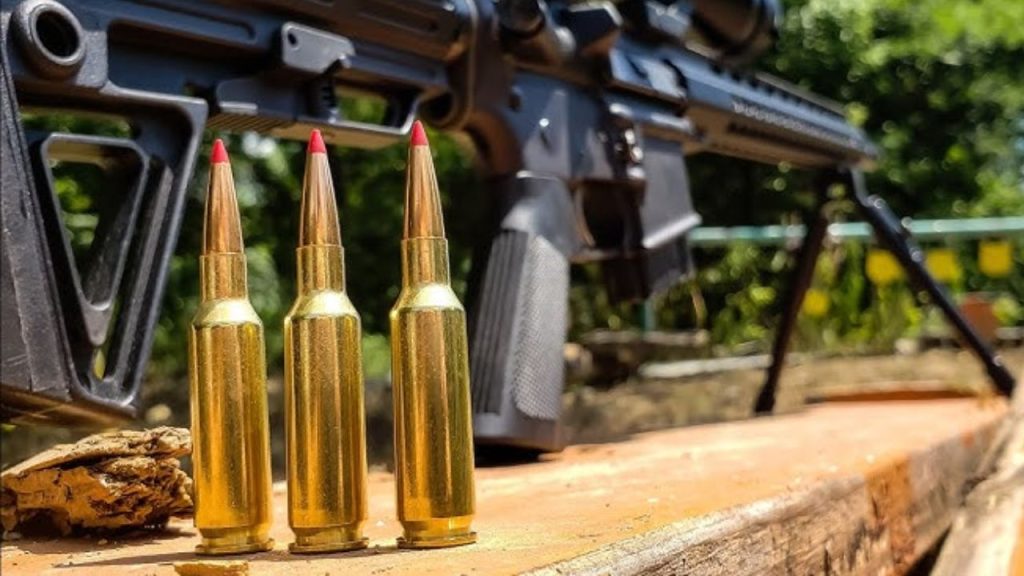
On paper, .224 Valkyrie looks like a long-range cheat code. High ballistic coefficients, flat trajectories, and AR-15 compatibility made it sound like a small-frame answer to bigger precision rounds. In practice, results have been mixed at best. Many factory rifles struggled to stabilize heavier bullets, especially early on, and twist rate confusion hurt consistency.
Ammo selection never really caught up to the hype, either. You often end up limited to a handful of loads that don’t always perform the way charts suggest. When everything lines up, Valkyrie can shoot well, but it asks for more patience than most shooters expect from an AR cartridge marketed as easy distance.
.277 WLV
The idea behind .277 Wolverine was solid: better performance than 5.56 without jumping to a full-size AR-10. The name sounds serious, like it belongs on a data card taped to a rifle stock. In reality, the cartridge lives in a narrow lane that limits its appeal.
Reloading is almost mandatory, and factory ammo can be tough to find. Accuracy varies wildly depending on barrel and load development, which puts new shooters at a disadvantage. When a cartridge requires that much tinkering just to behave, most people are better served sticking with something more established and predictable.
.224 Lancer
Anything with “Lancer” in the name sounds fast and aggressive, and that’s exactly the image this cartridge leans into. The problem is that the performance rarely separates itself enough to justify the effort. You’re dealing with limited factory support and a small data pool for reliable loads.
Consistency is the biggest issue. Some rifles shoot it well, others never quite settle down. Velocity gains over common alternatives don’t always translate to tighter groups or better terminal results. It ends up feeling like a project round, which can be rewarding for a few shooters but frustrating for most.
.224 Predator
The name suggests a purpose-built hunting round that hits hard and shoots flat. In practice, .224 Predator struggles to find its footing. It sits in an awkward space where it doesn’t clearly outperform more common .22-caliber options, yet demands more attention to setup.
Barrel selection and load matching are critical, and even then accuracy can be inconsistent. Add in limited ammo availability, and you’re often left chasing results instead of enjoying range time. For a cartridge with such a confident name, it asks too much of the shooter to prove itself.
.204 Ruger
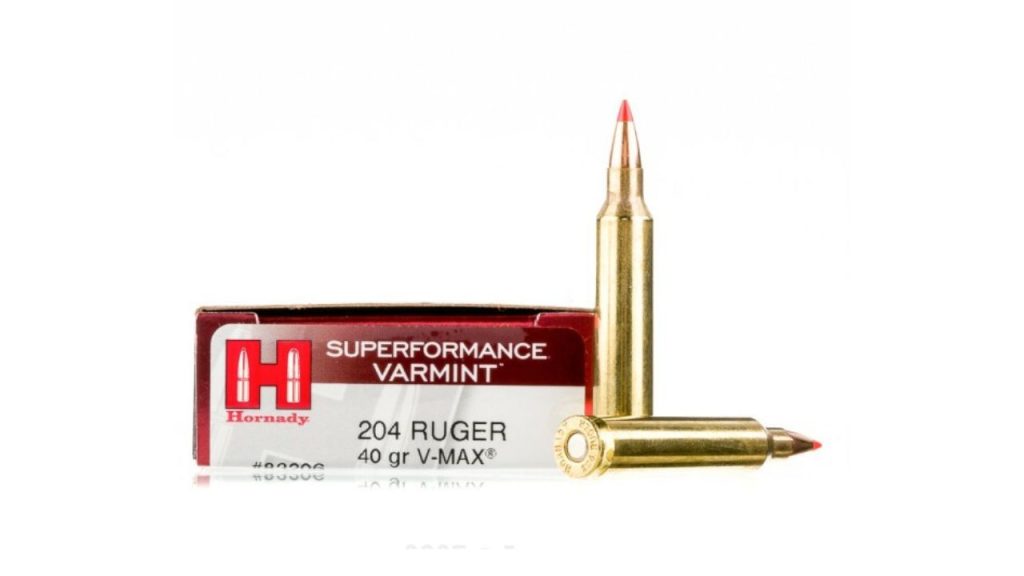
.204 Ruger sounds like a laser, and at short distances it often behaves that way. Problems start showing up as conditions get less controlled. Wind drift is unforgiving, and light bullets magnify every mistake you make behind the rifle.
Barrel life also takes a hit if you shoot it hard, which surprises people expecting a mild varmint round. When everything is calm, it can print tiny groups. When things aren’t perfect, it quickly reminds you how narrow its comfort zone really is.
.224 LBC
The .224 LBC has a technical name that implies precision and refinement. It does deliver in certain setups, but those setups aren’t forgiving. Chamber specs, brass quality, and load data all matter more than most shooters anticipate.
Without careful tuning, accuracy can be disappointing, especially compared to simpler alternatives that deliver similar performance. It’s a cartridge that rewards experience and patience, but it punishes shortcuts. If you’re expecting plug-and-play results, the name oversells how much work is involved.
.224 BOZ
.224 BOZ gained attention by association rather than performance. It sounded specialized and purpose-driven, which drew interest from shooters who wanted something different. In reality, the cartridge never matured into a practical option for most people.
Accuracy wasn’t its strong point, and ammo availability was always a problem. Once curiosity faded, there wasn’t much left to justify keeping rifles chambered for it. It’s a good example of how a compelling name can carry a cartridge further than its actual shooting results.
.277 Fury
.277 Fury sounds like it was designed for dominance, and its numbers are impressive under controlled conditions. The catch is that those results come with high pressure, heavy recoil, and expensive components. That combination makes consistent shooting harder than many expect.
Rifle weight and barrel wear become real considerations quickly. For most shooters, accuracy suffers once fatigue sets in. The cartridge can perform, but it demands discipline and resources that don’t line up with how most people actually shoot.

Leo’s been tracking game and tuning gear since he could stand upright. He’s sharp, driven, and knows how to keep things running when conditions turn.