California euthanizes bear after attack, raising questions about relocation decisions
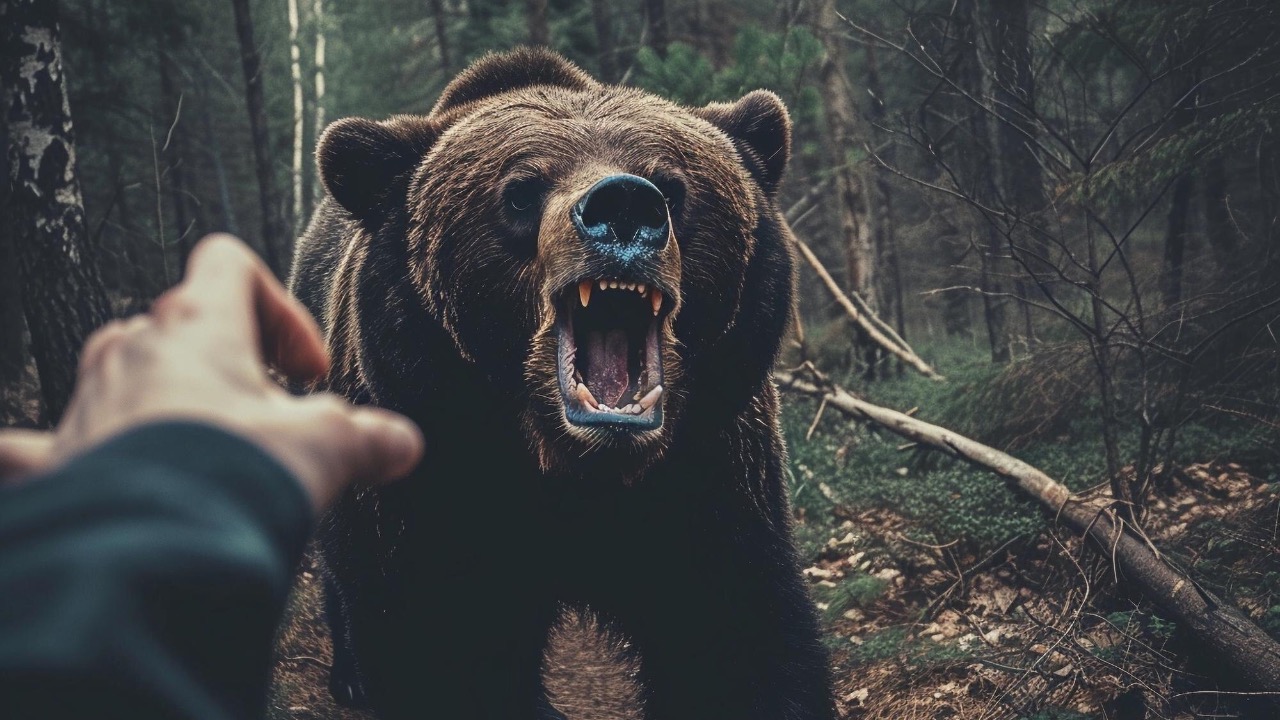
A mother black bear known to Monrovia residents as Blondie was euthanized after clawing a woman, and the decision has ignited a bitter fight over how California handles wild animals that grow comfortable around people. The killing of the well-known bear, whose two cubs were left behind, has turned a neighborhood’s grief into a statewide debate about when relocation is possible and when officials default to lethal force.
At the center of the controversy is a question that will only grow sharper as humans and wildlife crowd into the same spaces: when a bear like Blondie crosses a line, is death the only answer, or did the system fail to use the nonlethal options it claims to support?
What happened in Monrovia
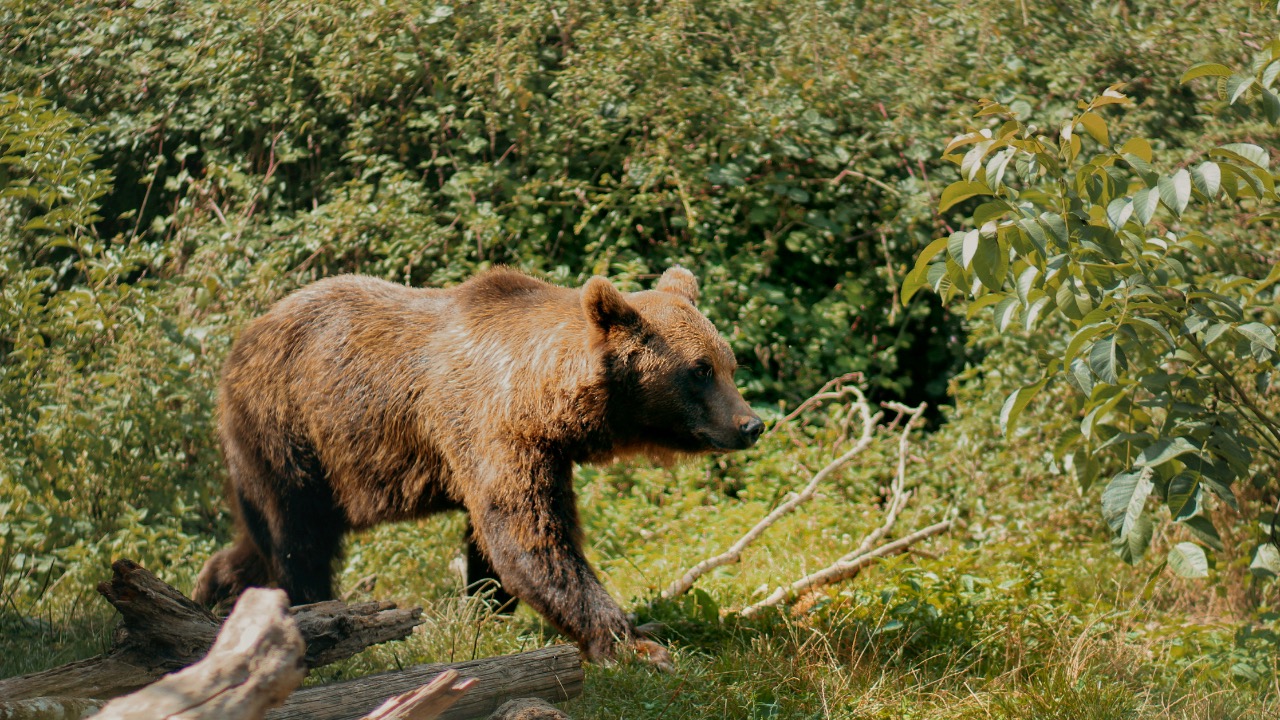
The conflict began when a Monrovia woman encountered a mother bear in her yard and was clawed during the brief struggle. State officials later identified the animal as a local favorite, Blondie, a light-colored mother black bear that had been seen on porches, in driveways, and in yards around the foothill city for years. Residents had grown used to seeing Blondie and her cubs wander through the neighborhood, often filming her calm presence near homes and sharing those images online.
After the injury, the California Department of Fish and Wildlife captured the bear and concluded she posed what they called a public safety risk. Officials then euthanized Blondie, a decision that immediately orphaned her two cubs and stunned residents who had come to see the bear as part of the community’s identity. The cubs were later captured separately and moved to a care facility, but they will grow up without their mother.
State wildlife staff later said DNA testing linked Blondie to an earlier encounter in which a man sitting on his porch was also clawed. That laboratory analysis, combined with the recent attack on the woman, convinced the agency that this individual bear had crossed a threshold from habituated to dangerous. To the people who watched her stroll peacefully past their homes, however, Blondie looked like the same animal they had known for years, not a predator that had suddenly turned on humans.
Why officials said Blondie had to die
California treats black bears as a protected native species, but it also classifies any individual bear that injures a person as a serious public safety concern. According to state policy, once a bear has attacked someone and then remains in close contact with neighborhoods, staff must weigh whether relocation would simply move the risk to another community. In Blondie’s case, the California Department of Fish and Wildlife pointed to the two separate clawing incidents and argued that a pattern had emerged.
Investigators used DNA analysis to match Blondie to both the porch encounter nine months earlier and the more recent attack on the woman. In their view, the same mother bear had injured two people in less than a year, which they interpreted as evidence that she had lost her fear of humans and might strike again. Once that conclusion was reached, officials said, the agency’s guidelines left little room for a different outcome.
State staff also argued that Blondie’s behavior could influence her offspring. In internal reasoning described by community members, the department suggested that allowing a bear that had clawed people to remain on the landscape would set a bad example for her cubs. That logic framed euthanasia not only as a response to past injuries but as a form of prevention aimed at future generations of bears that might copy their mother’s risky habits around humans.
A community that saw Blondie differently
Monrovia residents tell a very different story about Blondie’s character and what she represented. Neighbors had watched her raise litters of cubs near their homes and came to see her as a symbol of the city’s foothill setting. Many described her as calm and predictable, an animal that rummaged through trash or lounged in yards but did not seek out conflict. To them, the clawing incidents looked less like attacks and more like close encounters that spiraled when surprised humans and a protective mother bear collided.
Once they learned that the bear had been killed, neighbors gathered at vigils, left flowers, and shared videos that showed Blondie walking slowly across porches or resting in trees. One video tribute, shared through community honors, captured residents calling her a gentle presence and insisting that “Blondie did not deserve to die.” In their view, state officials ignored local knowledge about how the bear moved through the neighborhood and how people had learned to coexist with her.
On social media, neighbors described feeling blindsided by the speed of the decision. Some said they had expected a long evaluation and a serious look at relocation, not an immediate choice to put Blondie down. Others accused the state of treating the bear as a problem to remove rather than a shared responsibility that required changes in human behavior, such as better trash management and clearer guidance on what to do during a close encounter.
City leaders pushed for relocation, not death
The anger in Monrovia was not limited to residents. The Monrovia City Council had formally asked state officials to move Blondie and her cubs into the nearby Angeles National Forest instead of killing her. According to one account, Monrovia City Council lobbied for that option and saw the national forest as a logical home for a wild animal that had grown too comfortable in backyards.
City Manager Dylan Feik told residents in an online update that the mother bear, whom locals had nicknamed Blondie, was the same animal involved in both clawing incidents. He also explained that the city had argued for relocation but that the state agency ultimately rejected that plan. Feik’s message tried to balance empathy for the injured residents with the grief of those who felt they had lost a neighbor, even if that neighbor walked on four legs.
Local officials later described feeling sidelined in a process that left the final call to state staff. For them, the case highlighted a structural problem: cities that live with wildlife every day can advocate for nonlethal strategies, yet they do not control the outcome when a specific animal is labeled a public safety threat. That tension has now become part of a broader conversation about who gets to decide the fate of wild animals that cross into suburbs.
How state policy frames bear decisions
California manages its bear population under a statewide framework that tries to balance conservation with public safety. The California Department of Fish and Wildlife has published a black bear conservation that sets long term goals for the species and outlines how staff should respond to conflicts. The document emphasizes that black bears are an integral part of California’s ecosystems and that their numbers have grown in recent decades, especially in mountain and foothill regions.
Alongside that conservation focus, the plan describes a tiered approach to conflict that ranges from public education and habitat management to relocation and, in some cases, euthanasia. When a bear simply raids trash or wanders through neighborhoods, the preferred response is usually to change human behavior, such as securing garbage and removing attractants. When a bear repeatedly breaks into homes or injures people, however, the plan allows for lethal removal if staff conclude that the risk cannot be managed in other ways.
Blondie’s case landed at the hard edge of that framework. Her history of calm interactions with residents fit the picture of a habituated bear that had learned to live among people without constant conflict. Yet the two clawing incidents triggered the safety provisions that push officials toward euthanasia once an animal is seen as a repeat threat. The friction between those two narratives, friendly neighbor and documented risk, now defines the debate over whether the plan gives enough weight to relocation and community input.
What science says about black bears and conflict
American black bears are highly adaptable animals that can thrive in forests, chaparral, and even the edges of cities. In California, they occupy a wide range of habitats and have learned to exploit human food sources from garbage cans to fruit trees. Biologists note that most black bear encounters do not end in aggression. When conflicts occur, they often involve food conditioning, where an animal learns that yards, cars, or porches provide easy calories.
Studies across North America have found that relocation can work for some bears but not for all. Animals that have become strongly food conditioned sometimes travel long distances to return to familiar neighborhoods or quickly learn to find new human food sources. That pattern has led many agencies to treat relocation as a limited tool, most effective for young or less habituated bears that have not yet built a history of conflict.
In Blondie’s case, state officials argued that her long presence in Monrovia and her documented injuries to two people made her a poor candidate for relocation. Critics counter that the Angeles National Forest covers a large area and that with careful planning and monitoring, a move could have given her a second chance away from dense neighborhoods. The scientific debate over relocation success rates now intersects with emotional arguments about whether an individual animal’s personality and community role should influence the decision.
Public mourning and organized backlash
The days after Blondie’s death saw a wave of public mourning that went beyond private grief. Residents gathered in local parks to share stories and photos, and some carried signs that read “Justice for Blondie” and “Relocate, do not kill.” A video shared by Neighbors captured residents saying they were devastated by the decision and calling for changes in how similar cases are handled.
Local coverage described how people had come to see Blondie as more than wildlife. She was a familiar figure who, in the words of one account, brought a sense of connection and even comfort to those who watched her stroll through their streets. That emotional bond turned her death into a civic event, not just a wildlife management action. Some residents began organizing petitions and contacting elected officials to demand more transparency and a stronger presumption in favor of nonlethal options.
At a separate gathering, community members held a ceremony to honor Blondie and to speak out against what they viewed as an avoidable killing. The event, captured in community video, framed her as a victim of rigid policy rather than a rogue predator. Speakers there argued that the state should treat such bears as shared neighbors whose fate deserves a public process, not a quiet administrative decision.
State agency under fire
The California Department of Fish and Wildlife now finds itself under intense scrutiny. In one account, the department is described as having decided that Blondie posed a public safety risk and that allowing her to remain would set a bad example for her offspring. That description, linked through state officials kill, has become a focal point for criticism from residents who see the reasoning as speculative and overly punitive.

Leo’s been tracking game and tuning gear since he could stand upright. He’s sharp, driven, and knows how to keep things running when conditions turn.