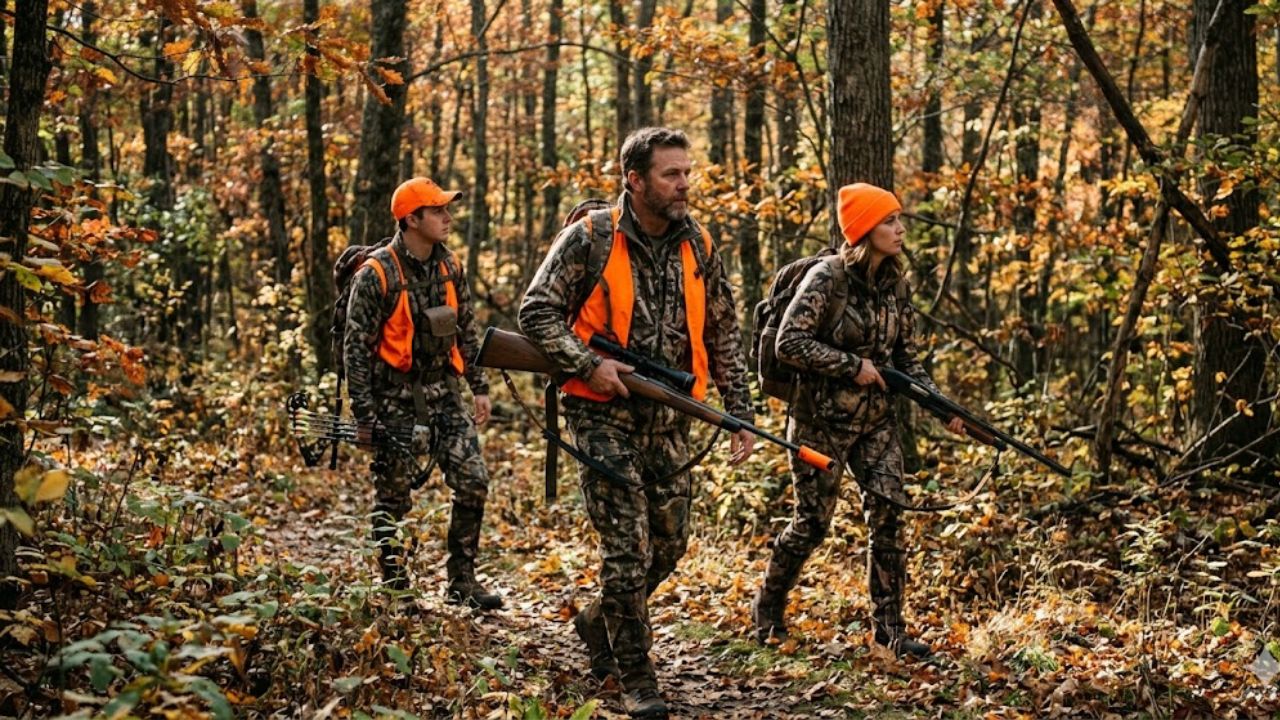
Colorado hunters exploit legal loophole to keep illegally killed animals by paying fine, officials warn
Concerns from wildlife officials in Colorado have sparked debate after claims that some penalties for illegal hunting may be too lenient, potentially allowing offenders to treat fines as a substitute for proper enforcement. The discussion has centered on whether the current system unintentionally reduces the deterrent effect of wildlife laws.
Officials say the issue isn’t that illegal hunting is permitted, but that in certain cases penalties may not be strong enough to prevent repeat violations. The concern is that when consequences are primarily financial, some individuals may see fines as an acceptable risk rather than a serious punishment. This has raised questions about how wildlife laws are applied and whether reforms are needed.
How wildlife penalties are supposed to work
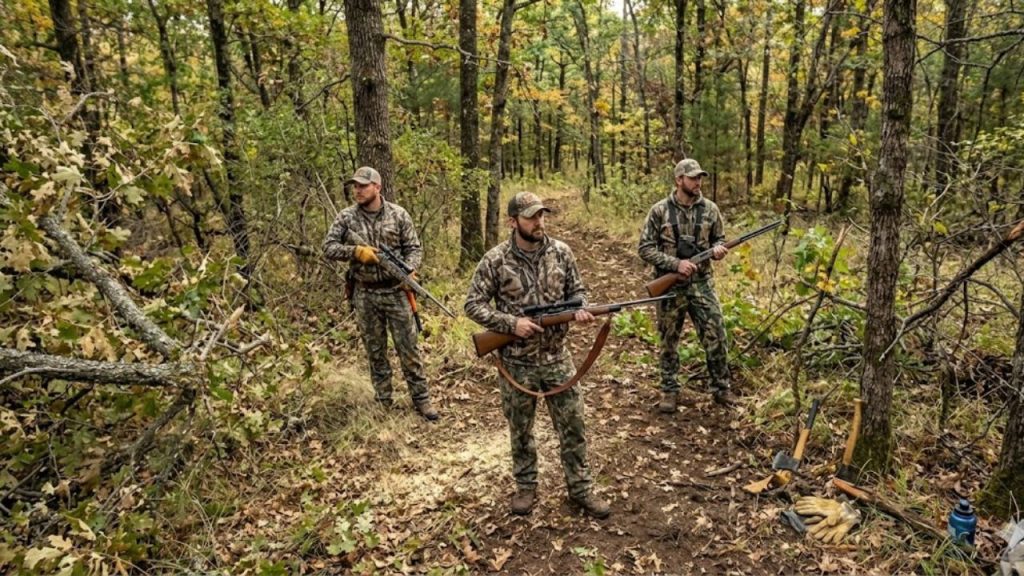
In Colorado, illegal hunting cases are handled by wildlife officers who investigate violations such as taking animals without tags, exceeding limits, or hunting outside legal seasons. When violations are confirmed, penalties can include fines, loss of hunting privileges, confiscation of equipment, and in more serious cases, criminal charges.
The system is designed to separate minor mistakes from intentional poaching. However, critics argue that the gap between a financial penalty and harsher consequences may not always reflect the severity of the offense, especially in cases involving valuable wildlife.
Why officials are raising concerns
Wildlife officials and conservation groups have expressed concern that some offenders may view fines as a manageable cost rather than a meaningful consequence. The argument is that if penalties are predictable or relatively low compared to the value of the animal taken, they may not deter future violations effectively.
This has led to calls for reviewing how penalties are structured, particularly in cases involving repeat offenders or high-value game species. The goal, according to officials, is not just punishment but ensuring compliance and protecting wildlife populations long term.
Debate among hunters and enforcement groups
Many legal hunters in Colorado strongly support strict enforcement against illegal hunting and agree that poaching undermines both conservation efforts and the hunting community’s reputation. At the same time, some argue that enforcement should be careful not to overcorrect in ways that punish minor errors too harshly.
This has created a divide in how people view potential reforms. Some want stronger penalties across the board, while others emphasize education and fair enforcement over harsher punishment systems.
What could happen next
At this point, the issue remains part of an ongoing policy discussion rather than an immediate legal change. Wildlife agencies regularly review enforcement data to determine whether current penalties are effective or need adjustment.
Future changes could include higher fines, expanded license suspensions, or stricter treatment of repeat violations. Any updates would likely go through public review and regulatory processes before being adopted.
For now, the debate reflects a broader question in wildlife management: how to ensure laws are strong enough to deter illegal activity while still maintaining fairness and trust within the hunting community.

Leo’s been tracking game and tuning gear since he could stand upright. He’s sharp, driven, and knows how to keep things running when conditions turn.