Concealed carry tips that make a real difference
Concealed carry only works when it is safe, consistent, and boringly reliable. The difference between a pistol that simply rides on your belt and one that is truly ready for a worst day comes down to habits, gear choices, and a willingness to practice the unglamorous details. I focus on the small, repeatable decisions that actually change outcomes, from how you dress in the morning to how you move through a crowded parking lot.
Build habits before you build speed
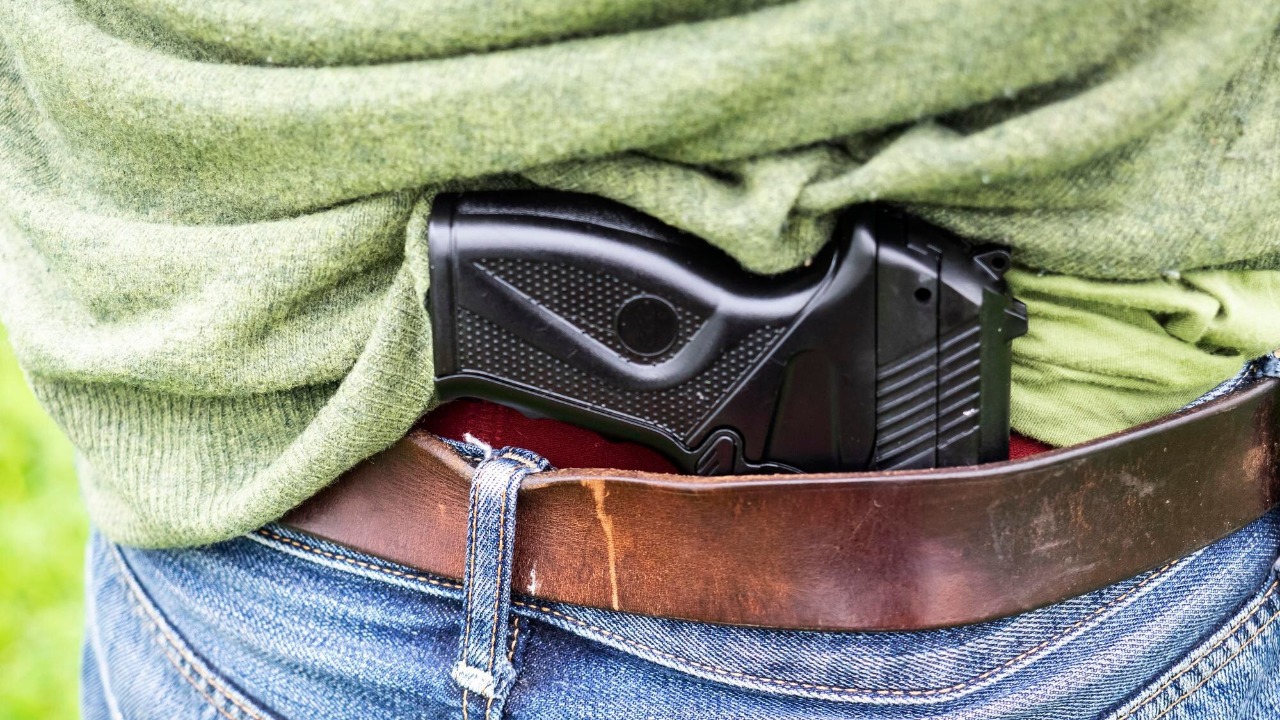
The most important shift I see in responsible carriers is mental, not mechanical. Instead of treating the gun as an accessory, they treat it as part of a daily routine that starts with a clear decision to carry and ends with secure storage at night. That mindset mirrors the advice to make a firm Step 1 commitment to Commit and Carry Every Day, because Carrying sporadically creates gaps in both skill and judgment that tend to show up under stress.
Good habits also mean refusing to shortcut safety rules just because the firearm is familiar. A detailed list of concealed carry safety concerns starts with the directive to Treat all guns as if they are loaded, verify condition personally, and control the muzzle at all times, even during mundane tasks like holstering or adjusting clothing. When those fundamentals are automatic, you can layer in more advanced skills without increasing risk.
Choose gear that actually conceals
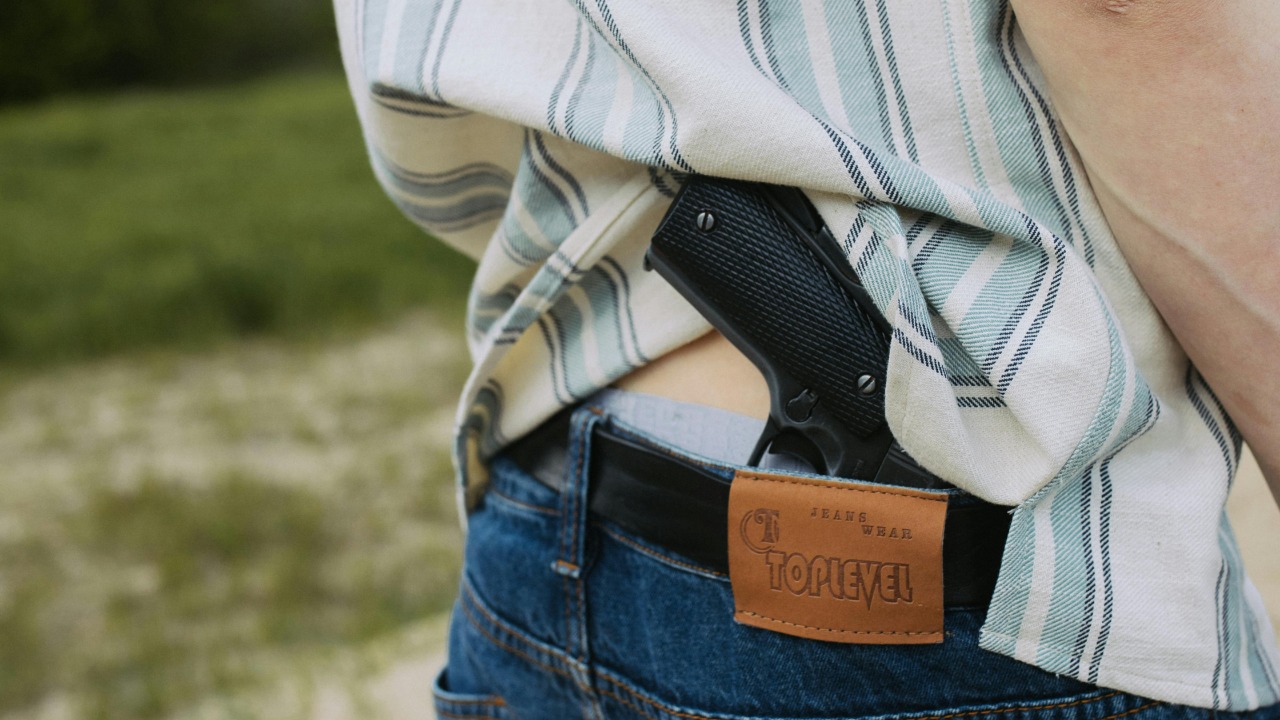
Most concealment problems are solved or created before you ever leave the house, at the moment you pick a holster and belt. The mechanics of hiding a pistol against the body depend on how the gun is rotated, how it tucks into the pelvis, and how the belt supports that pressure, which is why detailed Concealment Mechanics Illustrated guides put so much emphasis on ride height, cant, and wedge placement. When those elements are tuned, the gun prints less, digs less, and becomes easier to forget until you need it.
Comfort is not a luxury add-on, it is a precondition for carrying consistently. Advice on Mastering Comfort While Carrying Concealed starts with “Choose the Right Holster” for a reason, since a poorly designed rig will rub, pinch, or shift until you are tempted to leave the gun at home. A stiff, purpose built belt and a holster that fully covers the trigger guard, retains the firearm securely, and matches your body type will do more for real world readiness than any exotic accessory.
Dial in your carry position for access and safety
Where you place the gun on your body determines how quickly you can reach it, how safely you can reholster, and how well it stays hidden through daily movement. Before you start experimenting, it helps to think through how and where you are going to carry, because Accessibility is not optional in a defensive context. If you cannot reach the pistol while seated in a compact car or belted into a 2018 Honda Civic, the position is not working, no matter how well it hides under a hoodie.
Different positions also carry different risks and tradeoffs. Strong side hip carry may be slower under a winter coat but keeps the muzzle away from vital areas during holstering, while appendix carry can be faster and more concealable if you follow the kind of strict, step by step safety protocols laid out in detailed Daily Carry Routine breakdowns that test drawing while sitting, standing, and walking. Pocket carry, which is described as exactly what it sounds like in a broad Concealed carry 101 overview, can work with a dedicated pocket holster, but it demands discipline about keeping that pocket free of keys, coins, or anything that could snag the trigger if you bump into something.
Dress around the gun, not the other way around
Clothing is often the missing link between a theoretically good setup and one that actually disappears in public. The advice to wear the right clothes is not about fashion policing, it is about understanding how fabric weight, patterns, and fit affect printing. A slightly looser flannel, a darker color, or a broken up pattern can hide the outline of a compact pistol far better than a tight, light colored T shirt that clings to the grip every time you bend.
Professionals who live in uniforms or business attire have to be even more deliberate. Medical staff in hospital scrubs, for example, are advised to build Confidence in their setup by starting at home, simulating the full range of motions they perform on shift, and making adjustments before they ever step into a clinical setting. The same principle applies to office workers who carry under tucked dress shirts or in ankle rigs under slim fit suit pants: test your wardrobe in front of a mirror while you sit, stand, reach, and pick up a dropped pen, and be willing to size up or change cuts if the gun keeps printing.
Practice like you carry, and carry like you practice
Skill with a concealed handgun is perishable, and it erodes fastest in the exact areas that matter most under pressure: drawing from concealment, clearing cover garments, and getting a clean first shot without muzzling yourself or others. A detailed guide on Training and Practice stresses that proper instruction and regular range time are essential, but the real gains come when you practice with the exact gun, holster, and cover garment you use on the street. That means running live fire drills from concealment, not just from an open holster on a square range.
Dry practice fills in the gaps between range sessions and costs nothing but time. Community advice threads that urge carriers to Spend time dryfiring and Practice drawing from concealment with an unloaded weapon are not just internet lore, they reflect what experienced instructors see in classes. When you rehearse a safe, consistent draw stroke in your living room, you are building the neural pathways that let you move smoothly under stress, and you can do it while wearing the same jacket, belt, and holster you use in daily life.
Lock in a daily routine that keeps you in control
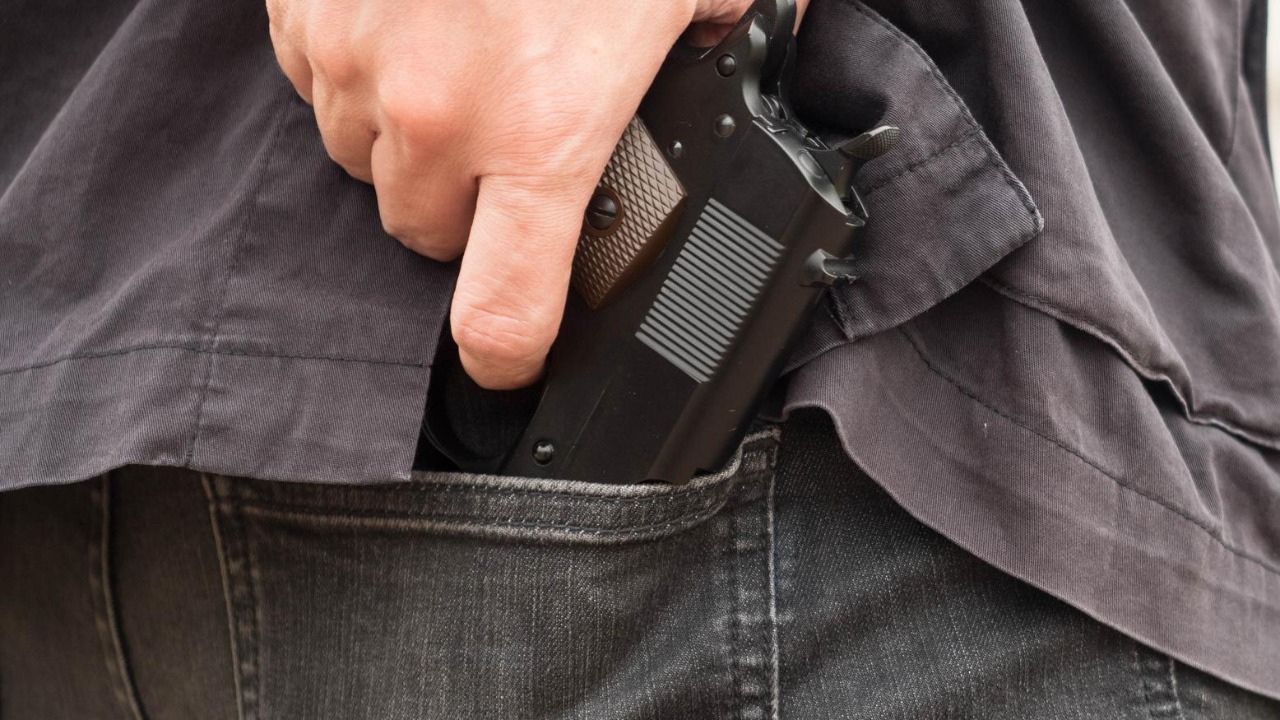
Consistency is what turns a pile of gear and good intentions into a defensive plan. A structured Daily Carry Routine typically starts with a quick function check, a deliberate loading process, and a final verification that the firearm is seated correctly in the holster before you leave the house. It continues with periodic, discreet checks during the day to confirm the gun has not shifted and the holster screws or clips remain tight, especially after physical activity or long drives.
At night, the same discipline should carry over into storage. Guidance that urges owners to Store firearms in a Liberty safe or dedicated handgun vault is not about marketing, it is about preventing unauthorized access when the gun is off your body. A simple ritual of unloading in a consistent, safe location, securing the firearm, and staging any home defense setup according to your local laws keeps the line clear between “on body and under my direct control” and “locked away and inaccessible to children or visitors.”
Invest in skills, not shortcuts
New carriers are often tempted to chase hardware solutions to software problems, swapping sights, triggers, or even entire pistols in search of confidence. The more effective path is usually to invest in instruction and repetitions until you are, as one training guide puts it, comfortable and in control with the gun you already own. That confidence shows up in smoother draws, cleaner reloads, and calmer decision making when something feels off in a parking lot or gas station.
Even the choice of firearm should be filtered through this lens. A detailed Proper training overview notes that whatever pistol you select, you need to carry and practice with it regularly at the range, not just shoot it once and let it gather dust. When you pair that commitment with the earlier advice to Carry Every Day, to Getting started SAFELY with sound concealment mechanics, and to Choose the Right Holster for long term comfort, you end up with a system that fades into the background of your life until the moment it matters most.

Leo’s been tracking game and tuning gear since he could stand upright. He’s sharp, driven, and knows how to keep things running when conditions turn.