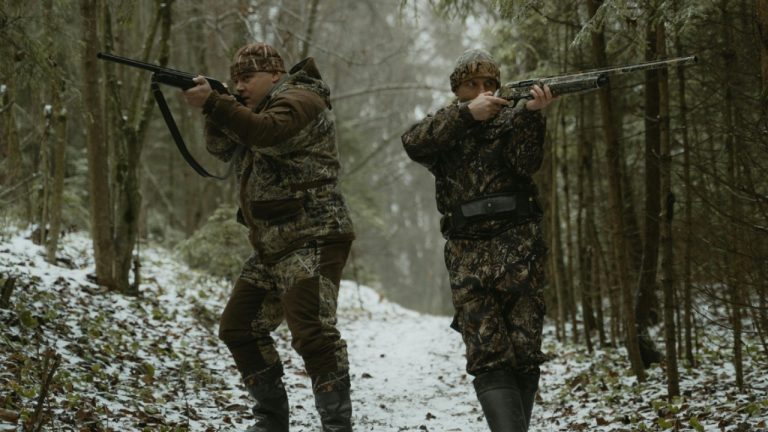
Costa Rica bans recreational hunting in major step to protect biodiversity and wildlife
Costa Rica stands as a leader in protecting its natural world, home to an outsized share of global species in a compact territory. You wander its trails and notice how the air hums with activity from monkeys overhead to frogs calling at dusk. The country’s long-standing prohibition on recreational hunting, first enacted in 2012 and spotlighted again early this year, forms a core part of that effort. Officials and advocates recently reminded everyone that the rule remains firm, countering online confusion about any fresh changes. It keeps wildlife off limits for sport or trophies while steering the nation toward viewing animals as living assets worth preserving for everyone.
Citizens pushed for the change
A broad public campaign gathered tens of thousands of signatures back in 2012, urging lawmakers to act. The result was a clear reform to the Wildlife Conservation Law that outlawed recreational pursuits once and for all. People from all walks of life stepped forward because they saw daily threats to local animals and wanted a firmer line drawn. This grassroots energy turned into national policy, setting Costa Rica apart as the first nation in Latin America to take such a step. You sense that collective will still at work today whenever guides talk about protecting the forests they know so well.
The law emerged from real conversations in communities where wildlife sightings mattered more than any hunt. Supporters argued that allowing casual killing undermined the ecosystems everyone relied on for clean water and healthy land. Lawmakers listened and crafted rules that prioritized long-term survival over short-term thrills. That foundation has held steady, even as the country faces new pressures from development and tourism growth. It shows how ordinary voices can shape lasting environmental decisions without fanfare.
The law draws firm lines
Recreational hunting for fun or trophies sits squarely outside what is permitted anywhere in the country. Only narrow cases qualify, such as subsistence needs in specific rural or Indigenous areas or scientific work backed by proper permits. Population control follows the same strict path, always requiring technical evidence rather than personal preference. You quickly learn that guides and rangers enforce these boundaries to prevent any slide back into old habits.
Anything marketed as a visitor experience or leisure activity falls under the ban without exception. The focus stays on keeping wild populations intact rather than turning them into targets. This setup gives authorities room to respond to genuine needs while shutting down casual or commercial killing. Over time, it has reduced pressure on species that once faced unregulated pursuit. The clarity helps locals and travelers alike understand where the line sits and why it stays there.
Wildlife gains breathing room
Costa Rica holds roughly five to six percent of the planet’s biodiversity despite covering less than one percent of its land. The ban helps shield animals like jaguars, scarlet macaws, and Baird’s tapirs from unnecessary harm. You notice the payoff in national parks where populations hold steady or recover because fewer threats interrupt their cycles. Protected areas already cover more than a quarter of the territory, and the hunting rule strengthens that network by removing one source of disruption.
Ecosystems stay more balanced when animals can move and breed without the added stress of sport pursuits. Forests, wetlands, and coastal zones all benefit as species play their natural roles in seed dispersal and pest control. The policy supports the country’s wider conservation goals by treating wildlife as part of the public good. Travelers often remark on the vibrancy they encounter, crediting these protections for the scenes that unfold around them.
Communities feel the difference
Local guides and lodge owners have shifted their work toward showing animals in their habitats rather than pursuing them. You meet families who once supplemented income through other means and now thrive on the steady flow of visitors drawn by healthy wildlife. The ban aligns with the rise of ecotourism, creating jobs that rely on observation instead of extraction. Rural areas gain from this model because intact forests support everything from pollination to flood prevention.
Indigenous groups and small settlements retain limited options for subsistence when needed, but the overall framework discourages broader exploitation. People report stronger connections to the land when they focus on stewardship over harvest. This shift has ripple effects in education and pride, as younger generations grow up seeing animals as neighbors rather than resources. The result feels grounded and practical for those who live closest to the forests.
Penalties keep the rules real
Violators face fines that can reach thousands of dollars along with possible prison time of up to three years, depending on the species and location involved. Equipment gets confiscated, and repeat offenses draw harsher scrutiny. You realize quickly that authorities take enforcement seriously, especially around protected zones where many species concentrate. The message lands clearly with both residents and international visitors who might otherwise test the boundaries.
These consequences send a consistent signal that the policy carries weight. Officials use them sparingly but effectively to deter illegal activity and wildlife trafficking. The approach has helped cut down on poaching incidents over the years while freeing up resources for monitoring and research. It reinforces trust in the system because everyone sees that the protections apply evenly. In practice, it lets the focus stay on positive outcomes rather than constant confrontation.

Asher was raised in the woods and on the water, and it shows. He’s logged more hours behind a rifle and under a heavy pack than most men twice his age.