DEA and Local Authorities Target Sinaloa-Linked Fentanyl Operation in LA’s MacArthur Park
In the bustling core of Los Angeles, MacArthur Park has long served as a gathering spot for families, vendors, and everyday folks seeking green space amid the city’s density. Yet over recent years, it also became ground zero for an open-air drug market fueled by fentanyl and methamphetamine. On May 6, federal agents from the Drug Enforcement Administration teamed up with Los Angeles police to hit that network hard in a sweep called Operation Free MacArthur Park. The action pulled in 18 people and took roughly 40 pounds of fentanyl off the streets, drugs traced back to Sinaloa cartel supply lines. You get a sense of how these operations cut through layers of street dealing and higher-level distribution when you look at the coordinated raids across multiple neighborhoods.
MacArthur Park’s Longstanding Challenges With Drug Activity
For years the park and its surrounding streets have drawn complaints from nearby residents and business owners about constant dealing and use. Northern sections fell under the influence of the 18th Street Gang, while other pockets saw activity from groups like the Crazy Riders and MS-13. You notice the pattern when you consider how fentanyl and meth moved openly along Alvarado Street, turning a public space into something far less welcoming. Local patrols tried to keep pace, but the volume kept growing as supplies flowed in from cartel sources.
Undercover work over several weeks revealed how dealers stashed product in nearby spots before handing it off to street-level sellers. The result left the area feeling tense for anyone passing through, whether on foot or just driving by. Families avoided certain paths, and the sense of safety eroded even during daylight hours. This backdrop set the stage for the larger push that finally brought heavier resources to bear on the problem.
Details of the Coordinated Law Enforcement Effort
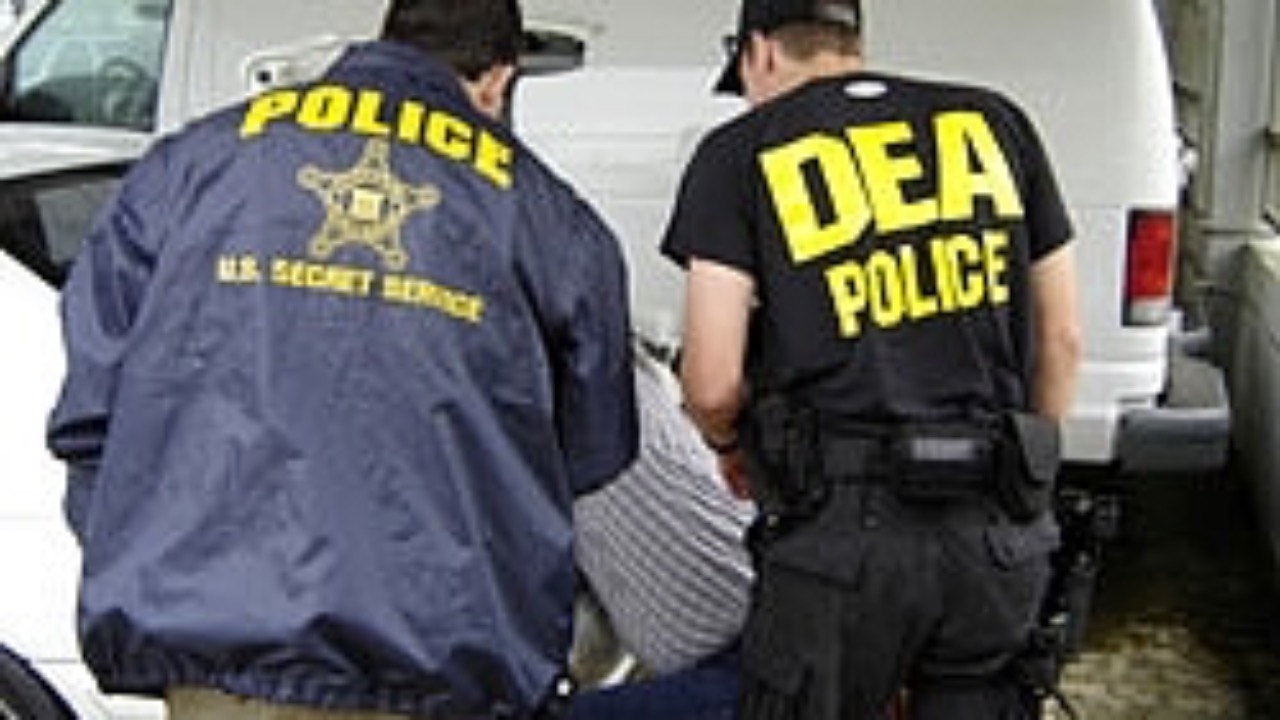
More than 300 agents from the DEA and LAPD moved in together after months of preparation. The Southern California Drug Task Force led the way, pulling in support from the High Intensity Drug Trafficking Area program. You see the scale when warrants went out to six businesses right by the park plus spots in South Los Angeles, Calabasas, and San Gabriel. The timing caught the network off guard on a Wednesday morning.
Agents executed the warrants quickly, focusing on both the people moving the product and the places they used to store it. The operation relied on close tracking of deals that happened between early March and mid-April. Evidence from those buys helped build the federal complaint that charged 25 people total, even if only 18 sat in custody right away. Seven others remained at large as the search continued.
The Arrests That Disrupted the Supply Chain
Among those taken in were two people authorities identified as the primary suppliers feeding the park’s market. A 31-year-old woman and her 28-year-old boyfriend from the Westmont area handled most of the fentanyl and meth that reached street dealers along the Alvarado Corridor. You realize their role when you learn how they moved product from their home base straight into the park area for distribution.
Other arrests included a 40-year-old woman from Calabasas and a 33-year-old street dealer from Exposition Park. The group faced federal charges for possession with intent to distribute. If convicted, the main figures could receive sentences ranging from ten years to life. The remaining defendants faced up to twenty years each. These takedowns aimed to break the chain at multiple levels rather than just picking up low-level sellers.
Seizing a Massive Fentanyl Supply From Key Locations
Investigators recovered close to 19 kilograms of fentanyl during the raids, much of it found at a single residence in Calabasas. Street value estimates placed the haul between eight and ten million dollars. You understand the weight of that number when you think about how many doses it represented and the lives it could have affected once cut and sold on the street.
The seizure also included methamphetamine, though exact amounts stayed focused on the fentanyl threat. Agents acted on information that tied the stash houses directly to the park’s open dealing. Removing that volume in one sweep sent a clear message about how seriously authorities now viewed the flow coming into Los Angeles neighborhoods. The drugs never reached the buyers who had come to rely on the park as a reliable source.
Connections Between Local Dealers and Cartel Networks
The operation traced the fentanyl back to Sinaloa cartel routes that feed much of the U.S. market. Local gang members did not operate alone; they answered to larger organizations that moved product across borders before handing it off for street distribution. You connect the dots when you look at how the 18th Street Gang controlled territory right around the park and used it as a sales hub.
Suppliers like the couple from South Los Angeles acted as middle links, receiving cartel shipments and breaking them down for the gangs to sell. This structure let the cartels stay removed from the daily risks while gangs handled the visible end of the business. The raid highlighted how those connections turned a single park into part of a much wider trafficking web.
The Role of Street Gangs in Controlling the Area
Gangs had carved up MacArthur Park into zones of influence for years. The 18th Street Gang ran the northern side, enforcing their hold through threats and steady drug sales. You see the territorial setup clearly when you map the blocks just west of downtown and note how different crews claimed sections near Wilshire Boulevard and beyond.
Homeless users and casual buyers became part of the daily scene, adding to the pressure on the surrounding community. Gang members used intimidation to keep control of prime dealing spots. The operation targeted that grip directly by going after both the suppliers and the local enforcers who protected the trade. Disrupting one part weakened the whole arrangement.
Statements From Officials on the Operation’s Success
Law enforcement leaders described the raids as a first step toward reclaiming the park for public use. The DEA’s Los Angeles chief called it one move in a longer effort to restore safety for everyone who lives nearby. You hear the determination in comments from the LAPD chief, who stressed that dealers operated with backing from gangs and cartels right in the city’s backyard.
The first assistant U.S. attorney pointed out the number of personnel involved and promised the work would continue. Los Angeles Mayor Karen Bass added her support, noting zero tolerance for those preying on the community through deadly drugs. Together the remarks framed the action as part of a broader commitment rather than a one-time event.
What This Means for Residents and the Community
People who live and work around MacArthur Park now have a chance to see the area shift back toward the gathering place it once was. You feel the potential change when you consider how families might return to the lawns without worrying about open dealing nearby. Businesses that stayed open through the worst periods could see more foot traffic from those who had stayed away.
The operation does not solve every issue overnight, but it removes a major source of fentanyl that had flooded the streets. Residents gain breathing room while authorities keep pressure on the remaining players. The hope centers on turning the park into a space where kids play and neighbors connect again, free from the shadow of cartel-linked trafficking.

Asher was raised in the woods and on the water, and it shows. He’s logged more hours behind a rifle and under a heavy pack than most men twice his age.