Declassified Documents Fuel Renewed Claims of Military Intelligence Coup in JFK Assassination as Conspiracy Theories Resurface
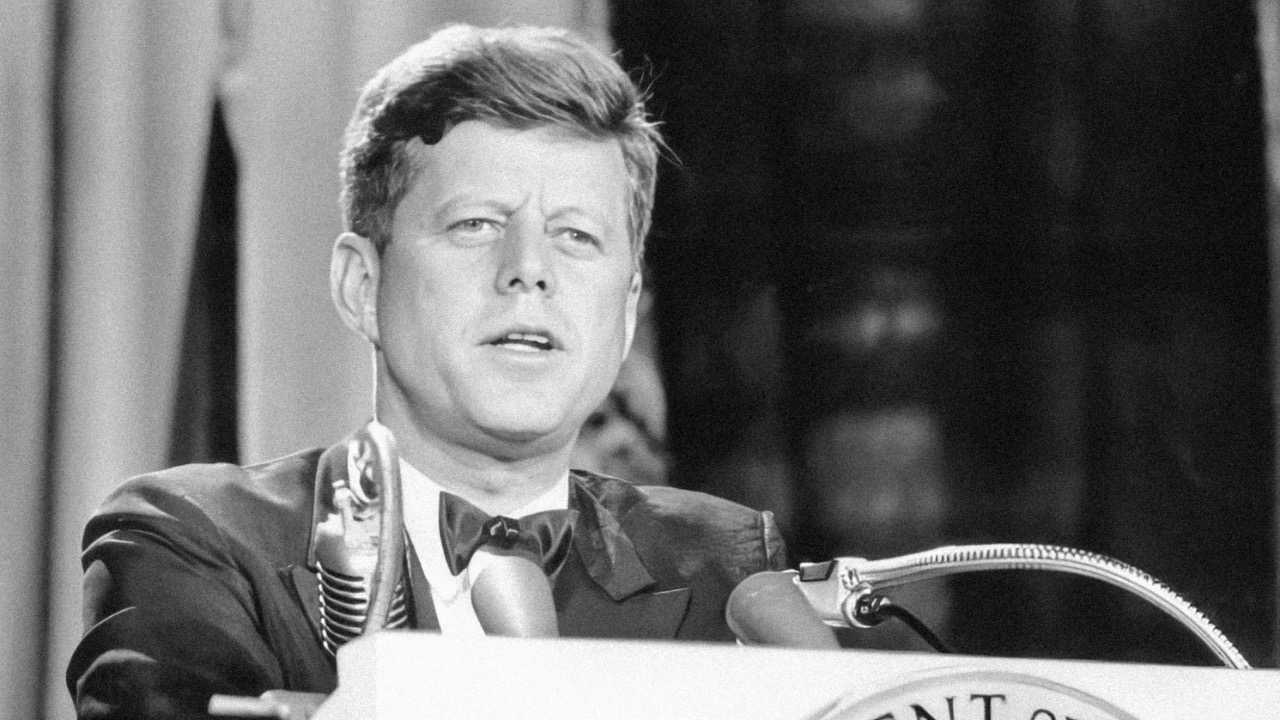
Newly declassified government documents have once again pulled attention back to long-running debates about the assassination of President John F. Kennedy. The files, which were released as part of ongoing archival transparency efforts, have been cited by some researchers and commentators as evidence that intelligence or military involvement theories deserve another look.
While the official conclusion that Lee Harvey Oswald acted alone has never been overturned, these documents have added fresh material for interpretation. As with previous releases, much of the content is fragmented, heavily redacted, or open to multiple readings, which has fueled renewed discussion rather than clear answers.
What the declassified files actually show
The recently released materials include internal communications, intelligence assessments, and historical surveillance records tied to the Cold War period. Some of the documents reference concerns within U.S. intelligence agencies about foreign influence and domestic security risks during the early 1960s.
However, none of the newly surfaced material directly confirms claims of a coordinated military or intelligence-led plot in the assassination itself. Instead, most of the content reflects the broader political tension of the era, including Cold War fears, counterintelligence operations, and internal government uncertainty following the event.
Why conspiracy theories are resurfacing
Conspiracy theories around the JFK assassination have persisted for decades, largely because of gaps in historical records, conflicting witness accounts, and the sheer scale of public interest in the case. Each new document release tends to reignite those discussions, especially online.
The latest wave of speculation has been amplified by social media and independent researchers who argue that inconsistencies in historical narratives still need explanation. Others caution that separating interpretation from verified evidence is difficult, especially when dealing with partially redacted archival material.
Official findings and long-standing conclusions
Despite ongoing debate, the official investigations into the assassination have consistently concluded that Lee Harvey Oswald acted alone. The Warren Commission report remains the primary government position, supported later by additional reviews that reaffirmed the same basic findings.
Over the years, some congressional inquiries have acknowledged that earlier investigations may not have fully addressed every question, but none have produced conclusive evidence of a broader conspiracy involving military intelligence. As a result, the official historical record has remained unchanged.
Why new document releases still matter
Even when they do not change the core conclusion, declassified documents continue to play an important role in public understanding of historical events. They provide more context about how government agencies operated during a highly tense period in U.S. history.
For researchers, historians, and the public, each release adds pieces to a larger puzzle, even if those pieces don’t fully resolve it. In the case of JFK, that ongoing flow of information is part of why the event remains one of the most heavily studied moments in modern American history.
Ongoing debate and public interest
The renewed attention highlights how strongly the JFK assassination still resonates in public discourse. More than six decades later, it continues to generate analysis, debate, and competing interpretations of the same set of historical facts.
As additional records are expected to be released over time, the conversation is likely to continue. For now, the latest documents add more context, but not a definitive shift in understanding — leaving the debate open, as it has been for generations.

Leo’s been tracking game and tuning gear since he could stand upright. He’s sharp, driven, and knows how to keep things running when conditions turn.