Deployment of Additional U.S. Fighter Jets to the Middle East Raises Concerns Over Potential Escalation With Iran
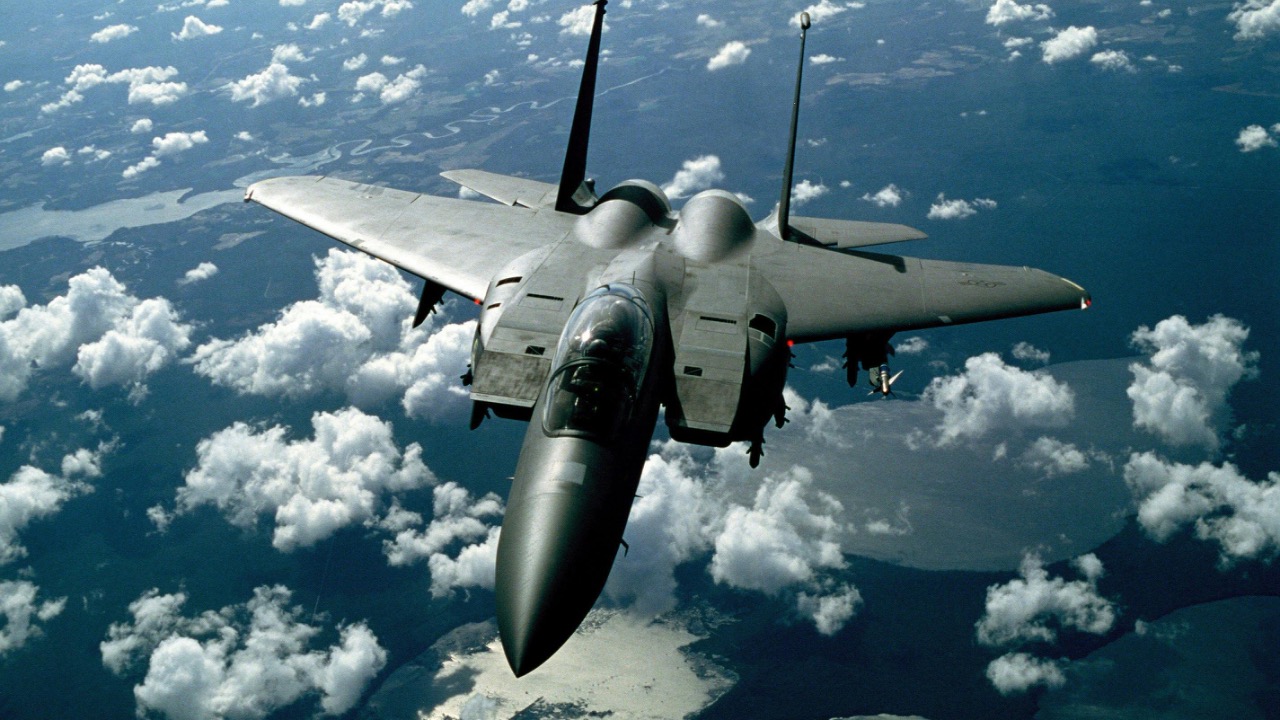
The United States has sent more fighter jets to bases across the Middle East in recent weeks, a step that comes as tensions with Iran remain high. You see these moves as part of a broader effort to keep pressure on Tehran while diplomatic talks continue on its nuclear program and regional influence. The deployments include advanced aircraft like F-35s and F-22s, alongside more familiar F-15s and F-16s, all shifting from bases in Europe and the United States.
This buildup reflects ongoing concerns about Iran’s ability to disrupt shipping lanes or support proxy groups that target American interests and allies. At the same time, it raises questions about how close the region sits to another round of direct confrontation. Officials describe the moves as necessary for deterrence, yet many observers worry they could make any miscalculation far more dangerous.
The Scale of the Airpower Buildup
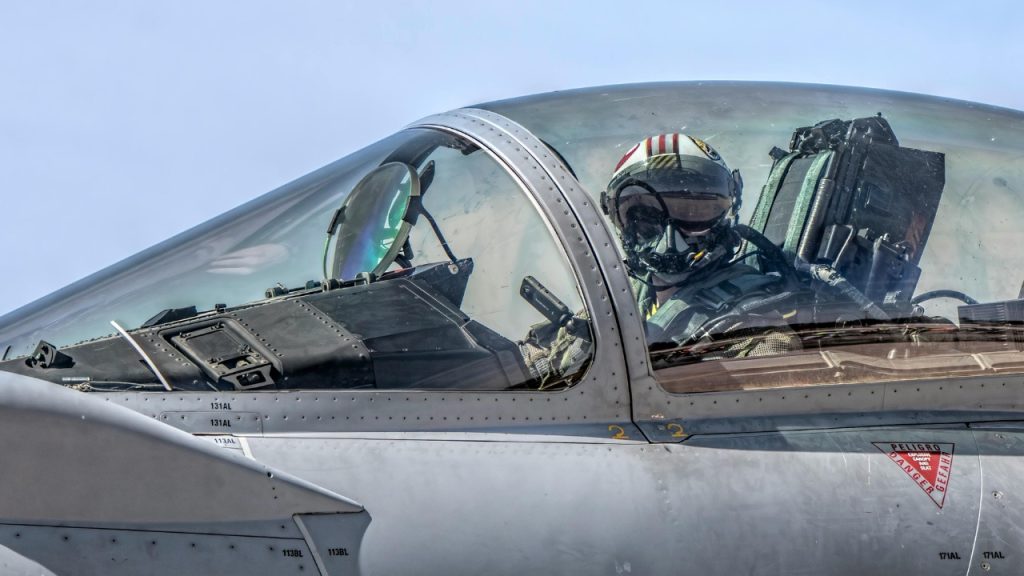
You notice the numbers add up quickly when flight trackers and open-source analysts follow the movements. Dozens of fighter jets have crossed the Atlantic or repositioned from European airfields, landing at sites in Jordan, Israel, and other Gulf locations. Support aircraft, including tankers for midair refueling, travel alongside them to keep operations sustained over long distances.
These planes bring capabilities for air superiority, precision strikes, and suppression of enemy defenses. Bases like Muwaffaq Salti in Jordan now host clusters of these aircraft, visible in satellite imagery. The presence signals readiness, but it also strains resources and requires careful coordination with host nations that balance their own relationships in the region.
Why Fighter Jets Matter in This Context
Fighter jets offer speed and flexibility that ground forces or naval assets alone cannot match in the early stages of any flare-up. You can use them to patrol contested airspace, escort bombers, or respond rapidly to threats against commercial shipping in the Strait of Hormuz. Advanced models bring stealth features that complicate Iran’s air defense calculations.
At the same time, their forward positioning makes them visible symbols of American commitment. Iran watches these arrivals closely and often responds with its own statements or military posturing. The aircraft serve both practical military roles and a larger signaling purpose in a region where perception shapes behavior as much as hardware does.
Iran’s Perspective on the Deployments
From Tehran’s viewpoint, the arrival of additional American jets looks like preparation for potential strikes rather than pure defense. Iranian officials point to past U.S. and Israeli actions against their facilities and argue that Washington seeks dominance rather than stability. They highlight their own missile and drone capabilities as a counterweight.
You see how this framing helps Iran rally domestic support and maintain ties with allied militias across Iraq, Syria, Lebanon, and Yemen. Public statements from Tehran often mix defiance with calls for negotiations, but the underlying message remains that any attack would bring costs for the United States and its partners in the Gulf.
Risks of Miscalculation and Escalation
When so much advanced weaponry sits in close proximity, the chance for an unintended clash grows. A single incident—whether an errant drone, a naval encounter, or a misinterpreted radar signal—could spiral quickly. Both sides maintain high alert levels, which leaves less room for calm assessment in the moment.
You consider how past episodes in the region have shown how rapidly events can outpace diplomacy. Communication channels exist, yet trust stays low. The added jets increase operational tempo, which in turn raises the odds that routine patrols or training flights could intersect with Iranian responses in unpredictable ways.
The Diplomatic Balancing Act
Talks between the United States and Iran continue on nuclear issues and sanctions relief, even as military assets flow into the theater. You watch negotiators try to find common ground while each side uses its leverage—Washington through force posture, Tehran through regional proxies and threats to oil routes. Progress remains uneven and often stalls over core disagreements.
The deployments do not halt these conversations, but they shape the atmosphere around them. Allies and partners in Europe and the Gulf weigh their own involvement carefully, urging restraint while privately welcoming the visible American presence as insurance against sudden Iranian moves.
Impact on Regional Allies and Stability
Gulf states and Israel monitor the American buildup with a mix of relief and caution. You recognize that many of these countries value the security umbrella yet fear becoming targets themselves if tensions boil over. Jordan and others host the aircraft, accepting the risks that come with closer alignment.
Longer term, the sustained presence of these jets affects everything from local airspace management to economic confidence. Shipping companies adjust routes, insurance rates fluctuate, and ordinary people in the region feel the weight of uncertainty. The goal may be deterrence, but the daily reality involves living with heightened readiness that touches daily life across borders.
Looking Ahead at Potential Outcomes
The coming months will test whether this show of airpower leads to de-escalation or sets the stage for something sharper. You see officials on all sides weighing costs against gains, with public statements oscillating between tough talk and hints of compromise. The fighter jets remain one visible piece in a larger puzzle that includes naval forces, ground support, and backchannel diplomacy.
In the end, the situation hinges on choices made in Washington, Tehran, and allied capitals. Additional deployments keep options open, yet they also narrow the margin for error. Observers across the region and beyond hope that calculation, not impulse, determines what happens next in a part of the world already familiar with the high price of conflict.

Asher was raised in the woods and on the water, and it shows. He’s logged more hours behind a rifle and under a heavy pack than most men twice his age.