
Draft concerns rise again — who is required to register and why it matters
Every few years, talk about the draft comes back around, usually tied to global tensions or political debate. It gets people asking the same questions: who actually has to register, what happens if you don’t, and whether any of it still matters today. The answers aren’t complicated, but they’re often misunderstood or passed around secondhand.
If you’re living in the U.S., this isn’t theoretical paperwork. It’s a legal requirement for some, and it can affect more parts of your life than you’d expect. Understanding how it works keeps you from getting blindsided later on.
Who Is Required to Register
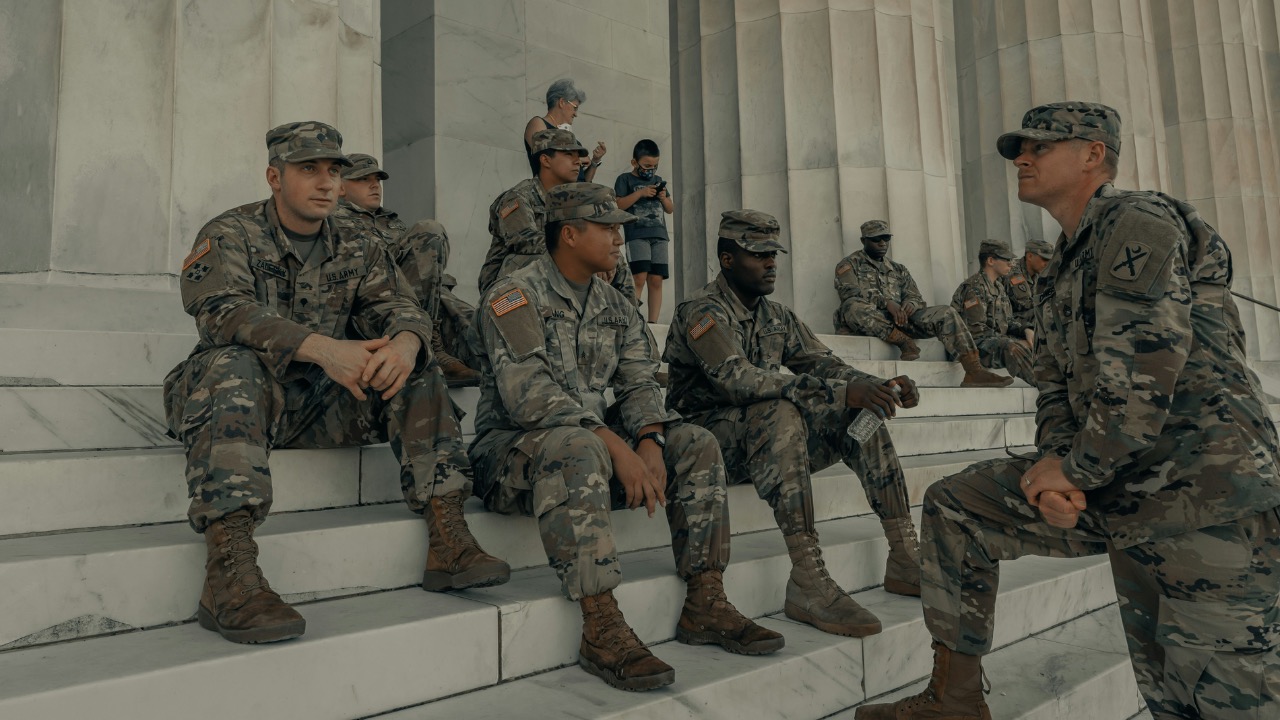
If you’re a male living in the United States, you’re required to register with the Selective Service when you turn 18. That applies whether you’re a citizen or an immigrant residing in the country, with only a few narrow exceptions.
You’ve got a short window to do it—within 30 days before or after your 18th birthday. It’s not automatic in every case, and assuming it’ll happen on its own is where people run into trouble. Even if you’re not thinking about military service, the requirement still stands.
Why Registration Still Exists
There hasn’t been an active draft since 1973, but the system remains in place as a contingency. The idea is to maintain a ready list in case Congress ever authorizes a draft during a national emergency.
From your perspective, it may feel outdated, but the government treats it as a preparedness measure. It’s not about immediate service—it’s about having a framework in place if things change quickly. That’s why registration hasn’t gone away, even decades after the last draft call.
What Happens If You Don’t Register
Skipping registration isn’t treated lightly. Failing to sign up can lead to penalties, including fines and potential legal consequences, though criminal prosecutions are rare.
Where it hits harder is in everyday life. You can lose access to federal student aid, certain job opportunities, and some state-level benefits. Even if enforcement isn’t aggressive, the long-term impact can follow you longer than expected, especially when applying for education or government work.
How It Affects Financial Aid and Jobs
One of the biggest surprises for people comes when they apply for federal student aid. Registration with Selective Service is tied directly to eligibility, and missing that step can block funding.
The same goes for certain federal and state jobs. If you’re looking at government employment, registration is often a requirement. It’s one of those things you don’t think about until it suddenly matters, and by then, fixing it can take time and paperwork.
Who Is Exempt from Registering
Not everyone is required to register. Individuals assigned female at birth are currently exempt under federal law, as are certain non-immigrant visa holders and those on active duty in the armed forces.
There are also specific cases involving institutionalization or severe disability that may qualify for exemption. That said, most men living in the U.S. between ages 18 and 25 fall under the requirement. If you’re unsure, it’s worth checking directly rather than assuming you don’t qualify.
What Registration Does—and Doesn’t Mean
Registering doesn’t mean you’re signing up to serve immediately. It doesn’t put you in the military, and it doesn’t commit you to anything beyond being listed in the system.
What it does mean is that your information is available if a draft were ever reinstated. That distinction matters. A lot of confusion comes from people assuming registration equals enlistment, which isn’t the case. It’s a standby measure, not an active obligation.
How the Draft Would Actually Work Today
If a draft were ever reinstated, it wouldn’t happen overnight. Congress would have to pass legislation, and the president would need to sign off before anything moved forward.
After that, a lottery system based on birth dates would determine the order of call. Even then, there would be medical evaluations, classifications, and possible deferments. It’s a layered process, not something that immediately pulls people into service without steps in between.
Why People Are Talking About It Again
Draft concerns tend to rise when global tensions increase or military conflicts dominate the news cycle. Even if there’s no immediate plan to reinstate it, public attention follows uncertainty.
For you, that means separating speculation from reality. The system is still in place, but activation would require significant legal and political steps. Staying informed helps you understand what’s actually happening instead of reacting to rumors that spread quickly online.

Asher was raised in the woods and on the water, and it shows. He’s logged more hours behind a rifle and under a heavy pack than most men twice his age.