Experts say climate and development are driving increased encounters
Across the country, more people are running into wild animals in places that used to feel safely “human.” From black bears nosing through trash in cul-de-sacs to deer grazing behind strip malls, experts say those encounters are not a fluke. They are the predictable result of a warming climate and relentless development squeezing animals and people into the same shrinking spaces.
As temperatures climb and new neighborhoods push deeper into fields and forests, both humans and wildlife are being forced to move, adapt, and overlap. I see that shift every season in the woods and suburbs I hunt and hike, and the science backs it up: encounters are getting more frequent, more complicated, and in some cases more dangerous.
Climate is reshaping where animals can live

Wild animals are not wandering into backyards because they suddenly like the view. They are following food, water, and tolerable temperatures as those basics shift under the pressure of a changing climate. Global assessments have found that Climate change is already affecting every region on Earth in multiple ways, and those changes are projected to intensify with additional warming, which means habitat lines that once held steady on a map are now sliding north, uphill, or vanishing altogether.
When snowpack melts earlier, droughts last longer, or coastal marshes drown under higher tides, the animals that depend on those conditions have two options: move or die. As species shift their ranges to keep pace with a warming Earth, they are running into new competitors, new prey, and very often, new human neighborhoods. That is why you are seeing species show up in counties and elevations where old-timers swear they never used to be.
Development is pulling Wildlife into our neighborhoods
Climate is only half the story. The other half is the way we keep carving up habitat with roads, subdivisions, and shopping centers, then acting surprised when animals use what is left. In New Jersey, for example, biologists and local officials have warned that Wildlife encounters will increase as development fragments forests and wetlands, and the town of Montclair even launched a survey to gather residents’ experiences while it hunted for budget cuts amid a fiscal crunch.
Those local warnings line up with what many of us see on the ground. As cul-de-sacs replace cornfields and second homes creep into timber country, deer, coyotes, and bears learn to navigate fences and sidewalks the same way we do. One New Jersey official put it bluntly, noting that animals are adapting to development “the same way we are,” a point backed up in the ENVIRONMENT reporting that tied those encounters directly to both climate and construction.
New animal encounters mean new disease risks
When species that used to stay apart start sharing the same trees, caves, and water holes, you are not only changing the food chain, you are changing the disease map. A major modeling study has warned that as warming reshapes habitats, new contacts between wild mammals will create fresh opportunities for viruses to jump between species, including into humans.
In that work, researchers found that Bats are likely to play an outsized role in future viral spread because they can fly long distances, tolerate a wide range of conditions, and carry a heavy load of viruses without getting sick. The analysis, which highlighted how Bats will have a large contribution to virus transmission between species, also underscored the need to strengthen health care infrastructure in the regions where those new encounters are most likely to happen.
Human migration is colliding with shifting wildlife ranges
It is not only animals on the move. As droughts, floods, and storms intensify, people are being pushed out of their homes and into new regions, where they meet both unfamiliar communities and unfamiliar wildlife. Detailed analysis of climate-linked migration has shown that climate change can interact with conflict, economics, and politics to drive people from rural areas into cities or across borders, and that those moves often follow the same river valleys and coasts that wildlife uses, a pattern laid out in an in-depth Q&A on how climate change drives human migration.
When families fleeing a failed harvest settle on the edge of a forest or wetland, they may clear land, gather firewood, or fish in places that were rarely disturbed before. That raises the odds of close contact with wildlife, from monkeys raiding crops to predators drawn to new livestock. The same Q&A noted that the aftermath of extreme weather can bring disease outbreaks and social stress, which means these new human–animal overlaps are happening in communities that are already stretched thin.
Local surveys are catching problems early
One encouraging shift is that more towns are starting to ask residents what they are seeing, instead of waiting for a serious incident. In New Jersey, officials in Montclair rolled out a survey to gather reports of bears, coyotes, and other animals at the same time the town was wrestling with a fiscal crisis and looking for budget cuts, a reminder that wildlife management is competing with every other line item.
Those survey responses help biologists map hot spots, spot patterns, and tailor outreach. If a cluster of complaints points to unsecured trash or backyard feeding, the fix might be as straightforward as new ordinances and better education. The New Jersey reporting on Wildlife encounters made it clear that these local data points are becoming a key tool for understanding how climate and development are changing daily life in suburbs that once felt far from the wild.
Social behavior in animals is changing too
While we focus on how often we see animals, there is another shift happening that is easier to miss: how often animals see each other. New research has found that Social interactions are essential for many species, helping them find food, spot predators, and choose mates, and that when those encounters break down, extinction risk can climb. A recent study on deer and chickadees showed that fewer social encounters can make it harder for animals to share information about danger or resources, which in turn can push small or isolated populations closer to collapse.
That work, highlighted in a Feb report on how fewer social encounters could raise extinction risk, argued that by understanding how often animals need to meet and mingle, scientists can better forecast which species are in trouble as habitats fragment. The researchers behind the Social study pointed out that the same forces driving more human–wildlife contact, like development and climate stress, can simultaneously reduce the healthy animal–animal contact that keeps populations resilient.
Hunters and anglers are on the front line of change
For those of us who spend a lot of time outside, the trend is not abstract. I have watched whitetails shift their bedding areas upslope after a string of warm winters and seen waterfowl hang farther north when freeze-up comes late. Those field observations match the broader picture that climate change is already affecting every region and that the changes we experience will increase with additional warming, as laid out in the global assessment.
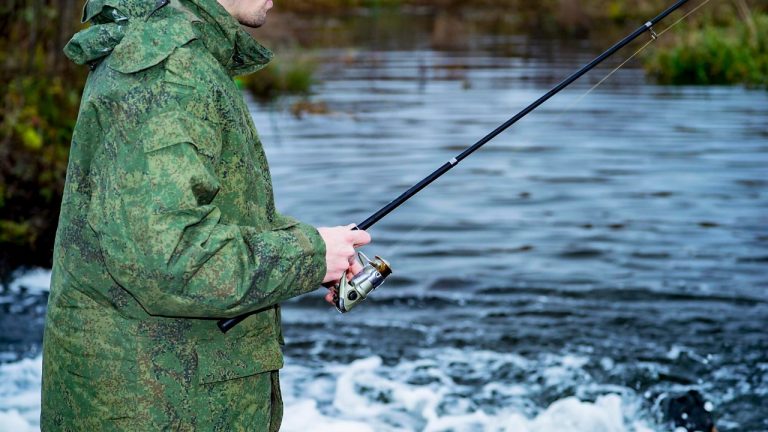
At the same time, more trail cameras are catching predators on the edges of subdivisions, and more anglers are finding warmwater species in lakes that used to favor trout. That puts hunters, anglers, and trappers in a unique position: we are often the first to notice when a species shows up where it did not used to be, or when an old pattern breaks. Sharing those observations with local biologists and participating in community surveys can help fill in the gaps between satellite data and on-the-ground reality.
Managing risk without losing the wild
As encounters increase, the easy reaction is to call for more lethal control or to push wildlife farther away. That might be necessary in some cases, but it is a blunt tool. The disease modeling work that flagged the role of Bats in future virus transmission also stressed the need to improve health care infrastructure and surveillance in high risk regions, rather than simply trying to eliminate animals that carry viruses, a point underscored in the modeling study.
On the ground, that translates into a mix of habitat planning, smarter development, and basic precautions. Keeping trash locked up, securing livestock, and avoiding hand feeding are simple steps that reduce conflict without stripping the wild out of a landscape. At the policy level, steering new construction away from key corridors and wetlands can give animals room to move without funneling them straight through backyards and schoolyards.
Living with more encounters in a warming world
The bottom line is that more run-ins with wild animals are baked into the way we are heating the planet and building across it. Climate change is pushing species into new territory, development is slicing up what is left, and human migration is adding another layer of movement and stress, as detailed in the climate migration analysis.
We can either pretend those trends are temporary, or we can adapt the way we build, hunt, and recreate to match the new reality. That means listening to the science, paying attention to what we see in the field, and treating every encounter, whether it is a bear on a trail cam or a chickadee at the feeder, as a reminder that our choices are reshaping the wild in real time.

Asher was raised in the woods and on the water, and it shows. He’s logged more hours behind a rifle and under a heavy pack than most men twice his age.