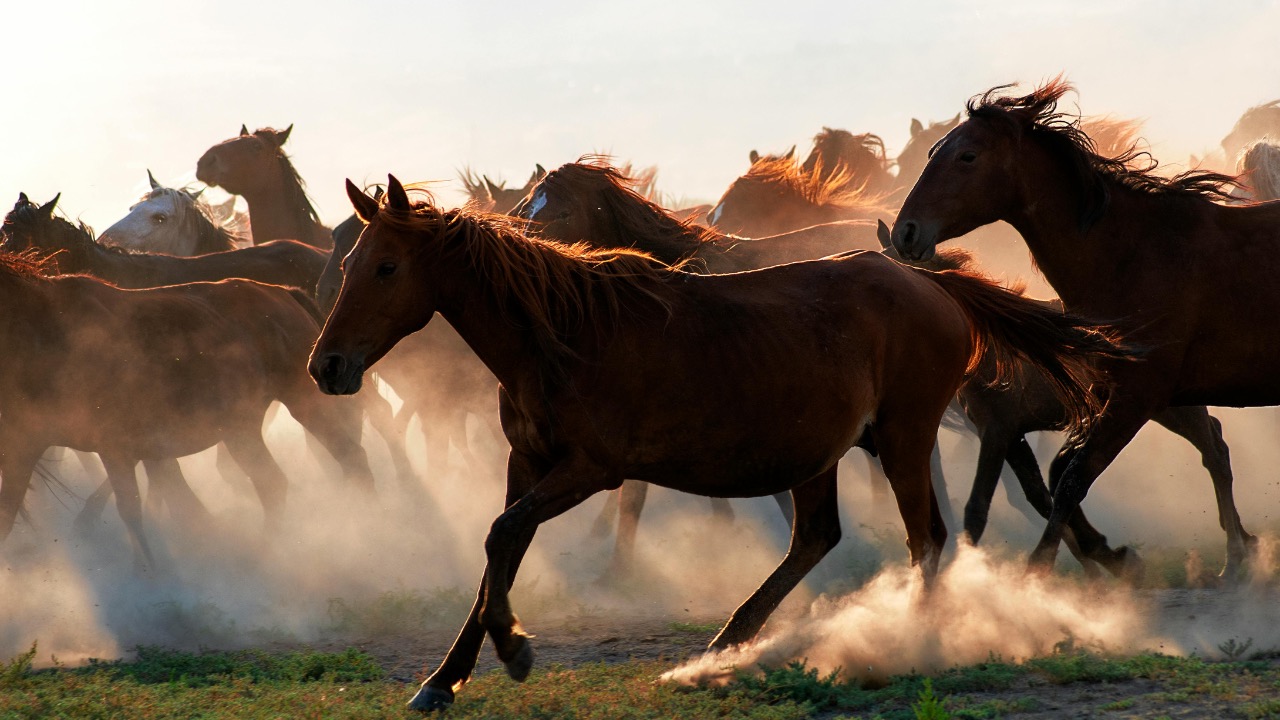
Feds plan to remove 14,000 wild horses in controversial roundup
Federal land managers are preparing one of the largest wild horse operations in recent memory, with plans to capture and remove 14,000 animals from public rangelands across the West. Supporters frame the effort as emergency triage in the face of drought, wildfire risk, and booming herd numbers. Opponents see a costly, inhumane strategy that deepens a management crisis instead of fixing it.
The dispute reaches far beyond horse advocates and ranchers, raising basic questions about how the United States values its remaining wild herds, how public lands are shared, and whether the current system can survive its own price tag.
What the 14,000 horse plan actually does
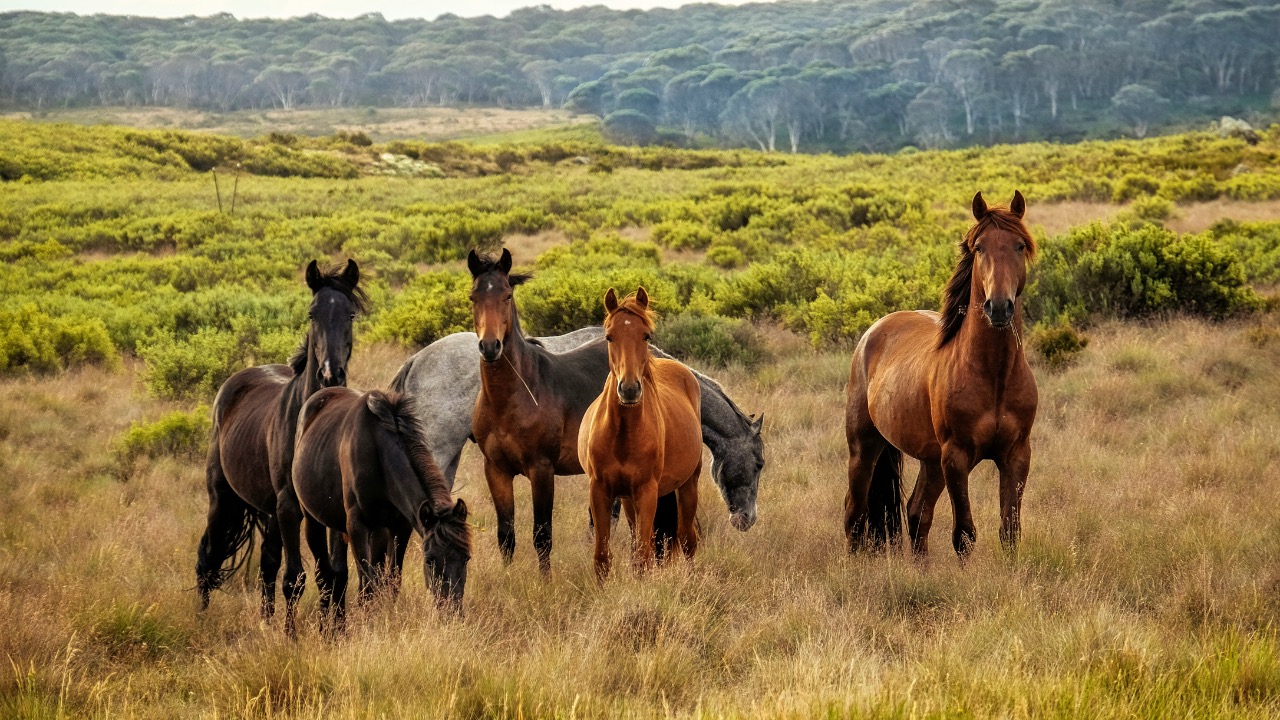
Federal officials intend to remove 14,000 wild horses from the Western U.S. over the coming summer and fall, targeting several herd management areas that stretch across the region. Reporting on the plan describes an operation that will rely heavily on helicopter roundups to drive horses into traps before they are shipped to off-range holding facilities.
In Colorado alone, the government aims to pull out 1,111 mustangs from rangeland, a figure that is part of the broader 14,000 target and that would send those horses into long-term pens for the rest of their lives. That Colorado component is expected to cost taxpayers millions of dollars in capture, transport, and lifetime care, according to coverage that highlights the scale of the 14,000 m removals.
Agencies justify the plan as a response to limited forage and water, along with concern that large herds can complicate wildfire response in already stressed landscapes. Officials also argue that current herd sizes far exceed population targets set for many management areas, so they see mass removals as the only way to get back to those thresholds.
Inside the helicopter roundups
The most controversial element is the method. The operation will lean on helicopters that fly low over the range to push bands of horses toward trap sites. Video from prior gathers in Nevada shows pilots maneuvering choppers behind galloping herds, sometimes using a single “Judas horse” to lead panicked animals into corrals, a practice highlighted in a widely shared roundup video.
Critics describe this technique as inherently stressful and dangerous, particularly for foals and older horses that struggle to keep up. Animal welfare groups point to prior incidents in which horses were injured or died after being run long distances at high speed. Supporters of helicopter gathers counter that the method allows managers to move large numbers quickly over difficult terrain and that contractors must follow federal protocols that are supposed to limit harm.
Colorado at the center of the fight
Colorado has become a flashpoint in the broader West-wide plan. Federal land managers want to remove 1,100 more wild horses from parts of western Colorado, citing a combination of wildfire risk, drought, and what they describe as deteriorating range conditions. Local reporting details how the agency links those 1,100 removals to concerns about forage and water in specific herd areas.
The same region has already seen contentious gathers in recent years, and the new proposal has revived tensions between Federal officials and Colorado leaders who have pushed for more humane, on-range management tools. One report on western Colorado notes that the planned 1,100 removals would come on top of earlier gathers that already reduced some herds and that communities remain divided over whether more captures will actually protect the land. The scope of the operation is laid out in coverage of western Colorado.
Advocates in the state argue that the focus on horses ignores the role of livestock grazing and energy development in degrading habitat. Ranching interests, in contrast, often see large herds as direct competitors for grass and water that cattle also depend on.
Costly holding pens and a growing price tag
Once removed, most wild horses do not return to the range. They are shipped to government pastures and corrals where they can live for decades, supported by public funds. According to one advocacy analysis, The BLM spent $101 million on holding in a single year, a figure that reflects how off-range care has become the dominant expense in the program. That same source stresses that the agency’s holding budget reached $101 million as more horses were funneled into long-term facilities.
Federal officials insist that adoption and sale programs help offset some of those costs, but placements have not kept pace with removals. As a result, the number of horses in holding has steadily climbed, locking the government into decades of feed and veterinary bills. Critics say the 14,000 horse plan will deepen that financial bind, because every new capture adds to a long-term liability that taxpayers must carry.
Advocates push fertility control instead of mass removals
Wild horse groups argue that the current strategy is both unsustainable and out of step with public sentiment. A coalition of more than 100 horse organizations signed a Statement of Principles and Recommendations that rejected large-scale roundups in favor of on-range fertility control and habitat-focused solutions. That document, cited in a detailed critique of mass removals, describes fertility control vaccines as the only scientifically proven method that can stabilize herds without sending tens of thousands of animals to holding, as outlined in the Statement of Principles.

Asher was raised in the woods and on the water, and it shows. He’s logged more hours behind a rifle and under a heavy pack than most men twice his age.