Fifteen states where wild hog damage is becoming impossible to ignore
Across much of the United States, wild hogs have shifted from a background nuisance to a front‑burner problem for farmers, land managers, and wildlife officials. Reports of rooting damage, crop losses, and torn‑up pastures are mounting in a band of states stretching from the Southeast to the Pacific, with some regions now treating feral swine as one of their most disruptive invasive animals. I set out to look at fifteen states where that damage is becoming impossible to ignore, and how local geography, agriculture, and policy choices are shaping the fight to contain it.
Researchers and agencies describe feral hogs as highly adaptable animals that thrive in warm climates, dense cover, and landscapes fragmented by farms and suburbs. They reproduce quickly, can live on everything from acorns to row crops, and are difficult to trap or hunt at scale, which is why specialists like Daniel Munch have framed the challenge in stark terms under labels such as The Pig Problem. As I move through the states most affected, a pattern emerges: the same traits that make these animals so successful are testing the limits of traditional wildlife management.
The southern core: Texas, Florida and Georgia
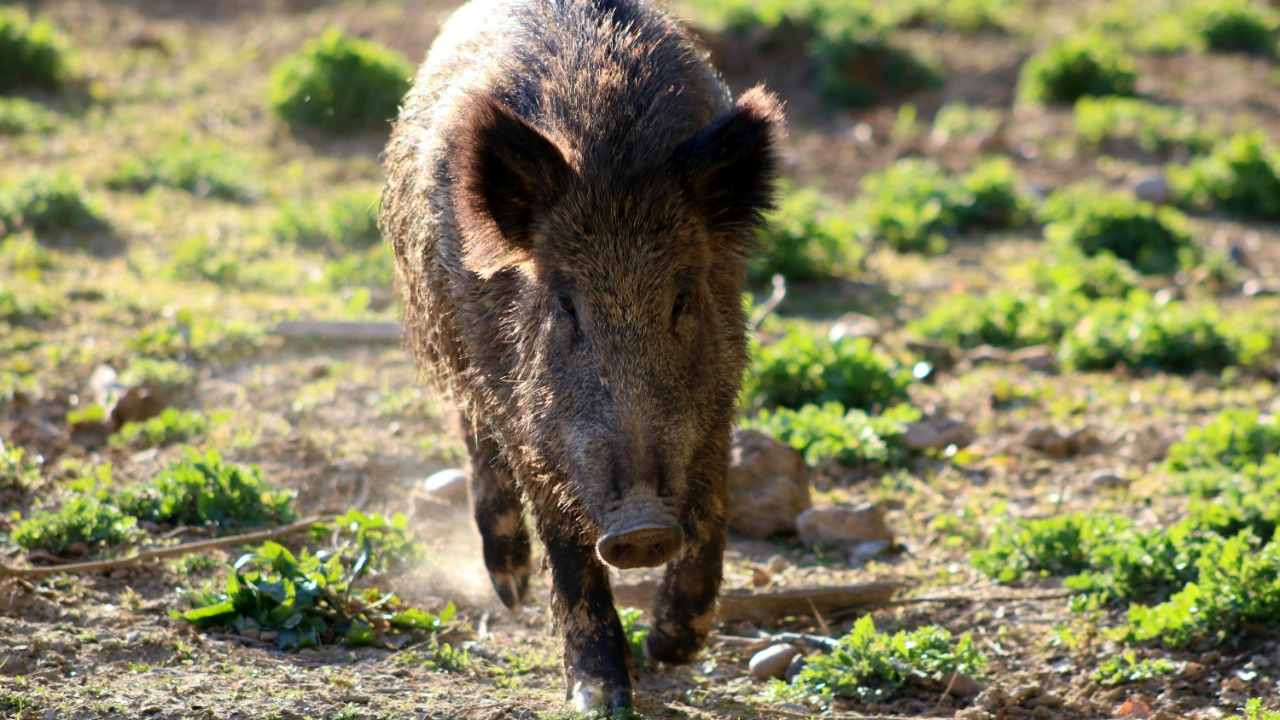
Any honest map of wild hog damage has to start with Texas, where a mix of vast rangelands, intensive agriculture, and mild winters has given feral swine room to expand. One analysis of Geographical Spread of reported a Number of feral hog reports reaching 2,425 and a Percentage of counties with hogs at 99.6%, a saturation level that leaves almost no rural community untouched. Researchers who have examined why Texas stands out describe the resulting Destruction to crops and fences as the worst feral hog problem in the country, a view echoed by wildlife managers who now rely on helicopters and large‑scale trapping to keep numbers in check.
On the Gulf and Atlantic coasts, Florida and Georgia are dealing with their own entrenched populations. A national review of which states are most impacted found that Florida, Georgia and generated the highest volume of feral hog reports, reflecting both long‑standing herds and growing suburban encounters. Agricultural economists tracking Feral hog losses note that Daniel Munch has highlighted how feral hog populations remain firmly rooted in the Southeast, with particularly high impacts in states like Georgia and Florida where row crops, timberlands, and wetlands give hogs both food and cover.
The Deep South belt: Alabama, Mississippi, Louisiana and Arkansas
Moving west from Georgia, the feral hog problem forms a continuous belt across Alabama, Mississippi, Louisiana and Arkansas, where hogs exploit river bottoms, pine plantations, and cattle pastures. A nationwide population review of States with the Highest Feral Hog lists Wild boar totals that place Alabama among the top tier, with one cited figure of 225,000 animals underscoring how deeply they are embedded in the landscape. In Louisiana and Arkansas, bottomland hardwoods and rice fields provide similar habitat, and landowners report hogs tearing through levees and irrigation systems in a single night.
Nowhere in this belt is the economic toll more visible than in Mississippi, where state officials have warned that feral swine are undermining both row crops and timber. A detailed account of how Wild Hogs Wreak quotes Agriculture and Commerce Commissioner Andy Gipson describing how damage to corn, soybeans, and hay fields is forcing producers to rethink planting decisions. Neighboring Louisiana and Arkansas have responded with coordinated trapping programs, but as one trapping‑system history notes, But now, wild hog damage has been reported in 35 states, including Hawaii, and the southern half of the country still has the fastest‑growing infestations.
Carolina lowlands and the creeping coastal problem
Farther east, the coastal plains of South Carolina and North Carolina have become quiet hotspots, where hogs slip between tidal marshes, pine forests, and farm fields. Wildlife staff in the region describe feral swine as Elusive and evasive, often leaving only churned soil and broken fences as evidence of their nighttime raids. A review focused on The Southeast notes that the region has long had the biggest and most expensive feral swine populations in the country, with state agriculture departments warning that rooting in ditches and wetlands can also spread disease and degrade water quality.
In North Carolina, the problem is particularly acute in low‑lying counties where hogs move between public game lands and private farms, complicating control efforts. South Carolina faces similar challenges along its river systems, where dense vegetation makes aerial surveys difficult and allows hogs to avoid hunters. As coastal development pushes farther into former swamps and forests, residents are encountering feral swine in new subdivisions and along highways, a shift that is forcing local governments to weigh public‑safety concerns alongside agricultural losses.
Expanding frontiers: Oklahoma, Missouri, Tennessee and New Mexico
Beyond the traditional Deep South, feral hogs are now firmly established in Oklahoma, Missouri, Tennessee and New Mexico, where they are testing the limits of existing wildlife laws. A ranking of the top 10 states with the largest wild pig populations highlights how quickly hogs have moved into the southern Great Plains and lower Midwest, taking advantage of mild winters and abundant grain. Another assessment of the states with the notes that Oklahoma has a very large population and has resorted to shooting hogs from helicopters to remove as many as possible from the skies.
In Missouri and Tennessee, forested hills and mixed farms provide ideal cover, and state agencies have moved to restrict recreational hog hunting that can inadvertently spread animals to new properties. New Mexico illustrates how western landscapes are not immune: in the desert Southwest, They are described as a destructive, invasive species that causes extensive damage to natural ecosystems, croplands, pastures, and livestock operations, with particular concern for small‑scale and subsistence farmers. As these states coordinate with federal programs, they are experimenting with everything from bounty payments to large corral traps to slow the spread.
Pacific and island outliers: California and Hawaii
On the Pacific coast, California has quietly become one of the most significant wild pig states, with herds established in oak woodlands, coastal ranges, and even vineyards. Population rankings that place California among the largest wild pig populations reflect decades of introductions for hunting and the animals’ ability to thrive in Mediterranean climates. Landowners in the Central Coast and Sierra foothills now report hogs uprooting grapevines, damaging irrigation lines, and competing with native deer and wild turkeys for acorns, while wildlife agencies debate how to balance hunting access with the need for aggressive control.
Thousands of miles away, Hawaii stands out as an island case study in how feral swine can reshape entire ecosystems. The same trapping‑system history that tracks continental spread notes that wild hog damage has been reported in 35 states, including Hawaii, where pigs contribute to erosion, spread invasive plants, and threaten native forest birds. Conservation groups on islands like Hawaii Island and Kauai have responded with fenced exclosures and intensive hunting, but the rugged terrain and cultural value of hunting make complete eradication unlikely. For mainland managers, Hawaii’s experience is a warning of how quickly feral swine can alter sensitive habitats when predators are scarce and vegetation is vulnerable.
Policy responses and the politics of control
As wild hog damage spreads, state legislatures are scrambling to catch up, sometimes in unexpected places. A recent overview of how states are working to limit feral swine notes that If Ohio passes a pending bill, bringing a wild pig into the state could result in a $500 fine, and the proposal would prohibit hunting of wild pigs in most circumstances to discourage people from importing them as a game species. That same review points out which states are most affected by feral hog sightings, reinforcing the picture that the heaviest burdens fall on the southern tier, including Texas, Florida and Georgia. For lawmakers, the challenge is to design rules that deter intentional releases without hampering legitimate control work by farmers and wildlife agencies.
At the federal level, scientists and managers have adopted stark language to describe the trajectory of feral swine, warning of a kind of feral swine crisis if populations are not reduced. A detailed explainer on why experts are worried notes that the hogs, which were introduced by early Spanish colonists, now occupy parts of 35 states and cause significant agricultural damage each year. Analysts like Daniel Munch have framed the issue as a national economic concern, while outdoor‑focused outlets such as The Avid Outdoorsman have highlighted the 15 US states where feral hogs are expanding fastest, a list that overlaps heavily with the states examined here.
Why these fifteen states matter next
Looking across these fifteen states, a few themes explain why wild hog damage has become so hard to ignore. First is geography: from the pine forests of Alabama to the rangelands of Texas and the vineyards of California, these landscapes offer food, water, and cover in close proximity. Second is land use: intensive agriculture in Mississippi, Louisiana and Arkansas creates a buffet of crops, while suburban growth in Florida and Georgia pushes people into closer contact with hog habitat. Third is policy: states that once promoted hog hunting as recreation are now, like Oklahoma and Missouri, rethinking whether that approach has unintentionally helped the animals spread.
Nationally, analysts tracking Highest hog numbers and the largest wild pig populations warn that the animals are now present as far north as Canada, and that the core problem states are a preview of what others could face. A national news explainer that asked Which states have the worst wild hog problem pointed again to Texas, Florida and Georgia, but the inclusion of states like Tennessee, New Mexico and California in population and damage tallies shows how wide the issue has spread. For policymakers, farmers, and hunters in these fifteen states, the message is clear: without coordinated, sustained control, wild hogs will keep turning fields, forests, and even suburbs into their own rooting grounds.

Leo’s been tracking game and tuning gear since he could stand upright. He’s sharp, driven, and knows how to keep things running when conditions turn.