Fishing mistakes that cost you bites all day
Most slow fishing days aren’t bad luck. They’re usually the result of small decisions stacking up over hours on the water. You can have the right rod, decent bait, and a good-looking spot and still miss fish all day because of habits you don’t even notice anymore. The best anglers I know aren’t flashy. They pay attention, adjust early, and stop doing things that clearly aren’t working. If you’re casting a lot and catching little, odds are one of these mistakes is quietly killing your chances. Clean a few of them up, and the difference can be immediate.
Fishing Too Fast When Fish Want It Slow

You can burn through water and never give a fish time to commit. Fast retrieves feel productive, but they often push neutral fish out of striking range. When conditions are tough, speed works against you more than it helps.
Good anglers slow down before frustration sets in. Longer pauses, softer rod movement, and letting a bait settle can turn lookers into biters. If you’re constantly moving your lure, fish don’t get a clean window to eat. Slowing down doesn’t mean doing less. It means giving fish enough time to decide your bait is worth the effort.
Ignoring Line Condition
Beat-up line costs fish long before it breaks. Coils, nicks, and abrasion ruin lure action and reduce sensitivity. You can make perfect casts and still miss bites if your line isn’t transmitting what’s happening.
Experienced anglers check line constantly, especially after snags or fish. Frayed sections dull feel and weaken hooksets. Dirty or waterlogged line also sinks or floats wrong, changing how a lure behaves. Fresh line isn’t about confidence—it’s about control. When your line works against you, bites get missed and hookups fall apart.
Sticking With One Bait Too Long
Confidence is good. Blind loyalty isn’t. Fish change behavior throughout the day, and a bait that worked yesterday can go ignored today.
You lose bites by refusing to adjust. Water temperature, light, and pressure all shift how fish react. Smart anglers rotate profiles, sizes, and colors until something triggers interest. This doesn’t mean constant switching, but it does mean paying attention. If you’re fishing an hour without feedback, you’re likely offering the wrong look. Fish won’t tell you politely—they’ll stay quiet.
Making Too Much Noise in Shallow Water
Sound carries fast in skinny water. Slamming hatches, heavy footsteps, or careless casts push fish off before you ever present a bait.
Good shallow-water anglers move deliberately. They keep gear organized and approach quietly. Fish may not see you, but they feel vibration instantly. When fish spook, they don’t leave forever—they just stop feeding. Quiet movement keeps fish comfortable enough to bite. Many slow days start with noise mistakes before the first cast ever hits the water.
Poor Hookset Timing
Setting too early pulls bait away. Setting too late lets fish spit it. Timing matters more than strength.
Good anglers feel the difference between pressure and a bite. They stay connected to the lure and let fish load the rod before driving the hook. Jerking at every tap ruins hookups, especially with soft plastics. Letting fish eat doesn’t mean waiting forever. It means staying calm and responding with purpose. Bad timing costs more fish than dull hooks ever will.
Fishing Where It’s Comfortable Instead of Where Fish Are
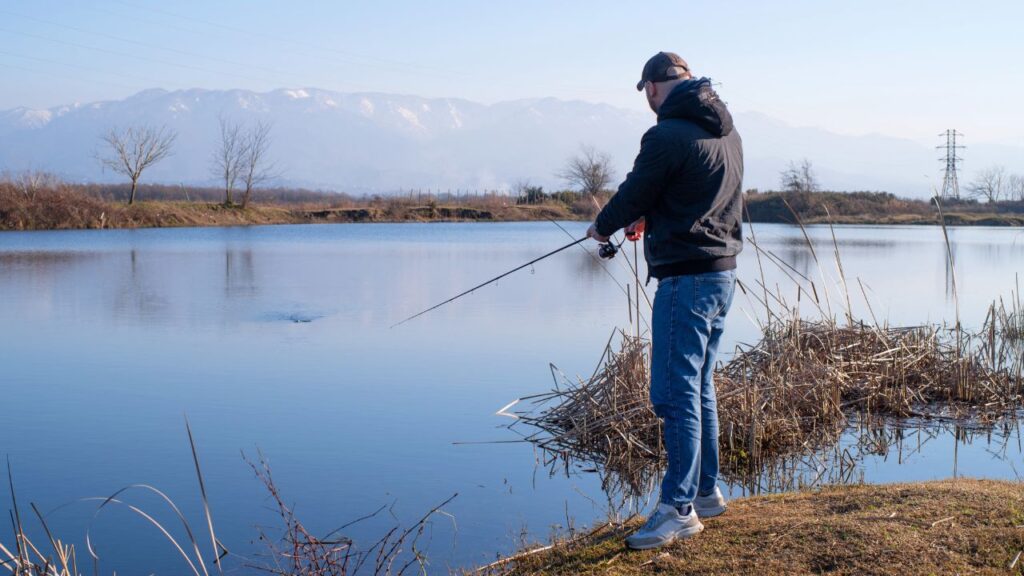
You can fish all day in a good-looking spot that holds no fish. Comfort spots are easy to reach, easy to cast, and often overfished.
Fish relate to conditions, not convenience. Current seams, cover edges, and depth changes matter more than shoreline access. Productive anglers reposition often and fish less obvious water. If you’re not adjusting location based on feedback, you’re hoping instead of fishing. Fish don’t reward comfort—they reward attention.
Ignoring Wind Direction
Wind positions bait and fish, but many anglers treat it like an inconvenience. Casting into the wrong side of structure wastes time.
Wind pushes plankton, baitfish, and oxygen. Fish follow that movement. The windblown side often holds more active fish, even when conditions feel rough. Skilled anglers use wind to their advantage, not against it. Fighting wind all day leads to poor presentations and sloppy casts. Working with it puts your bait where fish already want to be.
Using the Wrong Rod for the Job
A rod that doesn’t match your technique ruins hooksets and lure control. Too stiff or too soft both cost fish.
Rod action affects how a bait moves and how a hook penetrates. Treble-hook lures need forgiveness. Single hooks need backbone. Experienced anglers match rods to techniques, not convenience. When your rod fights the lure, fish feel resistance too early. Proper rod choice keeps fish pinned longer and improves landing ratios across the board.
Overworking a Spot
Fish don’t reset every five minutes. Hammering the same stretch without changing angle or depth shuts fish down.
Good anglers make a few quality passes, then move or adjust. Different casting angles, retrieve paths, and depths show fish something new. Standing in one place and repeating the same cast trains fish to ignore you. Movement and variation keep fish interested. When bites dry up, it’s often because the spot needs a break, not more casts.
Ignoring Water Clarity
Clear water and dirty water demand different approaches. Fishing the same way in both limits success.
In clear water, fish see everything. Long casts, lighter line, and subtle movement matter. In dirty water, vibration and profile rule. Skilled anglers adjust lure choice and presentation based on visibility. When clarity changes and your approach doesn’t, fish stop committing. Paying attention to water color keeps your bait noticeable without being unnatural.
Fishing at the Wrong Depth

You can be in the right area and still miss fish by fishing above or below them. Depth control matters more than location alone.
Fish feed in zones, not columns. Temperature, light, and oxygen dictate where they sit. Smart anglers adjust weight, retrieve speed, and lure type to stay in that zone. If you’re not contacting bottom, ticking cover, or counting down, you’re guessing. Guessing costs bites. Precision puts your bait where fish already live.
Letting Frustration Drive Decisions
Once frustration sets in, mistakes multiply. Casts get sloppy. Adjustments stop making sense.
Experienced anglers recognize bad headspace early. They slow down, simplify, and refocus on fundamentals. Rushing changes or forcing patterns rarely works. Calm decision-making keeps presentations clean and consistent. Fishing poorly because you’re irritated guarantees a long day. Staying steady doesn’t guarantee bites—but losing focus guarantees fewer chances when they come.
These mistakes don’t make you a bad angler. They make you human. Fix a few of them, and you’ll notice more bites without changing gear or chasing trends. That’s usually where the real improvement starts.

Asher was raised in the woods and on the water, and it shows. He’s logged more hours behind a rifle and under a heavy pack than most men twice his age.