Fishing Spots That Most Anglers Overlook
Most anglers pound the same community holes until the fish wise up or the bite dies. The real payoff usually sits a bend or two away, in water that looks a little awkward, a little out of the way, and often completely ignored. I have spent a lot of years sliding past crowded ramps and popular points to fish the “wrong” water, and the pattern is consistent: overlooked spots hold less pressure, more relaxed fish, and better quality bites.
Finding those places is not magic, it is a mindset and a set of habits. From forgotten creeks and clear mountain lakes to offshore structure and urban corners nobody respects, the anglers who consistently catch them are the ones willing to walk farther, idle longer, and study a map after everyone else has gone to bed.
Why Overlooked Water Outperforms Community Holes
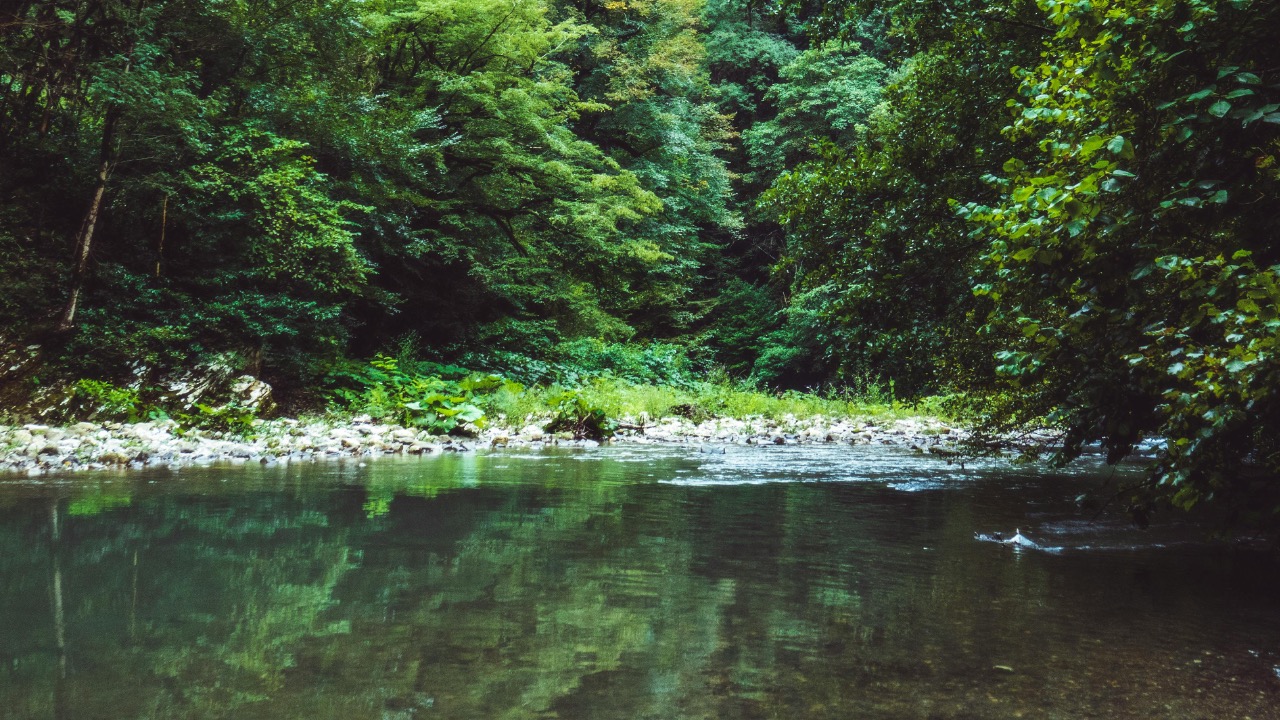
Fish respond to pressure, and pressure follows convenience. When every boat in the county rotates through the same obvious points and marinas, bass, walleye, and Trout slide off to secondary structure, feed at odd hours, or shut down altogether. Bank anglers see the same thing. As one bank fishing breakdown puts it, as a general rule the easier it is to access a bank spot or gain permission, the tougher the fishing will be, and putting in extra effort to avoid crowds will pay big dividends, a point that lines up with the way I have watched bites deteriorate on easy parking-lot ponds over the years from the bank.
Exploring unfamiliar areas does more than get you away from people, it changes the way you fish. When you push into new water, you slow down, pay attention, and read current, cover, and bait instead of running a script. One scouting guide notes that exploring unfamiliar areas may lead you to secret treasures with plenty of fish in a more tranquil setting, while also easing pressure on popular areas, which is exactly what happens when you stop racing to the same main-lake hump and start working that oddball channel swing nobody else bothers with by exploring.
Reading Maps And Electronics Like The Quiet Pros
The anglers who always seem to have a “secret” spot are usually doing their homework when everyone else is scrolling their phones. In one breakdown of how some anglers always find untouched water, the host walks through using contour lines to pinpoint subtle breaks, inside turns, and overlooked offshore structure, showing how those tiny squiggles on a map translate into ambush points that never see a cast from bank beaters or casual boaters Ever wonder. When you start treating your map like a treasure chart instead of a road atlas, you notice secondary points behind the main point, or a tiny saddle between two humps that lines up perfectly with the wind.
Electronics tell the same story if you know what you are looking at. One high‑percentage spot breakdown points out that if you see a small limb breaking the surface, there is probably an entire tree below the surface where you cannot see, and that kind of subtle cover often sits on otherwise featureless banks that most anglers idle right past a small limb. I have learned to mark every odd stick, shade line, or isolated rock I see on side‑scan, then circle back when the crowd has moved on; those one‑cast waypoints often outproduce the prettiest point on the lake.
Forgotten Creeks, Backwaters, And Small Rivers
Some of the best fishing in the country hides in creeks and small rivers that barely show up on tourism brochures. A place like Black Creek looks like a narrow ribbon of water on the map, but creeks like that often carry stained flow, laydowns, and undercut banks that big fish use as year‑round cover. When you pair that with the kind of “untitled” backroad access that shows up on satellite imagery more than on marina bulletin boards, you start to see why locals guard these stretches and why they stay off the radar for traveling anglers who never leave the main river channel Untitled.
Small rivers reward anglers who think beyond the obvious boat ramp. The Smith River, for example, is the kind of system where seams, boulder gardens, and deep bends can stack fish in tight quarters, yet most visiting anglers only sample the easy access points. When you study a map of a river like the Smith and then walk or paddle into the less convenient stretches, you find current breaks and shade lines that never see a lure, especially in those “untitled” side channels and feeder creeks that look too small to matter until you watch baitfish pile into them on a hot afternoon Untitled.
Clear, Deep Lakes Most People Write Off
Clear, deep lakes intimidate a lot of anglers, which is exactly why they are worth your time. Waldo Lake is a classic example of a high‑elevation, ultra‑clear lake that many people assume is too tough or too sterile to fish well. In reality, lakes like Waldo often hold quality trout and other cold‑water species that feed heavily at specific times of day, and the lack of shoreline development keeps pressure low. When you pair that with the kind of seasonal timing advice laid out in hidden‑water guides, which point out that the best times to visit secluded mountain lakes are often during the shoulder seasons when the crowds thin and the hillsides turn reds and golds of autumn, you start to see how much opportunity sits in these “too clear” waters Discoveri timing.
Deep, clear lakes also force you to fish vertically and think in three dimensions. When you treat a place like Waldo as a structure lake instead of a shoreline lake, you start hunting mid‑lake humps, steep breaks, and suspended bait schools. One overview of hidden lakes and rivers notes that from secluded mountain streams to hidden forest lakes, these waters offer a slice of paradise for any angler who is willing to adapt, and that mindset is exactly what turns a “tough” clear lake into a personal honey hole Discovering Hidden Lakes and Rivers. I have watched more than one angler write off a clear reservoir at noon, only to see the same water come alive with suspended fish on my graph an hour before dark.
Big‑Name Waters, Small Corners: Lake Of The Woods And Beyond
Even famous fisheries have corners that might as well be off the map. Lake of the Woods is widely known, but it is so vast and broken up by islands and reefs that most visiting anglers only touch a fraction of it. One rundown of underrated spots points out that it is not difficult to understand why Lake of the Woods is considered one of the top fishing sites in the Midwest, with a huge variety of structure and fresh fish to catch, which also means there are endless pockets, saddles, and back bays that never see a cast from the crowd running the same milk run every year Lake of the Woods Midwest.
The same pattern shows up on big rivers. The Upper Delaware River stretches 73 miles and runs through water that anglers from both New York and Pennsylvania can reach, yet most of the pressure piles into the most publicized access points. When you start looking for side channels, island cuts, and long, boring banks that everyone floats past, you find fish that behave like they have never seen a fly or lure. I have had some of my best days on big‑name systems by intentionally fishing the “wrong” side of the river, or by targeting mid‑river seams that do not have a single obvious landmark.
Saltwater Backroads: Forgotten Bays And Working Harbors
Saltwater anglers fall into the same habits as freshwater folks, racing to the jetties and nearshore reefs while ignoring the quieter corners of the map. The Apalachicola area in Florida, for example, is known for its bay and river system, but the real magic often happens in the smaller cuts, marsh drains, and oyster bars that sit a little farther from the main channels. When you study the layout around Apalachicola, you see how many little pockets of current and shell bottom exist away from the obvious passes, and those are the places where redfish and trout can feed without dodging boat wakes all day.
Offshore, the same “off the beaten path” rule applies. One look at far‑flung destinations like The Seyc shows how charters run daily to deep reefs and blue‑water rigs for yellowfin and billfish, yet even there, the less obvious humps and current edges away from the fleet often hold the least pressured fish. You do not have to travel that far to apply the lesson. On any coastal system, the working harbors, dredge holes, and forgotten spoil islands that do not make the glossy brochures can fish circles around the community reef when the tide and wind line up.
Trout In “Wrong” Water And Other Species Myths
One of the biggest mistakes I see is anglers deciding where a species “should” be and then refusing to fish anywhere else. Trout are a perfect example. A breakdown of unlikely trout spots points out that Trout will make their way into shallow waters that many anglers ignore, especially when they are feeding, and that you can often find them in ankle‑deep riffles that most people step through or wade past without a second thought In shallow water. I have watched big browns slide into skinny side channels at dusk, tight to grass edges that look more like chub water than a trout lie.
The same myth‑busting applies to warm‑water species. A list of secret fishing spots calls out places like The Clark Fork of the Columbia near Deer Lodge, Montana, noting how that stream’s headwaters and surrounding country offer far more than the postcard stretches everyone photographs, and that Here are the top ten spots is really a reminder that overlooked runs and side channels can be as productive as the famous pools Here and The Clark Fork. Once you stop assuming that small, off‑color, or oddly structured water is “wrong” for your target species, you start finding fish in places that never make the guidebooks.
Bank Anglers, Winter Patterns, And The Edges Everyone Walks Past
Bank anglers often feel boxed in, but the same overlooked‑water rules apply. One bank‑fishing breakdown stresses that the harder it is to reach a spot, the better it usually fishes, which means climbing a fence with permission, bushwhacking a little farther, or wading to a mid‑lake bar instead of camping on the picnic‑area point bank fishing rule. I have caught some of my biggest bass within sight of busy parks simply by walking around the corner to the ugly, brushy bank nobody wants to fish.
Seasonal patterns create their own blind spots. In a winter tactics breakdown, the host notes that while there are still anglers fishing down the bank in the wintertime, most of the anglers he sees are out in the middle, which leaves a lot of productive shallow cover untouched when the sun warms it for a few hours Jan winter. Another angler in an Intuitive Angling segment from Oct talks about how locating secret fishing spots other anglers always miss often comes down to recognizing those seasonal windows when fish slide shallow or push into odd corners for a short bite window, then being willing to fish “wrong” while everyone else follows the calendar instead of the conditions Intuitive Angling.
Keeping Quiet Spots Quiet: How Serious Anglers Find And Protect Them
Every serious angler I know has a few places they do not talk about, and there is a reason for that. One short breakdown on finding a secret fishing spot from Oct lays it out plainly, describing how one way to do this is to identify areas that are sort of like a secret area, off the main traffic lanes, and then keep the details close so they do not turn into the next community hole overnight Finding A Secret Fishing Spot. I have learned to share patterns, not pins, and to be vague about exact locations when a buddy asks where that big fish came from.
Travel can open up a whole new category of quiet water. A look at why American anglers should go on Canada fishing trips notes that Many premier fishing spots are far from urban areas, offering a peaceful break from the hustle and bustle and increasing the likelihood of landing a trophy‑sized fish Many premier fishing spots. Whether you are running to a fly‑in lake or hiking into a high‑country pond, the principle is the same: the farther you get from the road and the marina, the more likely you are to find fish that behave like fish instead of survivors.
Building Your Own List Of Overlooked Spots
At some point, you have to stop reading about secret water and start building your own list. One guide to hidden lakes and rivers points out that from secluded mountain streams to hidden forest lakes, anglers are really just scratching the surface of what is available, and that mindset is the right one to carry to your home water hidden lakes and rivers. Start with maps, then layer in what you see on the water: odd current seams, isolated cover, or bait activity in places that do not match the crowd’s pattern.
Offshore or in big water, the same approach applies. One offshore travel rundown notes that even though New Guinea has become better known, there are still off‑the‑beaten‑path fisheries where charters run to deep reefs and blue, canary and still more pelagic species that see far less pressure than the marquee destinations off the beaten path. Whether you are poking around a local reservoir or planning a once‑in‑a‑lifetime trip, the anglers who consistently find overlooked water are the ones who treat every map, tide chart, and shoreline walk as a chance to add one more quiet spot to the list.

Asher was raised in the woods and on the water, and it shows. He’s logged more hours behind a rifle and under a heavy pack than most men twice his age.