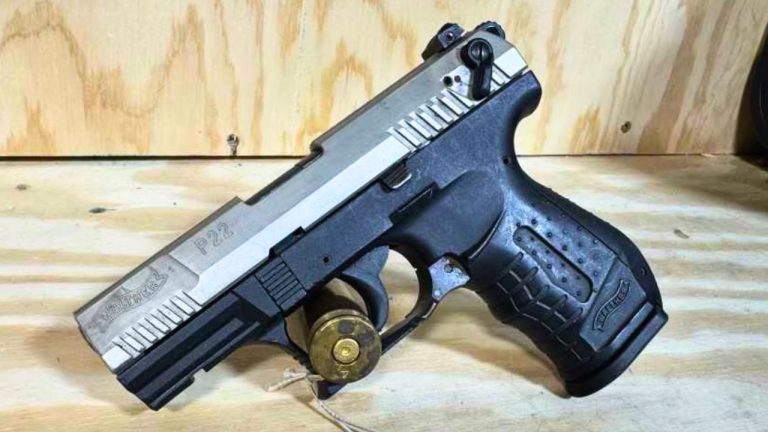
Guns that inspire confidence right up until they jam
You’ve probably owned or shot a gun that felt right at first. It points well, shoots clean groups, and runs fine for the first few magazines. Confidence builds fast. Then it happens—a failure to feed, a stubborn stovepipe, or a dead trigger at the worst moment. Most of these guns aren’t disasters. They work often enough to earn trust, but not often enough to keep it. Usually the problem shows up with certain ammo, light loads, dirty conditions, or extended sessions. These are firearms that look dependable on paper and feel good in the hand, but have reputations for reminding you—sometimes abruptly—that reliability is earned over time, not promised.
Kimber Custom II 1911

The Kimber Custom II often feels tight, accurate, and well-fitted when new. The trigger is clean, the slide cycles smoothly by hand, and early range sessions usually go well. That early performance builds confidence fast, especially for shooters who appreciate classic ergonomics.
Problems tend to surface as round counts climb. Sensitivity to magazines, recoil springs, and hollow points is common. Some guns run ball ammo fine but stumble with modern defensive loads. When dirty, tolerance stacking can cause failures that appear without warning. You can tune them into solid shooters, but out of the box, reliability isn’t always as consistent as the reputation suggests.
Remington 700 (Recent Production)
The Remington 700 still carries a reputation for accuracy and clean bolt operation. When everything lines up, it shoots well and feeds smoothly. Many hunters trust it without hesitation after a few good range days.
Issues show up quietly. Rough chambers, inconsistent extraction, and magazine feeding problems have cropped up in newer rifles. Some run flawlessly, others develop sticky bolt lift or extraction trouble after light fouling. That unpredictability erodes confidence. When a rifle shoots tight groups but hesitates on extraction, trust disappears fast. The design is sound, but execution hasn’t always matched expectations in recent years.
SIG Sauer P320
The P320 points naturally and shoots well for most people. Recoil is manageable, triggers are consistent, and early reliability usually looks solid. It’s easy to see why shooters trust it quickly.
The problem appears with certain ammo profiles and weaker loads. Some pistols show failures to return fully to battery, especially when dirty or under-lubed. Grip pressure can also influence cycling more than expected. Most run fine, but when malfunctions appear, they feel sudden and unexplained. Confidence drops quickly when a pistol that felt boringly reliable starts demanding more attention than you planned to give it.
Ruger Mini-14
The Mini-14 handles well and balances nicely. Early magazines often feed fine, and accuracy is acceptable at moderate distances. For many shooters, the rifle feels dependable during casual range use.
Trouble often comes from magazines and heat. Factory magazines usually work, but aftermarket options introduce feeding issues fast. As the barrel heats, cycling inconsistencies can show up. Accuracy drops and malfunctions appear without warning. The rifle inspires trust early, then slowly chips away at it over longer sessions. It isn’t unusable, but it demands conditions that aren’t always practical in the field.
Springfield Armory XD

The XD series often runs well right out of the box. Grip angle works for many shooters, recoil control is predictable, and early sessions tend to be trouble-free. That reliability earns trust quickly.
Extended shooting can reveal issues. Weak magazine springs, striker channel debris, and sensitivity to underpowered ammo can cause stoppages. The grip safety adds another variable under stress or awkward hand positions. When everything lines up, it runs. When it doesn’t, the malfunctions feel unexpected. It’s reliable enough to build confidence, then inconsistent enough to remind you that attention still matters.
Beretta 92FS
The 92FS has a long history of service use and a reputation for durability. With quality magazines and standard-pressure ammo, it usually runs smoothly. The open slide design gives shooters confidence that it will keep cycling.
That confidence fades with weaker ammo or worn magazines. Failures to feed and sluggish cycling appear more often than expected, especially as springs age. The large frame masks subtle grip errors that can affect reliability. When a pistol with such a strong reputation hiccups, it stands out. The gun isn’t fragile, but it’s less forgiving than many expect.
Kel-Tec PMR-30
The PMR-30 feels light, easy to shoot, and surprisingly accurate. Early magazines often run well, especially with carefully loaded ammo. When it works, it builds confidence fast.
Then the rimfire reality sets in. Magazine loading technique matters more than it should, and ammo choice becomes critical. Feeding issues appear suddenly, even mid-magazine. Heat and fouling make things worse. You can make it run well, but it requires discipline and patience. The frustration comes from how good it feels right before it reminds you that rimfire reliability has limits.
Smith & Wesson M&P 10mm
The M&P 10mm offers manageable recoil and solid ergonomics for a powerful cartridge. Early range sessions with full-power loads usually go well. Accuracy is there, and handling inspires confidence.
Problems emerge with lighter loads and mixed ammo types. Some pistols show feeding and extraction issues that don’t appear consistently. Magazine tuning and recoil spring selection matter more than expected. When malfunctions appear, they feel random. The gun works well enough to earn trust, but not consistently enough to keep it without careful setup.
FN 509

The FN 509 feels durable and well-built. Early reliability is usually excellent, and accuracy is solid. Shooters often trust it quickly based on initial performance.
As round counts climb, some pistols develop sensitivity to dirt and weaker ammo. Stiff recoil springs can cause failures with lighter loads. Grip pressure affects cycling more than expected for a duty-sized pistol. Most issues aren’t constant, which makes them more frustrating. The gun inspires confidence early, then slowly introduces doubt when conditions aren’t ideal.
Mossberg 930
The Mossberg 930 cycles smoothly with heavy loads and feels controllable. Early sessions with proper ammo build confidence quickly. It shoulders well and points naturally.
Trouble shows up with lighter loads or inconsistent cleaning. Gas system sensitivity causes cycling problems that appear suddenly. Fouling builds fast, and reliability drops without much warning. When it runs, it runs well. When it doesn’t, frustration follows quickly. The shotgun rewards attention, but punishes neglect more than many expect.
Taurus PT1911
The PT1911 often surprises shooters with good triggers and solid accuracy. Early reliability can be excellent with ball ammo, which builds trust fast.
As hollow points and different magazines enter the mix, feeding issues become more common. Tolerances vary, and quality control isn’t consistent across examples. Some run well for years, others demand constant tuning. The frustration comes from inconsistency. When a pistol shows promise, then falters without a clear pattern, confidence disappears fast.
CZ Scorpion (Early Models)
The Scorpion feels sturdy and controllable, with predictable recoil and good ergonomics. Early reliability is usually solid, especially with factory magazines.
Issues appear with certain ammo and aftermarket parts. Ejection can become erratic, and failures to feed show up unexpectedly. The heavy bolt masks problems until they surface suddenly. Most shooters trust it quickly, then get surprised during longer sessions. It’s a capable platform, but early confidence isn’t always matched by long-term consistency without careful setup and maintenance.

Asher was raised in the woods and on the water, and it shows. He’s logged more hours behind a rifle and under a heavy pack than most men twice his age.