Guns that stop cycling when they get hot
Heat exposes truth. A gun that runs fine for the first magazine can start acting very different once parts expand, lubricants thin, and tolerances tighten. Cycling problems tied to heat aren’t always dramatic failures. They show up as sluggish return to battery, short-stroking, or erratic ejection that disappears once the gun cools.
These guns can be accurate and reliable under light use. The problem is sustained fire. Range sessions, training days, or fast follow-ups in the field reveal designs that don’t manage heat well. Experienced shooters notice the pattern quickly: cold gun runs, hot gun argues.
Ruger Mini-14 (Older Thin-Barrel Models)
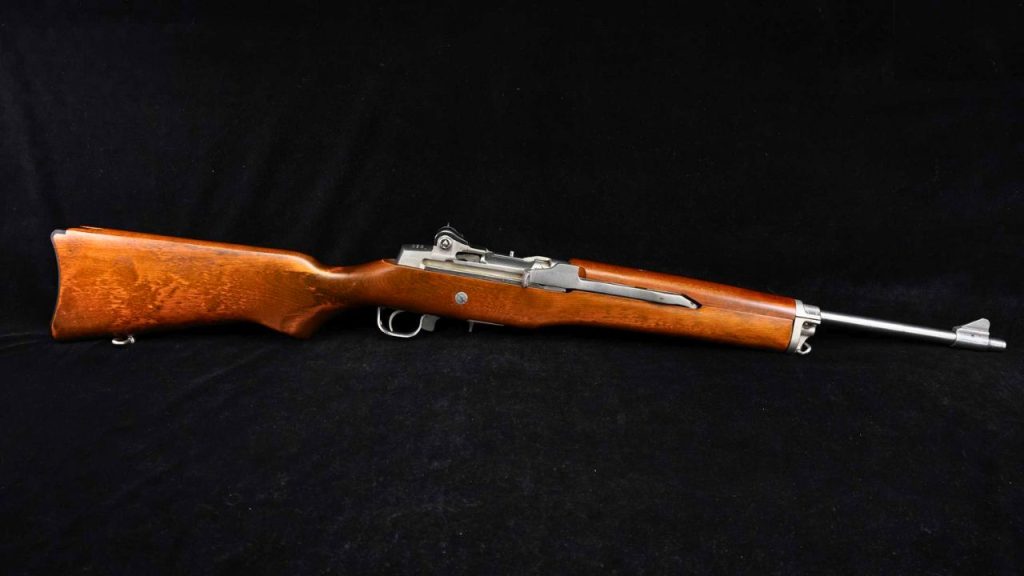
Older Mini-14s are notorious for changing behavior as heat builds. Thin barrels heat quickly, but the real issue is how that heat affects the gas system and harmonics together.
As the rifle warms, cycling becomes inconsistent. Ejection patterns change, and short-stroking appears without warning. Once cooled, the rifle often returns to normal. It’s reliable in bursts, not sustained strings.
AR-15 Carbines with Under-Gassed Setups
Some factory AR-15s are tuned light to reduce recoil. That works until heat enters the picture. As parts expand and fouling builds, marginal gas systems lose the pressure needed to cycle fully.
Hot guns begin short-stroking, failing to lock back or feed reliably. The rifle isn’t broken. It’s simply operating too close to the edge. Heat pushes it over.
Kel-Tec Sub-2000
The Sub-2000 runs fine early, then heat changes the equation. Lightweight construction and a simple blowback system mean heat transfers fast.
As the gun warms, cycling slows and reliability becomes ammo-sensitive. Ejection weakens, and failures to feed appear. Cooling restores function, confirming heat as the culprit.
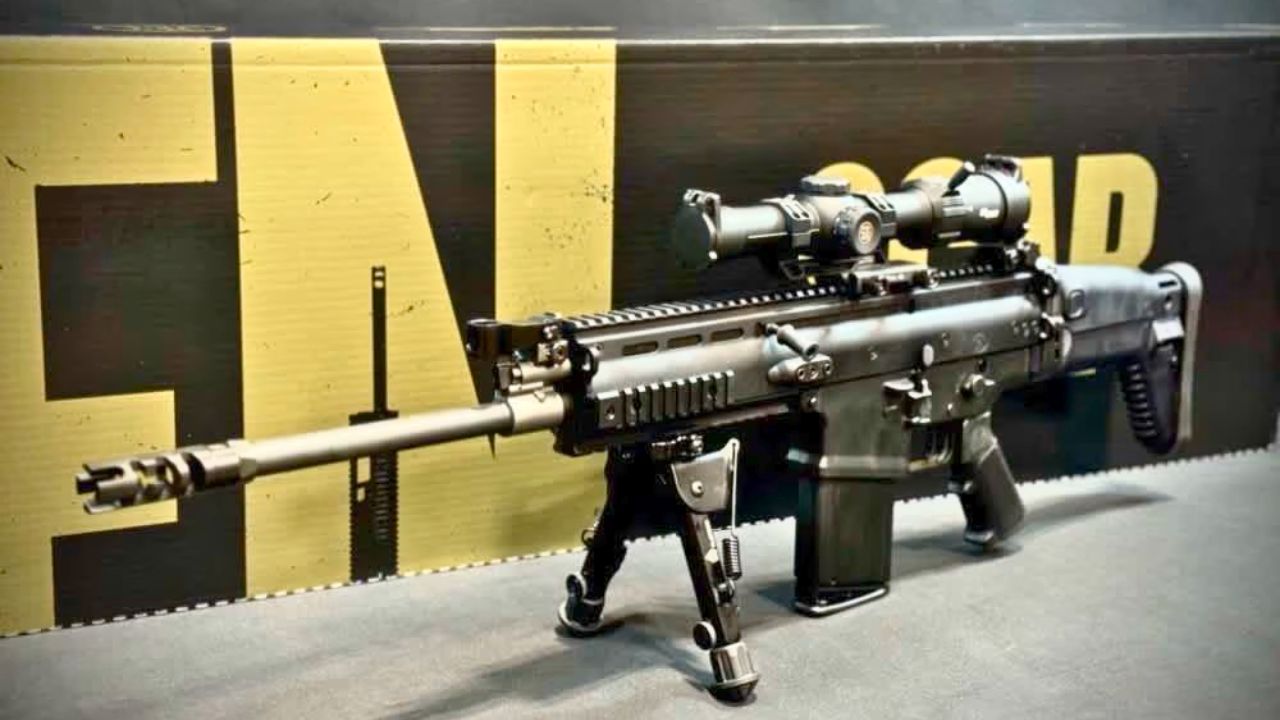
FN SCAR 16 (Early Gas Settings)
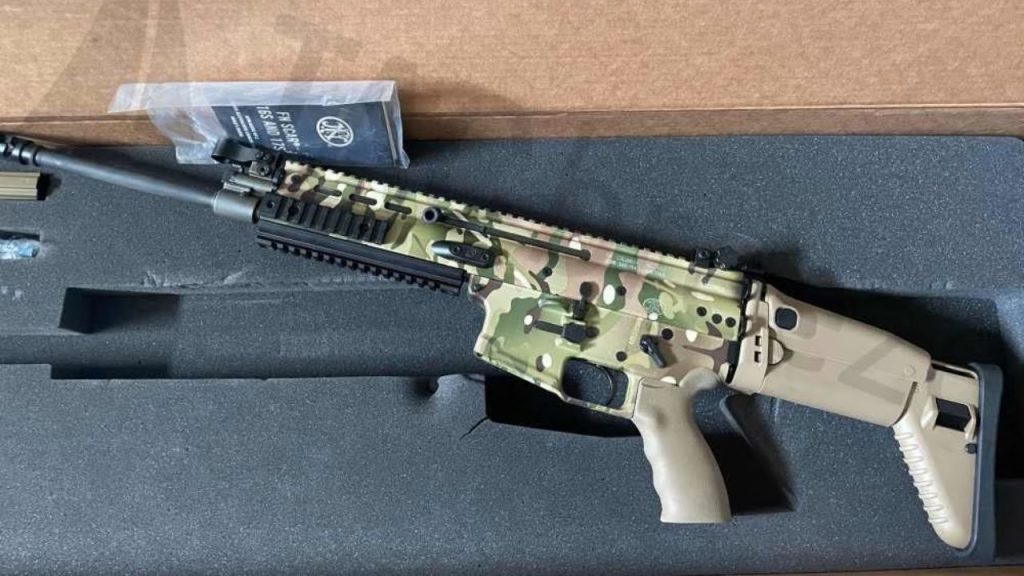
Early SCAR 16 rifles set aggressively for reliability can swing the other direction when hot. Excess heat increases bolt speed and disrupts timing.
That results in erratic cycling, especially during sustained fire. The gun still runs, but not predictably. Heat exaggerates timing issues already present.
AK-Pattern Rifles with Tight Chambers
Some commercial AKs are built tighter than traditional military specs. They run well cold, then struggle as heat expands the chamber and bolt.
Extraction becomes sticky. Cycling slows. Steel-cased ammo worsens the issue. Once cooled, reliability improves. Heat exposes tolerance choices that don’t favor sustained fire.
Remington R51 (Gen 1)
The original R51 design showed clear heat sensitivity. As the pistol warmed, cycling problems became more frequent.
Failures to return to battery appeared after modest round counts. Cooling often restored function temporarily. Heat revealed timing and tolerance problems that never fully went away.
SIG Sauer P320 (Early Production, Hot and Dirty)
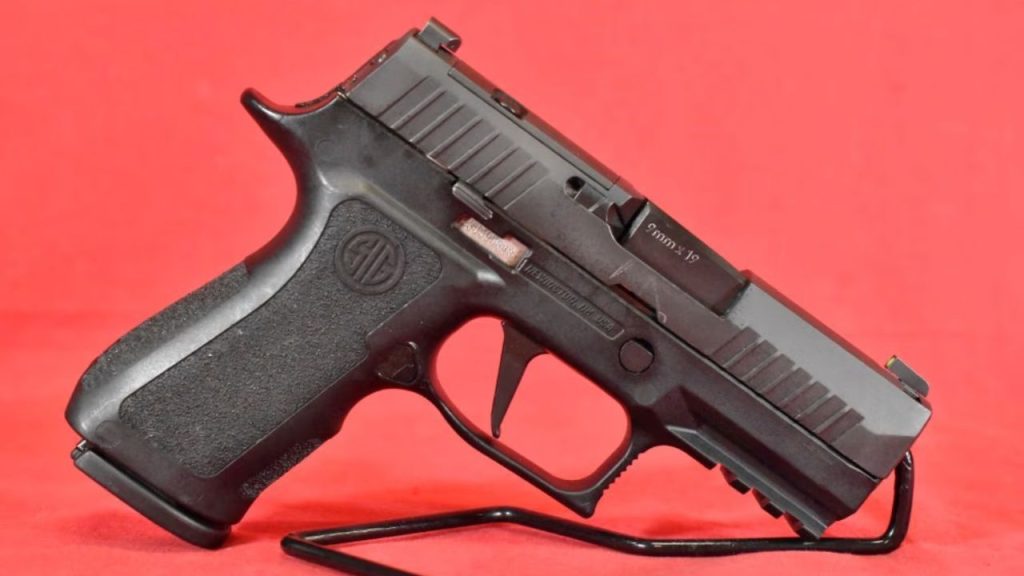
Early P320s can show cycling hesitation when hot and fouled. Slide velocity changes as heat thins lubrication.
Failures appear as sluggish return to battery rather than full stoppages. Clean and cool, the gun behaves. Hot and dirty, it loses rhythm.
Beretta 92FS with Weak Recoil Springs
The 92FS handles heat well mechanically, but weak or tired recoil springs change that. As the gun heats up, slide velocity increases.
That leads to failures to feed or erratic ejection. Cooling masks the problem. Heat exposes maintenance neglect quickly.
CZ Scorpion (Blowback System)
Blowback guns absorb heat directly into the action. The Scorpion runs hard and fast, but sustained fire heats the bolt and receiver rapidly.
As temperatures rise, cycling becomes harsher and less consistent. Malfunctions increase, especially with lighter loads. Heat management is the tradeoff of simplicity.
Springfield XD (Early Models)

Some early XD pistols show heat-related cycling hesitation during extended firing. As the slide heats, lubrication breaks down quickly.
Failures to fully return to battery appear late in sessions. Once cooled and relubed, function returns. Heat sensitivity shows up only after volume.
Mossberg 930 (Gas System Fouling)
The 930 can cycle well cold, then lose reliability as heat bakes fouling into the gas system.
Short-stroking and weak ejection follow. Cooling helps, but cleaning fixes it. Heat doesn’t cause the problem alone. It accelerates it.
Browning BAR (Older Hunting Models)
Older BARs rely on gas systems that don’t love sustained fire. Heat buildup changes gas pressure behavior.
Cycling slows or becomes erratic after repeated shots. The rifle isn’t designed for volume, and heat reminds you of that fast.

Leo’s been tracking game and tuning gear since he could stand upright. He’s sharp, driven, and knows how to keep things running when conditions turn.