Guns That Turn Good Shooters Into Frustrated Ones
Even experienced shooters can run into frustration when a firearm setup doesn’t match their skill level, expectations, or maintenance habits. In most cases, the problem isn’t the shooter or the firearm alone, but a mix of fit, reliability expectations, and how the system is being used in real conditions.
What feels smooth on a short range session can become annoying during longer use or under less controlled conditions. That’s why understanding what causes inconsistency matters more than focusing on any single platform.
Overly sensitive trigger setups
One common source of frustration comes from trigger systems that are extremely light or inconsistent for the shooter’s experience level. While precision triggers can improve accuracy in skilled hands, they can also lead to mistakes if the shooter isn’t fully adapted to them.
Small variations in pressure or timing can result in missed shots or unpredictable grouping. Over time, that can make even a capable shooter feel like their performance is slipping when the real issue is control sensitivity.
Platforms that demand strict maintenance
Some firearm systems require more consistent cleaning, lubrication, or part replacement to stay at peak performance. When those needs are not met, reliability can drop quickly, leading to stoppages or inconsistent cycling.
For shooters expecting a “grab and go” experience, this can feel frustrating. The issue isn’t necessarily the design itself, but the mismatch between maintenance expectations and actual upkeep.
Ammo sensitivity and inconsistent results
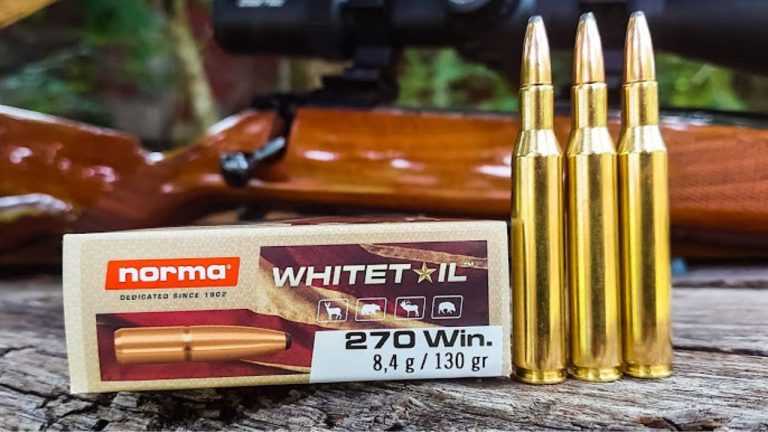
Certain firearms perform differently depending on ammunition type, weight, or quality. When a shooter switches between loads without adjusting expectations, accuracy and reliability can vary more than expected.
This inconsistency can make even skilled shooters question their technique, when in reality the variation often comes from changes in ammunition behavior rather than user error.
Fit and ergonomics that don’t match the shooter
If a firearm doesn’t fit the shooter well, even basic handling can feel awkward. Grip angle, stock length, or sight alignment all play a role in how naturally a firearm points and cycles in use.
Over time, poor fit can lead to fatigue, slower follow-up shots, and reduced confidence, which adds to frustration during longer sessions or repeated use.
Complex manual of arms
Some systems require more steps, controls, or handling procedures than others. For newer shooters or those switching between platforms, this can create confusion under pressure or during fast-paced use.
Even experienced users can slow down when switching between different operating systems, which can impact rhythm and consistency during practice or field use.
Environmental sensitivity
Certain setups can be more affected by dust, moisture, or temperature changes. When performance shifts depending on conditions, it can feel unpredictable to the shooter.
This becomes more noticeable in outdoor environments where conditions aren’t controlled, leading to inconsistent results that can be frustrating to diagnose.
Final takeaway
Frustration in shooting usually comes from a mismatch between expectations, setup, and real-world conditions rather than a single “bad” firearm. When fit, maintenance, ammunition, and system complexity align with the shooter’s experience, performance tends to feel much more consistent.
Understanding those factors makes it easier to identify what needs adjustment, instead of assuming the firearm or the shooter is the problem.

Leo’s been tracking game and tuning gear since he could stand upright. He’s sharp, driven, and knows how to keep things running when conditions turn.