Handguns trainers see fail students most often
Handgun instructors tend to tell the same stories when they talk about students who wash out of class. The failures are rarely about raw talent and much more about predictable habits, from sloppy safety to overconfident tinkering. When those patterns repeat across basic carry courses, competition clinics and law‑enforcement style training, they reveal where students most often go wrong and what it actually takes to pass.
Looking at how trainers describe their worst days on the range, a clear picture emerges of the mistakes that derail otherwise capable people. I see the same themes in civilian license tests, in self‑defense programs and in the way serious shooters talk about their peers, which makes these failure points a useful checklist for anyone who wants to stay off the “do not invite back” list.
Safety rules: the first and fastest way to fail
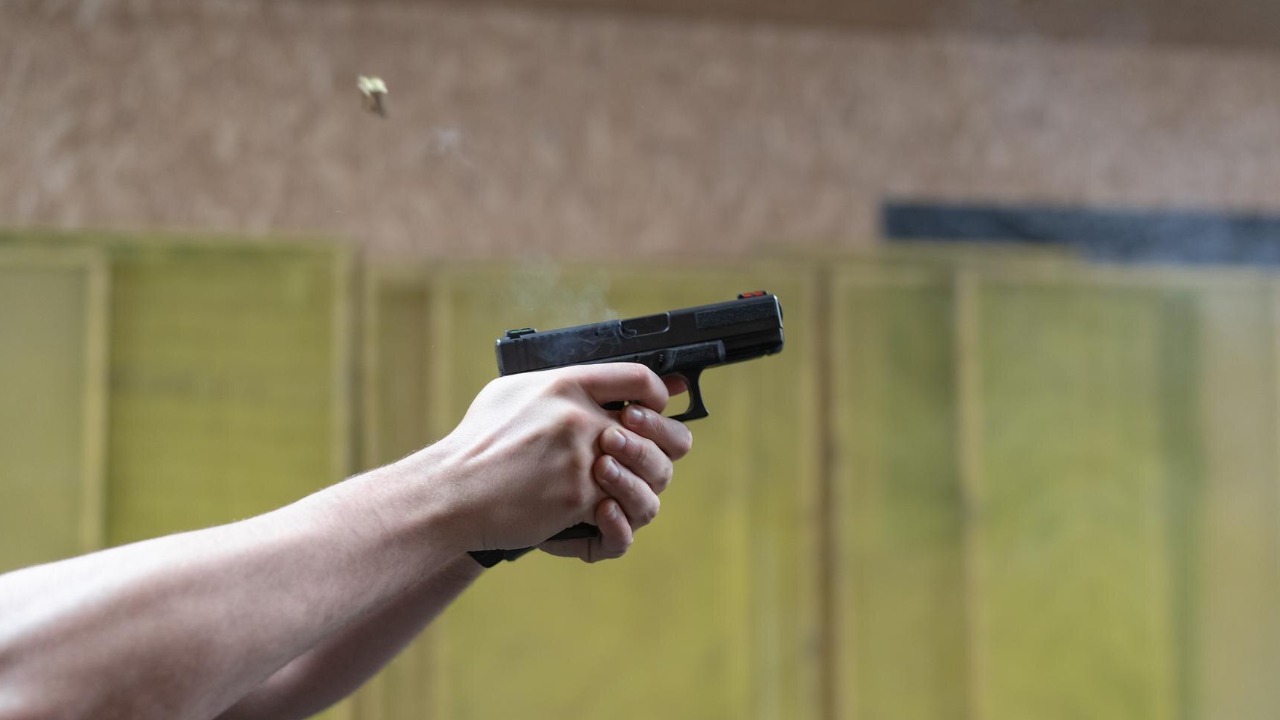
Every instructor I speak with starts the same way, safety violations end the conversation long before accuracy or speed. One trainer described how, in a mixed class, the women steadily improved while a group of “louts” repeatedly broke basic rules, wandered around with loaded guns and ultimately had to be threatened with removal and While the banning from the class. That kind of behavior is not just rude, it forces instructors to divert attention from everyone else and is the quickest route to failure in any structured program.
Range safety problems are not always malicious, sometimes they are simple but dangerous lapses like “muzzling” or “flagging,” when a student inadvertently points the barrel at others while moving or reholstering. One training group describes this as a recurring violation, another example of how people who are otherwise trying hard still swing a Another firearm in the direction of classmates. Instructors know that if a student cannot internalize muzzle discipline and the rule that a gun is always loaded, no amount of coaching on grip or stance will matter.
Trigger control, flinch and the mechanics students ignore
Once safety is under control, the next cluster of failures shows up on the target. Many students struggle with basic trigger work, especially “jerking the trigger,” where they slap or yank instead of applying smooth pressure. One technical breakdown notes that “Jerking the Trigger The trigger pull is often the culprit behind inaccurate shots,” and warns that this sudden movement disrupts the sight picture at the moment of firing, a problem that can be fixed only by conscious focus on a steady Jerking the Trigger trigger pull.
Recoil anticipation is the other invisible enemy that instructors see on almost every line. One experienced teacher describes “Bracing for the” shot, also called flinching, even in people who shoot .22 handguns accurately but suddenly start hitting low when handed a heavier .44 magnum revolver. That same account stresses that training is “absolutely essential” for students to shoot well enough to pass basic qualification and avoid unsafe acts, which is why coaches spend so much time diagnosing why a trainee who otherwise shoots handguns very accurately will occasionally drop rounds Bracing for the below the group.
Grip, stance and the gun trying to leave your hands
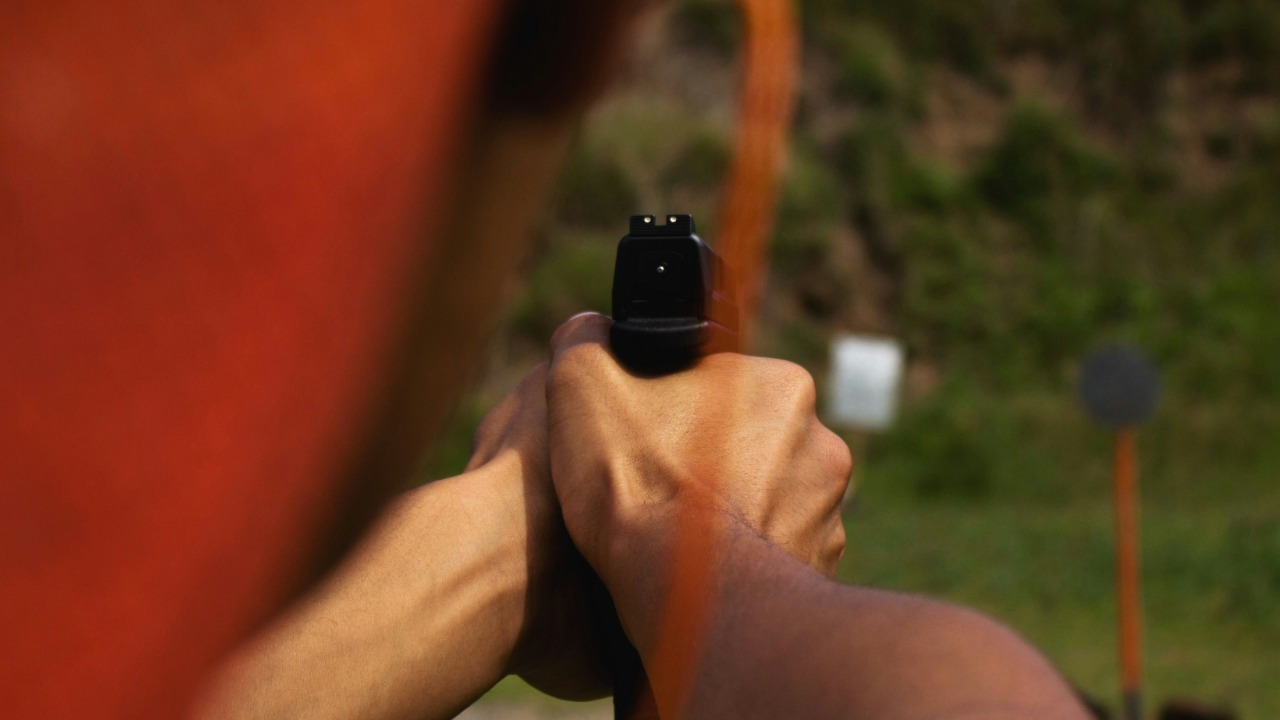
Even students who read every manual often underestimate how much their hands matter. Instructors repeatedly describe the pistol breaking away from the support hand during recoil, especially in rapid fire, because the shooter has not locked in a consistent two‑handed hold. One training post aimed at new shooters notes that “Whether you’re a new” enthusiast or someone tightening form, a structured technique like the “Thumbs” forward grip is essential to keep the gun stable and prevent the slide from jumping out of the support hand with each shot, a problem that shows up in slow‑motion video and on Whether every qualification line.
Body position is the other half of that equation, and it is where some of the most exasperated instructor stories come from. In one widely shared anecdote, a user named Spare‑Ad7105 describes “the worst firearms apprentice” he had ever seen, someone who could not mirror a basic stance even after being placed beside the coach to get the correct POV before being handed an unloaded gun. That student’s refusal or inability to adopt a stable posture turned a simple drill into a drawn‑out ordeal, a reminder that without a solid base and consistent grip, even a well‑tuned handgun will feel like it is trying to escape the shooter’s POV on every shot.
Gear choices, gun tinkering and equipment failures
Handgun students often assume that buying the right pistol will compensate for weak skills, but instructors see the opposite, poor gear choices and over‑modification regularly sabotage otherwise passable shooters. One competition coach lists “Number 7 on the list” of class mistakes as the student who has modified their handgun so heavily that it no longer runs, noting that They have changed springs, triggers and other parts before they have learned to shoot, then spend the course clearing malfunctions instead of building fundamentals, a pattern summed up in the blunt advice to “Learn how to shoot first” before chasing Number hardware tweaks.
Even stock guns can become a liability when students do not understand how mechanical failures affect their scores. One license‑to‑carry program notes that Handguns have switches, springs and plastic parts that are not uncommon to break during a course of fire, especially in older or poorly maintained pistols, and advises students to bring a backup of the same type if one is available so a broken slide stop or magazine catch does not end their test. Another instructor, discussing class statistics, tells Friends to read Aaron’s comments about how 25 XDs in class produced 20 catastrophic failures while 625 Glocks in the same period ran with far fewer issues, adding that he is not a hater, But wants people to recognize that certain platforms have generated far more sore posteriors and lost training time than others in his Friends classes.
Mindset, preparation and the myth of “one and done” training
Behind the technical errors is a deeper pattern that instructors describe in almost identical language, too many students arrive physically and mentally unprepared for the demands of serious firearms work. A training unit that fields questions about high failure rates in a demanding course explains that There are multiple reasons people do not make it through, but most eliminations come down to not being physically prepared for the conditions or not being mentally ready to work hard, live with discomfort and push beyond their comfort level after days of PT, sleep deprivation, ruck marches and a limited diet, a standard that is obviously harsher than a weekend carry class but built on the same expectation that candidates want it badly enough to push through There hard moments.
On the civilian side, instructors see a quieter version of that same complacency. One analysis of why firearms training fails compares it to driver’s education and asks readers to Imagine going through the licensing process, then not driving for years and expecting to perform well in an emergency, arguing that infrequent, low‑intensity practice is a major reason skills degrade. In a separate discussion, a concealed‑carry shooter bluntly states “Thats the biggest handgun I have, was wondering if I can compete with what I have,” only to be told “Yes, I compet” with similar gear, before another commenter adds that most people do not take enough training to be competent with their carry guns, a sentiment that echoes what many instructors see when students show up once, pass a minimal test and then never Thats the return.
Course structure, bad habits and why some students never improve
Instructors are quick to point out that students do not fail in a vacuum, weak course design and unrealistic drills can lock in bad habits. One critique of self‑defense firearms classes warns that There may not be a single right way to train, but there are many wrong ways, and lists common mistakes such as Taking shortcuts on scenario realism, overemphasizing speed at the expense of accuracy and neglecting decision‑making under stress, all of which can leave students with a false sense of competence that collapses under pressure. Another breakdown of training failures argues that “This one should be obvious,” then urges readers to Imagine how quickly perishable skills fade without structured refreshers, framing regular, well‑designed practice as an important shield against skill degradation rather than an optional There extra.
On the firing line, those structural issues show up as students who have never been forced to confront their own weaknesses. One veteran instructor describes how, despite his experience, he still had a negligent discharge and later reflected on how he had made “the least amount of mistakes at the gun range” only by treating every lapse as a lesson, a mindset he urges others to adopt in a video about a Mar firearms instructor’s negligent discharge. Another analysis of unintentional shots notes that You are trained to keep your finger outside the trigger guard until you are ready to fire, yet real‑world stress and startle responses can still drive people to clench and fire unintentionally, a reminder that good structure has to include realistic stress inoculation, not just rote repetition of the four rules in a classroom You.
Familiarity, logistics and the quiet reasons people wash out
Some of the most preventable failures are also the least glamorous. Instructors who run basic handgun classes say that Among the most common shortcomings of students is a lack of familiarity with the handgun itself, from not knowing how to lock the slide back to fumbling with magazine releases and safeties. When students arrive at a class to learn safety and marksmanship but have never read the manual or practiced basic controls, the process becomes time‑consuming across the spectrum, slowing down everyone else while the coach walks one person through When to load, unload and clear malfunctions that should have been rehearsed at home with an unloaded Among the pistol.
Administrative details can be just as unforgiving. A breakdown of why students fail the LTC proficiency test notes that Handguns can and do break, that weather, nerves and unfamiliar ranges all add friction, and that something as simple as bringing the wrong ammunition or failing to test a new holster can derail an otherwise competent shooter. In parallel, a broader critique of firearms training culture lists five reasons programs fail, including poor retention plans and unrealistic expectations, and urges readers to treat ongoing practice as a normal part of owning a gun rather than a one‑time hurdle, a point that is echoed again when the same analysis reminds readers that “This one should be obvious” and asks them to This Imagine a driver who never refreshes their skills.

Leo’s been tracking game and tuning gear since he could stand upright. He’s sharp, driven, and knows how to keep things running when conditions turn.