

Historians estimate half a million cats served in World War I trenches
Cats weren’t just mascots in World War I—they were essential members of trench life. An estimated half a million felines roamed the muddy networks of European frontlines, offering practical and emotional support. Soldiers relied on them for more than companionship; cats controlled vermin populations that threatened food supplies and spread disease. Their presence was a small but meaningful reprieve from the chaos of war. These cats became familiar figures in dugouts, observation posts, and even officer tents, blending necessity with comfort in a way few humans could match. Their stories often go untold, but their impact was tangible, keeping morale and health afloat amid unimaginable conditions.
Cats as Natural Vermin Controllers
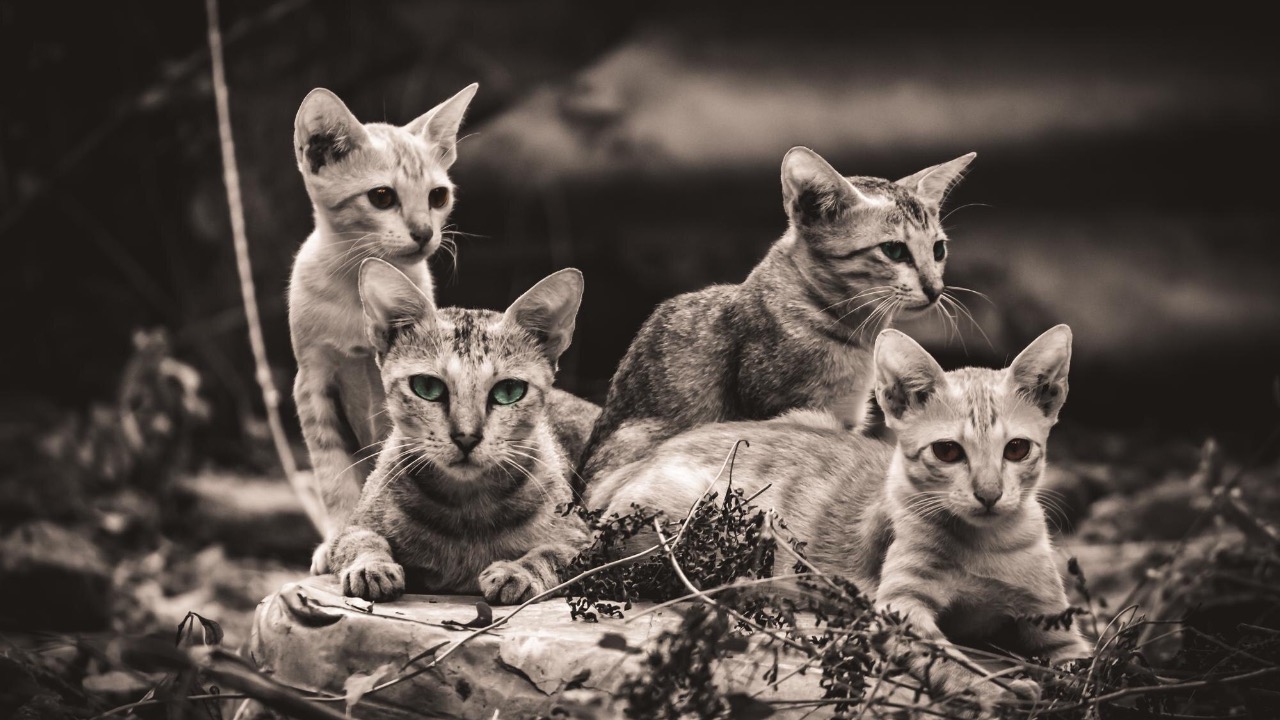
Trenches were infested with rats that spread disease and destroyed precious food. Cats were deployed to hunt these vermin, making them vital to survival. Their hunting skills kept supplies safe and reduced the spread of typhus and other illnesses among troops.
Soldiers quickly realized that a cat’s presence directly influenced hygiene and order in the trenches. While rifles and bayonets defended men from human threats, cats handled the smaller but persistent dangers. Many soldiers even encouraged cats to roam freely through dugouts, knowing that every rat caught was a small victory in maintaining some semblance of control over life in the trenches.
Companions in Chaos
War zones were unpredictable, terrifying, and isolating. Cats provided comfort in a way few human interactions could. Their quiet presence offered soldiers a sense of normalcy, a reminder of life beyond the trenches.
Men often named their feline companions and formed routines around their care, sharing moments of calm feeding or petting between patrols and artillery barrages. This companionship reduced stress and helped soldiers manage the mental toll of constant danger. In many cases, the emotional bond with a cat was as valuable as any ration or piece of equipment.
Messengers and Morale Boosters
Some units found that cats could even serve limited practical roles beyond hunting. Stories exist of cats accompanying messengers or sitting in lookout posts, alerting soldiers to movements or sounds. Their presence lifted morale, offering humor and distraction in tense moments.
Soldiers often took photographs or made sketches of their trench cats, keeping visual records as tokens of resilience. These small rituals became coping mechanisms, giving men something to focus on other than mud, lice, and bombardments. A cat’s playful behavior or gentle purring could cut through fear, reminding troops that life carried on despite the horrors surrounding them.
Cats and Military Mascots
In addition to functional roles, some regiments officially adopted cats as mascots. These cats traveled with units, participated in parades, and even wore small identification collars. Their symbolic presence reinforced camaraderie and unit identity, much like a banner or emblem.
Soldiers took pride in these mascots, treating them with care and attention, even giving them tiny medals or keeping scrapbooks. While the cats weren’t combatants, they embodied resilience and spirit, offering soldiers a shared symbol of hope and continuity amid chaos. These mascots became legendary in their own right, remembered long after the war ended.
Survival Skills and Adaptation
Trench cats had to endure harsh conditions: mud, cold, and ration shortages. Their survival skills mirrored those of soldiers, adapting to limited food sources and unpredictable environments.
Cats often scavenged alongside men, sometimes sharing scraps or hunting small rodents. Their resilience inspired soldiers, and their ability to navigate dangerous terrain without guidance highlighted instinct and adaptability. Observing a cat survive and thrive in the trenches reminded soldiers of the importance of alertness, patience, and cleverness—traits every frontline fighter needed to make it through the day.
Legacy of Trench Cats
After the war, many of these cats returned home with soldiers, while others disappeared into the countryside. Their contributions, largely overlooked, had lasting effects on trench hygiene, morale, and soldier well-being.
Historians studying diaries, letters, and military logs have pieced together accounts of these felines’ presence. From pest control to companionship, cats played a subtle but meaningful role in one of history’s most grueling conflicts. They remind us that even the smallest participants can shape the experience of war, offering lessons in resilience, utility, and comfort under extreme conditions.

Asher was raised in the woods and on the water, and it shows. He’s logged more hours behind a rifle and under a heavy pack than most men twice his age.

![Best Damn EDC [Taylor Martin]/YouTube](https://wildernessmarksman.com/wp-content/uploads/2026/01/crop-1037-768x432.jpg)


