How abandoned military gear becomes a liability
Military gear is built to survive combat, but the real trouble often starts when it is left behind. Once rifles, radios, vehicles, or even body armor slip out of the system, they stop being assets and start turning into financial, legal, and strategic headaches that can follow people for years.
From war zones where abandoned equipment reshapes the balance of power, to home-station warehouses where neglect quietly eats through billions of dollars in hardware, the pattern is the same: what is not tracked and recovered becomes a liability. I have seen how quickly a “lost” item can turn into a career problem for a young soldier or a long-term security risk for a country that thought it was done with a conflict.
Why abandoned gear is never really gone
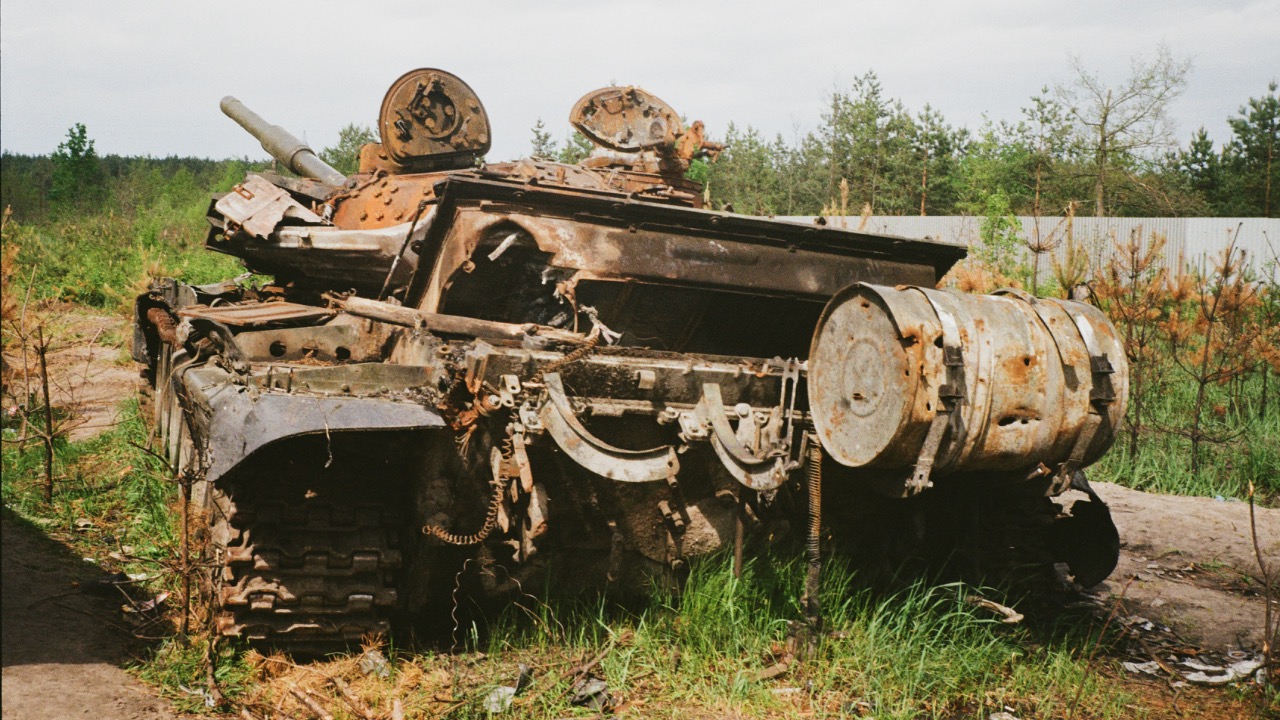
On paper, military property is either on hand, in transit, or properly disposed of. In reality, gear gets left in conexes, buried in supply cages, or scattered across foreign bases when units redeploy in a hurry. The loss of military equipment is described as unacceptable because of the dangerous consequences it can create, especially when forces are already under pressure in the face of the threat of the adversary, and that blunt assessment captures why “walking away” is rarely a clean option. Once a weapon, radio, or night vision device is unaccounted for, commanders have to assume it might end up in the wrong hands, not in a landfill.
That risk is not theoretical. Analysts looking at the legacy of abandoned U.S. military equipment in Afghanistan have argued that leaving cutting edge systems behind made people ask hard questions about the logic of letting advanced gear sit on the table to be picked up by whoever came next. Those same assessments stress that militaries are supposed to destroy or disable sensitive equipment to avoid unauthorized access, not simply leave it in place when the last aircraft lifts off. When gear is treated as disposable, the liability does not disappear, it migrates to the next conflict, the next black market, or the next investigation.
The paper trail: how the Army chases missing equipment
Inside the U.S. system, the moment a rifle, radio, or vehicle cannot be found, the bureaucracy kicks in. Units launch a formal process known as a Financial Liability Investigation of Property Loss, often shortened to a “FLIPL,” to figure out what happened and who is responsible. Official guidance on the Financial Liability Investigation explains that this process can lead to a Report of Survey and even a Statement of Charges or Cash Collection Voucher, which means real money coming out of a soldier’s pocket if negligence is found. That is the institutional way of saying that gear is never “free” or forgotten, even if it sat in a wall locker for years.
The culture around this paperwork is shaped by the knowledge that the Army can come back long after a deployment or a PCS move. One former soldier described how the Army came knocking for gear 8 years later, recounting on OCIE discussions that they were appointed as the investigating officer for missing organizational clothing and individual equipment that had slipped through the cracks. Stories like that circulate in every unit, and they reinforce a simple lesson: if you sign for it, you own it until the system says otherwise, no matter how much time has passed.
The legal bite: when “lost” becomes a crime
Beyond the financial paperwork, there is a hard legal edge to losing or abandoning military property. Under the Uniform Code of Military Justice, UCMJ Article 108 covers Military Property of the United States, Loss, Damage, Destruction, or Wrongful Disposition. That article spells out that a service member who sells or otherwise wrongfully disposes of government gear, or who allows it to be lost through neglect, can face criminal charges, especially if the specific property (which was a firearm or explosive) was lost in violation of law, regulation, or order. In other words, “I forgot to turn it in” is not a harmless excuse when the item is a weapon or sensitive device.
History shows that commanders and senior officers are not immune from that scrutiny. The Aberdeen case, often cited in professional discussions, had significant implications for the personal finances of military officers, because it demonstrated that they can be held accountable for environmental damage and mishandling of hazardous materials, as well as the stigma of criminal prosecution. Analyses of The Aberdeen fallout underline that when the government decides to make an example, the bill can land on individuals, not just on an anonymous line in the defense budget. That reality is one more reason why leaders push their troops to treat every serialized item like it has a lawyer attached to it.
Strategic fallout: Afghanistan and beyond
When gear is abandoned in a combat zone, the liability jumps from personal to strategic. In Afghanistan, images of captured vehicles, weapons, and aircraft sparked a global argument about what had been left behind and who might use it next. Analysts writing about the legacy of abandoned U.S. military equipment in that country noted that it made people ask questions about the craziness of letting this cutting edge equipment go to waste on the table to be picked up by whoever controlled the ground after the withdrawal. That criticism was not only about dollars, it was about the message it sent to allies and adversaries who watched advanced hardware change hands without a fight.
Those same assessments stressed that the United States had long-standing policies to destroy or disable sensitive equipment to avoid unauthorized access, especially when leaving remote bases or partner facilities. Yet in the rush to exit, not every vehicle or weapons cache could be rendered useless, and some of it ended up as trophies or operational tools for groups that had once been on the receiving end of those systems. The debate captured in Feb commentary shows how quickly abandoned gear can morph into a talking point about strategic judgment, ethics, and long term regional stability.
When “outdated” gear still causes problems
One argument I hear often is that much of what gets left behind is “old” or “obsolete,” so the risk is limited. That line does not hold up well when you look at how militaries actually treat legacy systems. In professional discussions about when certain U.S. armaments are described as outdated, veterans and analysts point out that at some point the costs of maintaining old legacy equipment that cannot hack it in modern combat outweigh the benefits, but that does not mean the gear is harmless. As one Edited comment put it, even older systems can be lethal in the right hands, or valuable as training tools, spare parts, or propaganda props.
That is why militaries invest so much effort in demilitarizing or tightly controlling surplus weapons and vehicles instead of simply dumping them. The loss of military equipment is framed in academic work as unacceptable not only because it weakens the original owner, but because it can strengthen an adversary who suddenly has access to gear they did not have to buy or develop. One analysis on military equipment accountability stresses that every untracked rifle or vehicle is a small shift in the balance of power, especially in conflicts where both sides are scraping for any edge they can get.
The quiet bleed: gear rotting in storage
Not all liabilities come from dramatic withdrawals or battlefield chaos. A huge share of the problem sits in warehouses and depots where gear is technically accounted for but slowly being destroyed by neglect. Investigators who inspected $1.96 billion worth of equipment at two distribution centers controlled by the Defense Logistics Ag found that improper storage was damaging ground combat systems and repair parts. That is not abandonment in the classic sense, but the effect is similar: gear that should be ready for war is quietly being written off because it sat in the wrong place under the wrong conditions.
A related report highlighted that those two distribution centers, run by the Defense Logistics Agency, or DLA, were responsible for $1.9 billion in repair parts and components that were at risk because of poor storage practices. When that much hardware is compromised, the liability shows up in readiness reports, emergency procurement bills, and the trust that frontline units place in the supply system. From a taxpayer’s perspective, gear that rots in a warehouse is not much different from gear left on a foreign airfield, because in both cases the money is gone and the capability is not there when it is needed.
Abandonment in law: when walking away is official
Outside the strictly military world, the law has a very specific way of looking at abandonment. In shipping and logistics, for example, abandonment is described as a formal process to relinquish cargo rights, not a casual decision to leave something on the dock. Legal guides explain that Abandonment of cargo requires paperwork and clear procedures to avoid further liability, and that if those steps are not followed, the original owner can still be on the hook for storage fees, environmental cleanup, or damages. That mindset is useful when thinking about military gear, because it underlines that “we left it there” is not the same as “we are no longer responsible.”
Key takeaways from those legal discussions emphasize that it is essential to follow proper procedures to avoid future claims, and that simply walking away from property rarely erases obligations. In the military context, that translates into formal turn in at a central issue facility, documented demilitarization, or a signed transfer to another unit or partner force. When those steps are skipped, the gear may be physically gone, but the paper trail still points back to the original owner, and that is where the financial and legal liabilities start to pile up.
The personal side: soldiers, CIF, and “old gear” at home
For individual service members, the liability often feels most real when they are clearing post or cleaning out a garage years later. Organizational clothing and individual equipment, the OCIE that every soldier signs for, has a way of lingering in duffel bags and parents’ basements. One former soldier described how the Army came back for missing items years after the fact, and that story has become a cautionary tale in Aug threads where people trade advice on how to avoid surprise bills. The message is consistent: if the system still thinks you have it, you are responsible, no matter how long it has been.
Even something as mundane as parents wanting to get rid of old Army gear can turn into a legal question. In one discussion, a soldier explained that their parents were ready to toss old kit, but the smart move was to go to their gaining state CIF and have them work with the previous CIF to transfer the gear properly. As that Luckily for them story shows, if the paperwork is handled correctly and then it passes legal review, the headache goes away. If it is not, that “old junk” in a closet can turn into a statement of charges or worse.
What accountability really protects
When you strip away the acronyms and legal language, the rules around abandoned gear are about more than protecting inventory spreadsheets. Academic work on accountability and responsibility argues that tight control of equipment is a core part of operational effectiveness, because every missing item is one less tool in the hands of troops who may already be outnumbered or outgunned. That perspective lines up with what most veterans know instinctively: if you cannot trust your supply chain, you start improvising, and improvisation in combat usually means more risk and more casualties.

Asher was raised in the woods and on the water, and it shows. He’s logged more hours behind a rifle and under a heavy pack than most men twice his age.