How coyotes and bobcats compete in Texas ecosystems
Across Texas, coyotes and bobcats shadow each other through mesquite flats, pine plantations, and brushy creek bottoms, hunting many of the same animals and slipping through the same fence gaps. They are rivals, neighbors, and sometimes outright enemies, and the way they sort out that relationship shapes everything from quail numbers to how often you see a rabbit track on a sandy road. Understanding how these two predators compete, and how they avoid each other, is key if you care about managing land, protecting livestock, or simply reading the country the way a hunter should.
Both species are tough, adaptable carnivores, but they play the game very differently. Coyotes lean on numbers, speed, and a generalist diet, while bobcats rely on stealth, cover, and a more selective hunting style. When those strategies collide on Texas ground, you get a constant tug-of-war over food, space, and time of day, and that competition ripples through the rest of the ecosystem.
Texas as a battleground for mid‑sized predators
Texas is prime country for watching predator competition play out in real time. From the brush country that holds ocelots to the pineywoods of East Texas, coyotes and bobcats overlap across huge swaths of habitat, often within the same pastures and creek drainages. Field crews working on ocelot research in South Texas report that They trap and collect health data on bobcats and coyotes that share the same thornscrub and grasslands as those endangered cats, which tells you how tightly these predators are packed into the landscape. Camera traps and scat surveys across the state keep turning up both species using the same ranch roads, senderos, and water sources, which sets the stage for constant interaction.
That overlap is not a quiet truce. A widely shared Texas clip on social media shows a bobcat and coyote squaring off in open country, a reminder that the two wild animals usually compete against each other for food and space, as highlighted in an Instagram reel. That kind of direct confrontation is not the norm, but it captures the underlying reality: these are two carnivores trying to make a living off the same prey base in the same state, and neither is eager to give ground.
Different bodies, different tactics
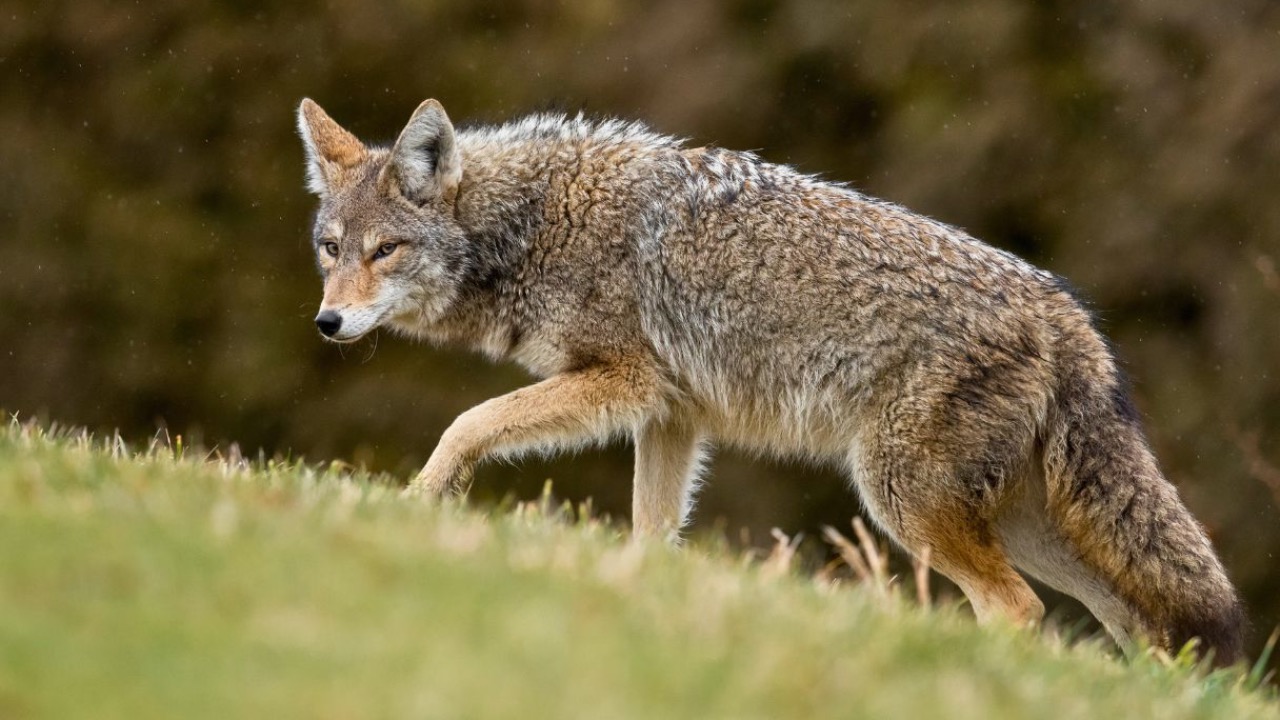
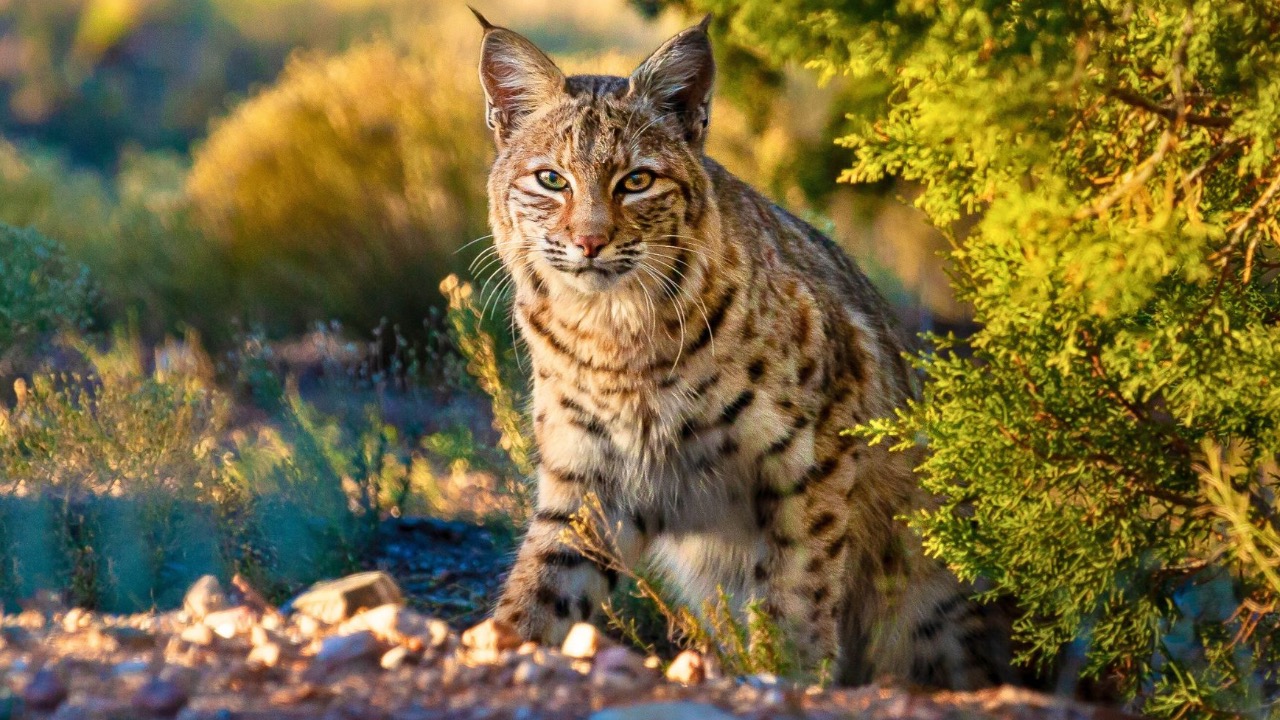
On paper, a coyote has the edge in a straight-up fight. Analyses that compare a bobcat and coyote head to head conclude that a coyote would win a fight in most cases, since Coyotes tend to be larger and heavier than bobcats. That size difference shows up in the field when you find tracks along a muddy tank edge or in a sandy wash: the coyote prints are longer and more oval, built for trotting miles, while the bobcat’s rounder pads and heavy toe marks tell you it is a short-range ambush hunter. Those physical differences drive how each animal uses the country, and they set the boundaries for how direct their competition can get.
Bobcats lean on stealth and cover, slipping through brush and using broken terrain to get close to rabbits and rodents, while coyotes are more likely to cruise open ground and cut scent trails. That contrast shows up in diet studies, where researchers have found that bobcats are more selective and coyotes more opportunistic. Work in the Sonoran Desert reported that bobcats focused more tightly on certain prey while coyotes took advantage of a wider range of food, and that same pattern fits what many Texas hunters see when they glass a pasture at last light: bobcats working the edges, coyotes drifting across the middle.
What the stomach contents really say
When you start cutting open scats and looking at hair, bones, and seeds, the story of competition gets more detailed. In one Texas study on a managed property, researchers found that Prey items important in the diets of coyotes included fruits, rodents, and lagomorphs, while bobcats leaned heavily on rodents and lagomorphs. Both predators were hunting the same basic menu, but coyotes added more plant material and a broader mix of small animals, which fits their generalist reputation. That overlap means they are absolutely competing for food, especially when rabbit numbers dip or drought tightens things up.
At the same time, there is evidence that they partition that food enough to coexist. A separate analysis of diet overlap in another arid system found that the Overlap of diets between predators was independent of rainfall levels, and that bobcats were more selective while coyotes were more generalist, opportunistic predators. Work on sympatric carnivores has shown that both species can use all major habitat types in a landscape, but in different proportions, with Habitat use and the distribution of Scats of each predator reflecting those preferences. Put together, the scat work suggests that while they share a lot of prey, they are not identical in how or where they take it, which eases some of the pressure between them.
Sharing ground without sharing the same niche
Ecologists talk about interference and exploitation when they describe how predators compete. In Texas, both mechanisms are in play. A study on the co‑occurrence of bobcats, coyotes, and ocelots in South Texas noted that the causative mechanism behind carnivore interactions can be interference competition, where one species is directly antagonistic toward another, and exploitative competition, where they simply draw down the same prey base, as outlined in work on Apr carnivore communities. In plain terms, coyotes can physically push bobcats off kills or out of certain travel corridors, and both species can indirectly hurt each other by hammering the same rabbits and rodents.
Despite that, they do manage to coexist across much of the state. Research on sympatric carnivores has shown that while coyotes and bobcats shared some of the same prey items, evidence indicated that the two carnivores likely eat different prey sizes and types often enough to reduce direct conflict, with larger ungulate remains turning up more in coyote scat and smaller mammals more in bobcat scat, according to work summarized by While. That kind of resource partitioning is exactly what ecologists expect when multiple predators share a landscape, and it mirrors patterns seen in other systems where co‑occurring predators carve out slightly different realized niches, as described in research on resource partitioning among estuary fishes.
How time of day and water holes shape encounters
Space is only half the story; time matters too. Studies of carnivores at desert water sources in western North America looked at interactions between top mammalian carnivores like the coyote, Canis latrans, and other predators, and found that animals often stagger their visits to avoid direct clashes. That same pattern shows up in Texas when you run cameras on windmill tanks or creek crossings: coyotes may hit a water source earlier in the night, with bobcats slipping in during the quieter hours, or vice versa, depending on local pressure and prey movement. It is a way to share a critical resource without constantly risking a fight.
Temporal partitioning also shows up in daily hunting routines. In some landscapes, bobcats lean harder on crepuscular and nocturnal activity, while coyotes are more willing to move in daylight, especially in low‑pressure ranch country. Work on multi‑carnivore systems has emphasized that individuals must forage and reproduce while also competing with other carnivores and avoiding intraguild predation, a point underscored in research assessing interactions between coyotes, bobcats, and cougars in Apr. In practice, that means a bobcat might shift its hunting window to dodge a resident coyote pair, or a coyote might swing wide around a thicket where it has bumped a bobcat before, all of which reduces direct conflict even when both are working the same pasture.
Human pressure and the Texas patchwork
Texas is not a pristine wilderness; it is a patchwork of cattle pastures, timber leases, suburbs, and oil pads, and both predators have to navigate that human footprint. Recent work in modified timber forest habitat in East Texas found that Bobcats and coyotes exhibit avoidance of anthropogenic features, shifting their movements away from heavy human activity. That kind of behavior can compress both species into the same remaining cover, which may intensify competition in the patches of habitat they still use heavily. It also changes how and where hunters and landowners are likely to see them, concentrating sign along creek bottoms, pipeline rights‑of‑way, and the edges of big timber blocks.
At the same time, predator management decisions by people can tilt the balance. In Texas wildlife education programs, predator management is treated as one tool among many, and landowners working through a 1D1 wildlife management plan are reminded that although predator management is one of the categories you can choose, it should only be used thoughtfully, as explained in guidance on Oct wildlife planning. Heavy pressure on coyotes, for example, might give bobcats more room to operate in the short term, while sustained trapping of bobcats could leave coyotes as the dominant mid‑sized predator. Either way, human decisions about roads, development, and control work are now part of the competitive landscape these animals have to navigate.
Top dog, mid‑sized cat, and the rest of the food web
Where wolves are absent, coyotes often function as the top carnivore in a local system, and that role carries weight. In Texas suburbs and exurban areas, As the top carnivore in some ecosystems, coyotes provide benefits by regulating populations of smaller predators like raccoons and foxes, which helps boost biodiversity. That same pressure can fall on bobcats, especially younger or smaller individuals, when coyotes dominate a landscape. Other research has noted that They also compete with smaller carnivores like raccoons and opossums, helping to keep their numbers under control, which in turn affects songbirds, ground‑nesting birds, and even herpetofauna.
Bobcats, for their part, are serious mesopredators that can put real pressure on rabbits, rodents, and young deer in some habitats. In regions where coyotes have expanded, observers have noted that Coyotes now dominate in regions previously ruled by red fox, gray fox, and bobcats, which reshuffles the deck for everything those smaller predators used to control. When coyotes push bobcats into rougher cover or more marginal habitat, that can change where rabbits feel the most pressure, where quail nests get raided, and how often a landowner sees either predator on a given piece of ground.
What competition looks like on the ground
For hunters and land managers, the competition between coyotes and bobcats is not an abstract theory; it shows up in tracks, trail‑cam photos, and calling stands. A widely shared Texas Untitled clip of a coyote and bobcat facing off in open country is the kind of thing many callers have seen in person: a coyote swinging in hard to a distress sound, only to find a bobcat already locked onto the same rabbit. Sometimes the coyote runs the cat off, sometimes the bobcat melts into cover, and occasionally both hang up and stare each other down before one blinks. Those moments are interference competition in real time, and they can teach you a lot about how each animal reads risk and reward.
On a broader scale, ecologists remind us that while cooperation creates many success stories in nature, competition and antagonistic relationships are equally important in shaping communities and helping maintain the delicate balance within ecosystems, a point laid out in discussions of While biotic relationships. In Texas, the tug‑of‑war between coyotes and bobcats is one of those balancing forces. It keeps either predator from completely overrunning the other across most landscapes, and it shapes how prey species behave and where they survive. For anyone who spends time on the land, paying attention to that rivalry is part of understanding the country itself.

Asher was raised in the woods and on the water, and it shows. He’s logged more hours behind a rifle and under a heavy pack than most men twice his age.