How experienced survivalists decide what firearms are actually useful
When you strip away marketing and campfire bravado, the guns that actually matter in a crisis are the ones you can run cold, wet, half-awake and scared, without thinking. Experienced survivalists do not chase the newest caliber or the flashiest accessory. They work backward from the ugly realities of hunger, bad weather and human desperation, then pick a handful of firearms that keep meat in the pot and trouble at arm’s length.
Over the years I have watched the same patterns repeat: the people who stay honest about their skills, their terrain and their budget end up with a tight, boring set of tools that work. The ones who buy for ego or fantasy usually regret it when the power goes out or the truck will not start. The difference is not secret knowledge, it is a clear way of thinking about what a gun has to do when everything else is going wrong.
Principles first, calibers later

Seasoned preppers start with principles, not model numbers. In a real emergency you may be cold, dehydrated and running on adrenaline, which is why one influential set of survival guidelines insists that in times of extreme crisis you should be able to pick up the weapon, charge it and fire immediately, even if your effective I.Q. would be very low. That mindset pushes you toward firearms that are mechanically simple, easy to load and intuitive to run under stress, instead of guns that demand fine motor skills and constant tinkering, a point that is hammered home in classic discussions of survival weapons.
From there, experienced hands look at roles: defense at bad-breath distance, mid‑range protection, and putting protein on the table. Good survival rifles are judged by how well they match those roles, not by how cool they look on a rack. Practical shooters weigh things like weight, reliability and how quickly a rifle can transition between self‑defense, small‑game hunting and larger‑game work, the same way detailed breakdowns of Survival Rifle Characteristics sort guns by close‑quarters defense, medium‑range hunting and packability. Only after those boxes are checked do the old hands start arguing about chamberings and brands.
Why the “one gun” fantasy keeps coming back
Every serious shooter has heard the bar‑stool challenge: if you could only have one gun, what would it be? In homesteading and prepping circles that question gets very specific, with people arguing the merits of an Fn / Fal 7.62 Slr, a .223 bolt gun for the back forty, or a lever‑action 30‑30 for deer and hogs. In one long‑running small‑farm discussion, folks bounce between a Marlin that “shoots straight,” a Henry 45‑70 and even a Remington big‑bore, while others swear by a Ruger 10/22 as the most realistic all‑around tool, all in the same thread about what one gun people would keep.
The experienced voices in those arguments usually land on the same point: if you only have one firearm, you are not much of a prepper. A single rifle or shotgun can be pressed into a lot of roles, but it will always be a compromise. That is why many seasoned survivalists talk instead about a core trio that covers defense, small game and big game, a pattern that shows up again and again in detailed forum debates about what three firearms they would keep if they had to cut down. The “one gun” thought experiment is useful because it forces you to rank your needs, but the people who have actually lived through hurricanes, riots or long supply disruptions tend to hedge their bets with at least a small battery.
The shotgun as the working person’s survival gun
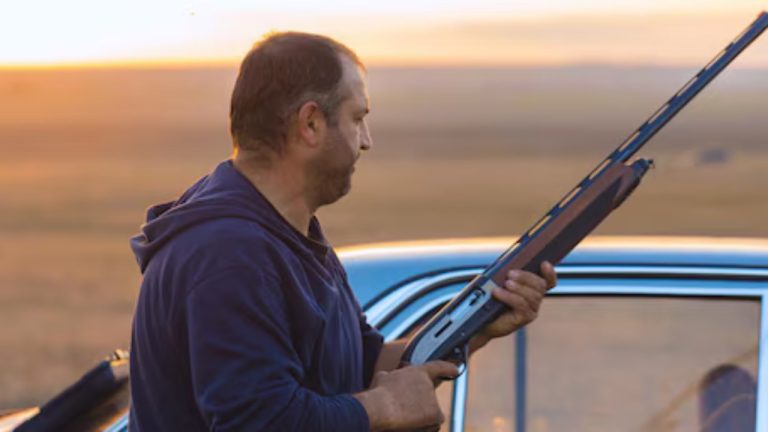
Ask a dozen backwoods guides what they would grab if the truck had to leave right now and a 12 gauge pump will come up more than anything else. A good pump shotgun can throw birdshot for grouse and rabbits, buckshot for close‑range defense and slugs for deer or black bear, which is why one rural‑living guide flatly calls it “Supremely versatile” and points out that it can handle everything from fowl of the air to single‑projectile big‑game work with nothing more than a barrel swap and a different load. That same overview of Supremely versatile farm guns highlights how a slide‑action with a short defensive barrel and a longer hunting tube can cover chores that would otherwise demand two or three separate firearms.
Experienced tinkerers lean into that flexibility. One well‑known how‑to project walks through turning a Mossberg 500 into a dedicated survival shotgun, choosing that platform specifically because the Mossberg 500 PUMP has a long track record, a huge parts ecosystem and the ability to run everything from light bird loads to heavy slugs without drama. That kind of build, laid out step by step in guides to a Mossberg 500 survival setup, shows how a single, boring pump gun can be tuned with sights, ammo choices and storage to ride behind a truck seat for decades and still be the first thing you reach for when something goes bump in the night.
Rifles that actually pull their weight
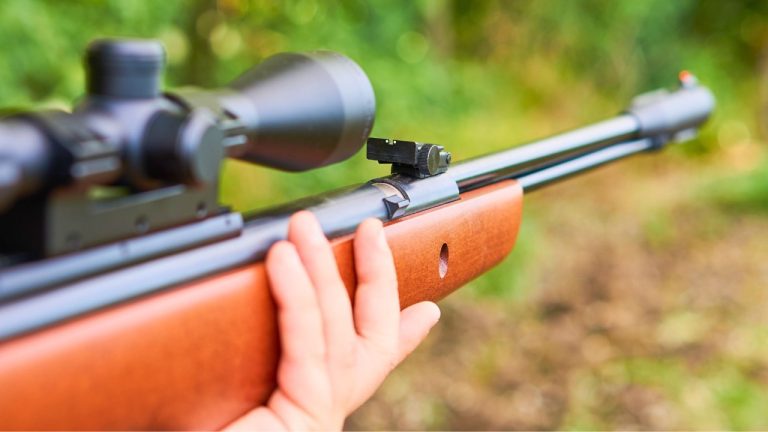
Once the shotgun slot is filled, most survivalists look for a rifle that can stretch the distance and handle both defense and hunting. The best of these are not toys, they are working rifles that balance weight, reliability and ammo availability. Detailed breakdowns of modern survival rifles stress that you should match the gun to the role, whether that is self‑defense in close quarters, medium‑range hunting or a takedown design that can ride in a pack when you have to travel as light as possible, the same way careful reviews of Like any survival rifle sort options by mission.
On the practical side, many experienced shooters gravitate toward rifles with “Pros” like quick change barrels, Legendary reliability, a Huge aftermarket and Great value, even if that means accepting quirks such as a magazine tube that is not easily extended or plastic furniture that offends traditionalists. Those tradeoffs are spelled out in detailed rundowns of Quick change do‑it‑all guns that can handle home defense, hogs and deer without needing a safe full of specialized rifles. The common thread is not brand loyalty, it is a bias toward rifles that run dirty, share ammo with common platforms and can be fixed with parts you can actually find when the shelves are bare.
The quiet workhorse: .22s and small‑game rigs
Old‑timers who have actually had to live off what they could shoot tend to get almost sentimental about the humble .22. When people lay out their ideal three‑gun survival sets, a recurring theme is a centerfire rifle, a shotgun and, if they could add a fourth, a .22 rifle like a Ruger 10/22. In one widely cited prepping discussion, a contributor named M Tajbakhsh spells out that Any Pump Shotgun such as a Mossberg 500 covers a lot of ground, but a .22 adds the utility of hunting weapons that will not burn through precious centerfire ammo, a point that shows up clearly in the debate over Ruger 10/22 and similar rifles.
That same logic pops up in more casual conversations, where people call a “Simple 10/22” the best choice for a one‑gun scenario because it is cheap to feed, easy to shoot and accurate enough for head‑shot rabbits and grouse. In the real world, most experienced survivalists pair that rimfire with a shotgun or centerfire rifle rather than relying on it alone, but they almost never leave it off the list. When you are trying to keep traps checked, garden pests under control and stew meat in the pot without burning through your last box of 7.62 or .223, a light .22 that runs like a sewing machine starts to look less like a toy and more like the backbone of your food plan.
Handguns: last‑ditch tools, not magic wands
Handguns are the most argued‑over part of any survival battery, and the least important until you need one right now. Experienced preppers tend to treat them as tools for when you cannot carry a long gun, not as primary fight‑stoppers. In one detailed emergency‑planning thread, people recommend a .38 spec revolver or a .380 M&P EZ as realistic starting points for new shooters, stressing that you should get some training at least a basic course and that the best gun depends highly on your hand strength, how you plan to carry and how much you are willing to practice, all points laid out bluntly in a long discussion of what firearm to buy for emergencies.
More experienced shooters often converge on a mid‑size 9 mm as the long‑term workhorse. In one blunt exchange about the best long‑term all‑around firearm, a commenter flatly says “I have got the answer for you. Glock 19. Without question. Anyone who owns pistols has a Glock 19,” then points to Endless parts support, simple design and plenty of ammo floating around as the real reasons. That kind of argument, laid out in detail in a thread about the Glock 19, reflects a broader survivalist bias toward handguns that are boringly reliable, easy to fix and fed by magazines and ammunition you can find in almost any town in the country.
Real‑world lessons from people who have been there
When you listen to people who have actually ridden out disasters, a few hard lessons repeat. One long thread of real‑life experiences from preppers who have dealt with civil unrest and long‑term outages notes that Open carry is useful when not hunkered down and that the bigger and scarier the visible rifle, the more it can deter trouble when there is no nearby law enforcement. At the same time, those same voices warn that when you are sheltering in place, a low‑profile carbine or shotgun that does not draw attention can be more valuable than a flashy battle rifle, a tension that runs through the stories shared in a discussion of any real life gun choices.
Another recurring theme is that the best weapons for when SHTF are the ones you can feed and fix. In a widely cited checklist, experienced users recommend a 12 Gauge Pump Shotgun for its versatility from slugs to buckshot, a common intermediate‑caliber rifle and a reliable handgun, while warning that There are many brands, models and actions you will have to decide on and that chasing exotic calibers is a mistake when you are scrounging for ammo. That kind of grounded advice, laid out in detail in a thread on Gauge Pump Shotgun choices, lines up with what guides, farmers and small‑town cops have been saying quietly for years.
Training, mistakes and the gear trap
The most common mistake I see new gun owners make is buying hardware before they have done the homework. Many first‑time buyers purchase a gun based on recommendations from friends, flashy marketing or movie portrayals rather than what actually fits their specific needs and experience level, a pattern laid out bluntly in one training school’s breakdown of Many first‑time mistakes. Experienced survivalists flip that script: they get honest about their likely threats, their physical limitations and how much time they will really spend on the range, then pick guns that fit that reality.
The same trap shows up with accessories. A lot of people bolt cheap lights, optics and stocks onto a decent gun and quietly make it less reliable. One practical guide for new shooters flatly says Avoid the temptation to buy cheap, low‑quality accessories, warning that They might save money initially but can fail when needed most and urging people to Researc options carefully instead. That advice, spelled out in a primer on Avoid the accessory shopping, matches what you hear from instructors who have watched bargain optics die in the first rainstorm. The survivalists who stay out of trouble tend to run sturdy iron sights, proven white lights and slings that will not fray apart, then spend the rest of their budget on ammo and training instead of another gadget.
How experienced shooters actually build a survival battery
When you put all of this together, a pattern emerges in how experienced survivalists decide what firearms are actually useful. They start with a short list of roles, then fill them with guns that are simple, reliable and supported by common parts and ammunition. Many end up with a Mossberg 500 or similar pump as the core long gun, backed by a centerfire rifle that can handle both defense and big game, a .22 like a Ruger 10/22 for small‑game and pest control, and a mid‑size handgun such as a Glock 19 for when a long gun is not practical. That mix lines up with the way instructors, homesteaders and forum regulars talk about Any Pump Shotgun, Mossberg 500, 500‑series builds and the utility of a .22 in threads that range from Nov 11 top‑five lists to detailed breakdowns of Jun survival rifles.
The last piece is mindset. Experienced hands do not treat any of these guns as talismans. They see them as tools that need to be maintained, trained with and occasionally replaced. When new shooters ask what kind of gun they should buy, the best answers point them toward rental ranges, remind them that They had to shoot German rifles in past conflicts when their preferred guns were not available, and note that Most gun stores will take the rental fee off the purchase price if you try before you buy, as one grounded thread on So what kind of gun to buy makes clear. In the end, the survivalists who make it through hard times with their hides and their hearing intact are the ones who pick a few proven firearms, learn them deeply and resist the urge to chase every new thing that shows up on a magazine cover.

Asher was raised in the woods and on the water, and it shows. He’s logged more hours behind a rifle and under a heavy pack than most men twice his age.