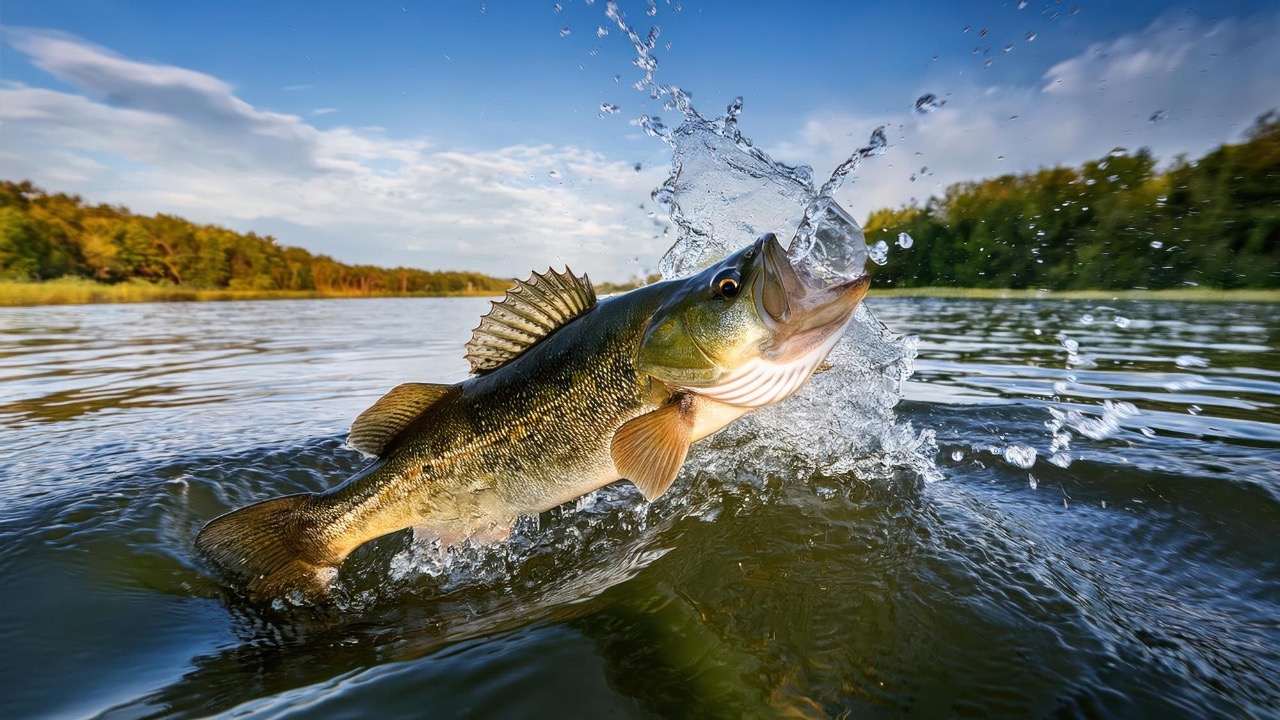
How to catch bass hiding deep in heavy cover
Big largemouth rarely sit out in the open when the sun is high and the water is warm. They bury in flooded bushes, milfoil, hydrilla and wood, where only anglers willing to probe deep into the tangle consistently reach them. Learning how to hook and land bass that are buried in heavy cover turns intimidating jungle into the most reliable big-fish water on the lake.
Success in this environment depends on understanding how bass use shade and structure, then matching that behavior with specific presentations, stout gear and disciplined boat control. With the right plan, anglers can turn impenetrable mats and gnarly brush into predictable feeding lanes instead of snag factories.
Why bass bury in the thick stuff
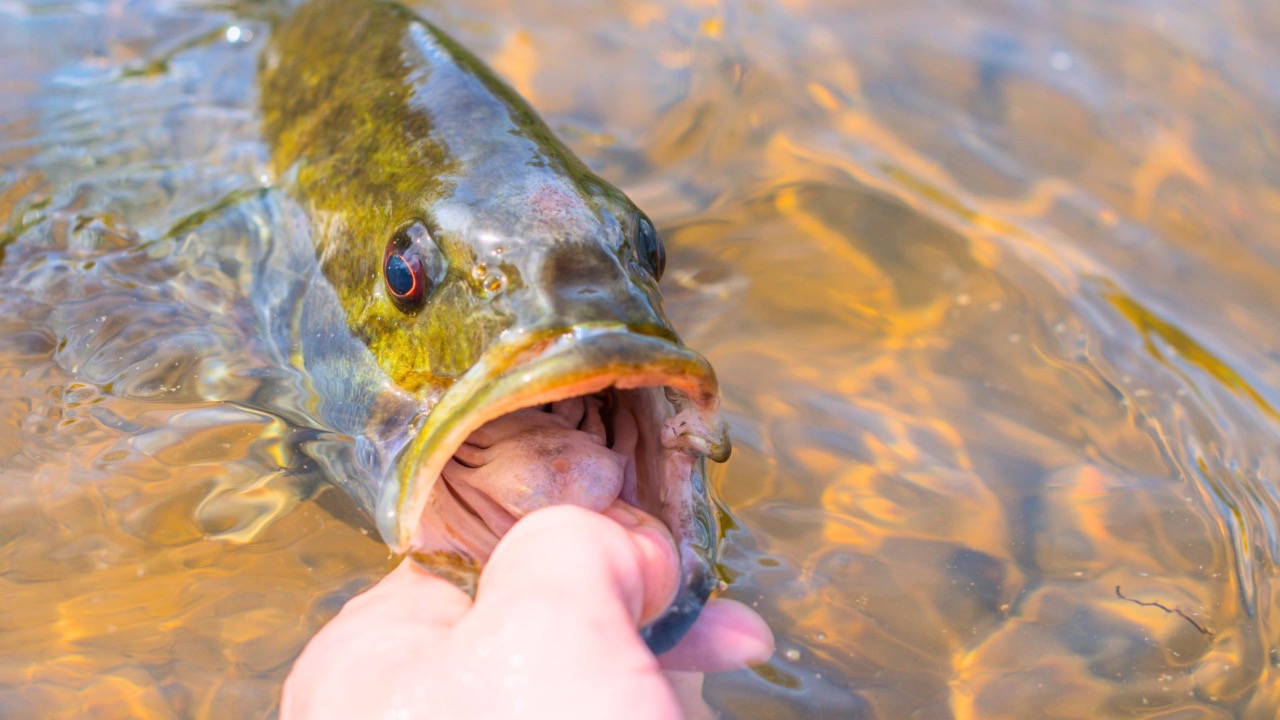
Largemouth are ambush predators, and heavy cover gives them everything they need in one place: shade, security and food. When temperatures climb, bass often slide under matted vegetation or into the heart of flooded bushes where the light is low and the water can feel a touch cooler. Reports on bass behavior consistently tie their movements to shade lines, weed edges and dense overhead cover.
In summer in particular, anglers find that the thickest mats hold the heaviest fish. One detailed breakdown of hot weather patterns notes that bass may lounge in this dark overhead canopy during bright periods, then slide to the edges to feed in low light. Another source on shallow weed tactics explains that a medium retrieve 6:1 gear ratio reel spooled with 50, 65 or 80-pound braided line helps winch big fish out when they strike in this environment, which reinforces how committed these bass are to staying buried deep.
Heavy cover also concentrates forage. Bluegills, shad and minnows move through lanes in the weeds, and crayfish use the stems and roots as both food and shelter. Bass can sit motionless in a pocket, then move only a few inches to intercept prey. That efficiency is exactly why the biggest fish in a system often spend their days in the nastiest part of the cover.
Reading heavy cover like a map
To reach bass that are buried, an angler first has to read the jungle. Not all cover is equal, and several sources stress that the densest part of a mat or bush often hides a small opening or “sweet spot” that funnels fish traffic. One technical guide on how to fish heavy cover better notes that anglers should stay away from simply casting to the obvious outer edge and instead look for irregularities, such as points, inside turns and isolated clumps.
Vegetation type matters. Hydrilla and milfoil often form thick mats with scattered holes, ideal for punching. Lily pads create shade with more open water underneath, which suits frogs and swim jigs. Flooded bushes and laydowns demand precise flips into small pockets between branches. Anglers who scan a grass flat or shoreline should mark where different plant species meet, where a hard bottom transitions to muck, or where a ditch cuts through a flat. Those subtle changes are classic ambush points.
Boat position is part of reading cover. One breakdown on catching bass in heavy cover stresses backing off instead of hovering directly over the target, since distance helps reduce spooked fish and improves casting angles. That same piece encourages anglers to adjust rod length for better line control, explaining that stepping up to a slightly longer rod helps steer a hooked fish out of the cover without losing leverage. The combination of distance, angle and awareness of subtle edges turns a chaotic grass mat into a series of precise targets.
Gearing up for combat fishing
Fishing deep inside cover is closer to hand-to-hand combat than finesse. A forum discussion on getting fish out of cover describes one experienced Super User recommending heavy extra fast action rods, heavy fluorocarbon or braid, and a tight drag. The advice is blunt: set the hook hard and pull, because the longer a bass stays in the cover, the more likely it is to wrap the line and come off.
That approach aligns with weed-specific guidance that recommends a 6:1 gear ratio reel paired with 50, 65 or 80-pound braided line for shallow weed tactics. The braid cuts through vegetation and the reel speed lets an angler immediately pick up slack when a bass surges toward the boat or around a clump. Shorter, more accurate rods in the 7-foot to 7-foot-6 range give better control for flipping and pitching, while still having the backbone to move a heavy fish.
Terminal tackle has to match the environment. Punching rigs typically use tungsten weights from 3/4 ounce up to 1 1/2 ounces, pegged tight to a compact soft plastic. That weight punches through thick mats and carries the bait quickly to the fish. Flipping into bushes and wood often calls for slightly lighter weights to reduce hang-ups, but still heavy enough to fall straight instead of pendulum away from the target. Strong hooks and quality swivels round out the system, since any weak link will be exposed as soon as a big bass digs into the stems.
Punching: getting under the roof
Flipping and pitching get a bait into the openings, but punching gets it under the roof. One detailed breakdown on coaxing big bass out of thick cover explains that flipping and pitching are useful for reaching the surface of a mat, but punching is what actually delivers the bait underneath, where the fish spend most of their time. That analysis defines punching as a specialized presentation that uses a heavy weight and compact bait to break through the mat and drop into the dark pocket below. The same source emphasizes that anglers should not kid themselves about how long to leave the bait; letting it soak a bit longer than expected often triggers bites from inactive fish. The article repeatedly highlights that flipping and pitching are only the first step, while WHAT anglers call PUNCHING is the true key to penetrating the mat, and it points to an upstream social presence at Discovered through the related coverage of Feeling Punchy and How to Coax Big Bass Out of Thick Cover.
Another technical breakdown on three key presentations reinforces that Punching Bass consistently get under mats of hydrilla and other vegetation, which is why a properly rigged punching setup is non-negotiable for serious mat fishing. That same material notes that lures and terminal tackle matter for getting the bait through the canopy and then hooking the fish solidly in the roof of the fish’s mouth. Anglers who treat punching as a distinct technique, not just a heavier flip, tend to adjust their rod length, line and hook size accordingly.
Video instruction from tournament anglers such as Scott Martin, identified as Martin Bassmaster Pro and guide in one detailed tutorial, shows how a compact creature bait and streamlined tungsten weight can slide through even the nastiest cover when punched correctly. Martin demonstrates how to engage the reel as soon as the bait breaks through, watch the line for a tick, then drive the hook home with a vertical sweep that pulls the fish up and out before it can bury again.
Flipping, pitching and skipping into tight windows
Not every piece of heavy cover needs a punching rig. Many bushes, laydowns and sparse grass lines are best approached with traditional flipping and pitching. A detailed tip sheet on fishing heavy cover points out that one of the biggest mistakes anglers make is getting too close to the cover. The same piece advises them to stay away, maintain some distance and use the rod to place the bait quietly in the target zone. That distance reduces spooked fish and gives more room to maneuver a hooked bass.
Another breakdown on tips for bass fishing heavy cover warns that many anglers drop their bait on the outside edge and never penetrate to the heart of the cover where the fish actually live. It encourages them to pitch past the obvious edge, let the bait fall into the pockets and be prepared to lose a few lures in exchange for more bites. That tradeoff is simply part of fishing in the jungle.
Skipping is the third piece of the puzzle. A detailed guide on skip, flip and pitch presentations explains that skipping soft plastics or jigs under docks and overhanging limbs reaches bass that are conditioned to avoid pressure. Those fish often sit in the darkest recesses, where only a well-skipped bait can reach them. Combined with pitching and flipping, skipping lets an angler cover every layer of heavy cover from the surface to the bottom.
Topwater and reaction baits over the canopy
Not all strikes in heavy cover come from vertical presentations. Over matted grass and pads, topwater frogs and buzzing baits can trigger explosive surface strikes. A video demonstration on how to catch big bass in heavy cover on topwater from the Mystery Tackle Box channel shows anglers walking hollow body frogs across thick mats, then pausing over holes and edges to tempt lurking bass. The clip also compares a Hall Body frog with a punching rig in summertime, explaining that some anglers prefer the surface drama while others favor the higher hookup ratio of a subsurface punch.
Swim jigs and bladed jigs also shine in and around cover. A breakdown of four baits for heavy cover bass fishing highlights the Swim jig as an excellent lure for covering water on vast flats of varying weed density. The swim jig slips through sparse grass, deflects off stems and can be fished over the top of thicker clumps, all while maintaining a natural baitfish profile. Paired with a trailer that matches local forage, it becomes a high-percentage search bait.
Topwater over shallow weeds demands stout gear too. Weed-specific guidance recommends the same 50, 65 or 80-pound braid and a medium retrieve 6:1 reel to muscle fish out when they explode on the surface. Anglers who hesitate after the strike often lose fish as they dive into the stems, so the advice is to wait just long enough to feel weight, then drive the hooks and reel hard to keep the bass on top.
Fine-tuning bait rigging and sound
Small rigging tweaks can dramatically increase bites in heavy cover. A set of 5 Tricks to Get More Bites when Fishing Heavy Cover for Bass describes using an O-Ring on soft stickbaits to extend bait life and improve action. The author credits Tom Reddington for popularizing this O-Ring trick, and notes that it lets a wacky-rigged worm slide through cover with less tearing. The same breakdown mentions adding a bead between the weight and hook so that when the weight hits bottom or drops, it clicks and draws attention from nearby fish. The piece refers to bass simply as Bas in one shorthand reference, but the tactics clearly target largemouth in cover.

Leo’s been tracking game and tuning gear since he could stand upright. He’s sharp, driven, and knows how to keep things running when conditions turn.