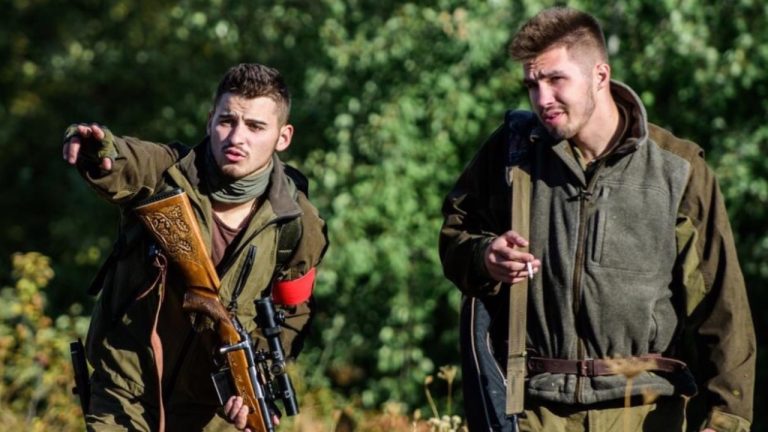
Hunter Says His Friend Refused to Track a Wounded Animal — and It Started an Argument
He made a solid shot on a nice buck just before dark. The deer ran into thick brush, leaving a clear blood trail. But when he asked his friend to help track it, the response shocked him: “It’s too dark, man. Let’s just come back in the morning.”
What should have been a straightforward recovery turned into a heated argument in the middle of the woods.
“We don’t leave wounded animals”
The hunter said he had hit the deer well behind the shoulder and was confident it was a fatal shot. But his friend didn’t want to push into the thicket at night, saying it was unsafe and they could pick up the trail at first light.
“I told him straight — we don’t leave wounded animals out there,” the hunter said. “That’s not how we do it.”
The argument got heated. The friend called him reckless for wanting to track after dark. The hunter called his friend lazy and unethical. They eventually split up, with the first hunter spending another two hours tracking alone by headlamp. He recovered the deer just 80 yards from where it was hit.
The ethics of tracking wounded game
This is a flashpoint in hunting camps across the country. Ethical hunters live by a simple rule: you hit it, you follow it. You do everything possible to recover the animal. Quitting because it’s getting dark, cold, or inconvenient goes against the core principle of fair chase and respect for the game.
Blood trails can dry up or get washed away overnight by rain. Scavengers can find the animal first. Leaving a wounded deer overnight often means losing it completely — and that’s unacceptable to most serious hunters.
Why friendships get tested
The friend later defended himself, saying pushing through thick brush in the dark with limited visibility was dangerous and they could have easily gotten hurt or lost. He argued one deer wasn’t worth risking injury.
The hunter disagreed strongly. “If you’re not willing to track at night, then don’t shoot if there’s any chance you can’t recover it before dark,” he said.
Many experienced hunters fall somewhere in the middle: they prefer not to track at night if possible, but they will if the blood trail is strong and conditions allow. Giving up too easily is where most draw the line.
How to avoid these arguments
- Talk about tracking expectations before the hunt
- Carry good lights, blood trailing tape, and a knife for field dressing at night
- Know your limitations — some terrain really is too dangerous after dark
- If you have to wait until morning, get back on the trail at first light
The two friends eventually cooled off, but the incident left a sour taste. The hunter who tracked the deer alone says he’ll think twice before inviting that friend again.
The bottom line
Hunting means taking responsibility for every animal you shoot. Refusing to track a wounded deer — especially when the shot looked good — crosses a line for many hunters. It’s not just about meat in the cooler. It’s about respect for the animal and for the sport.
If you’re not willing to do the hard work of recovery, especially when it’s inconvenient, you shouldn’t be pulling the trigger.
Have you ever had an argument with a hunting buddy over tracking a wounded animal? Would you track at night, or wait until morning?

Leo’s been tracking game and tuning gear since he could stand upright. He’s sharp, driven, and knows how to keep things running when conditions turn.