Hunter says someone unloaded and reloaded his firearm without telling him — and it caused confusion mid-hunt
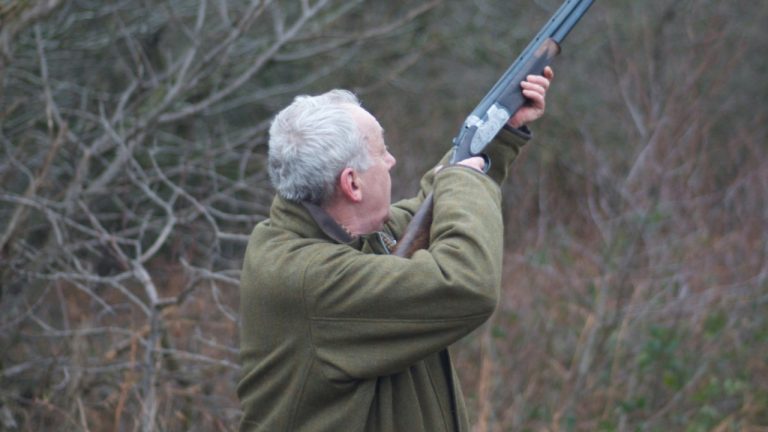
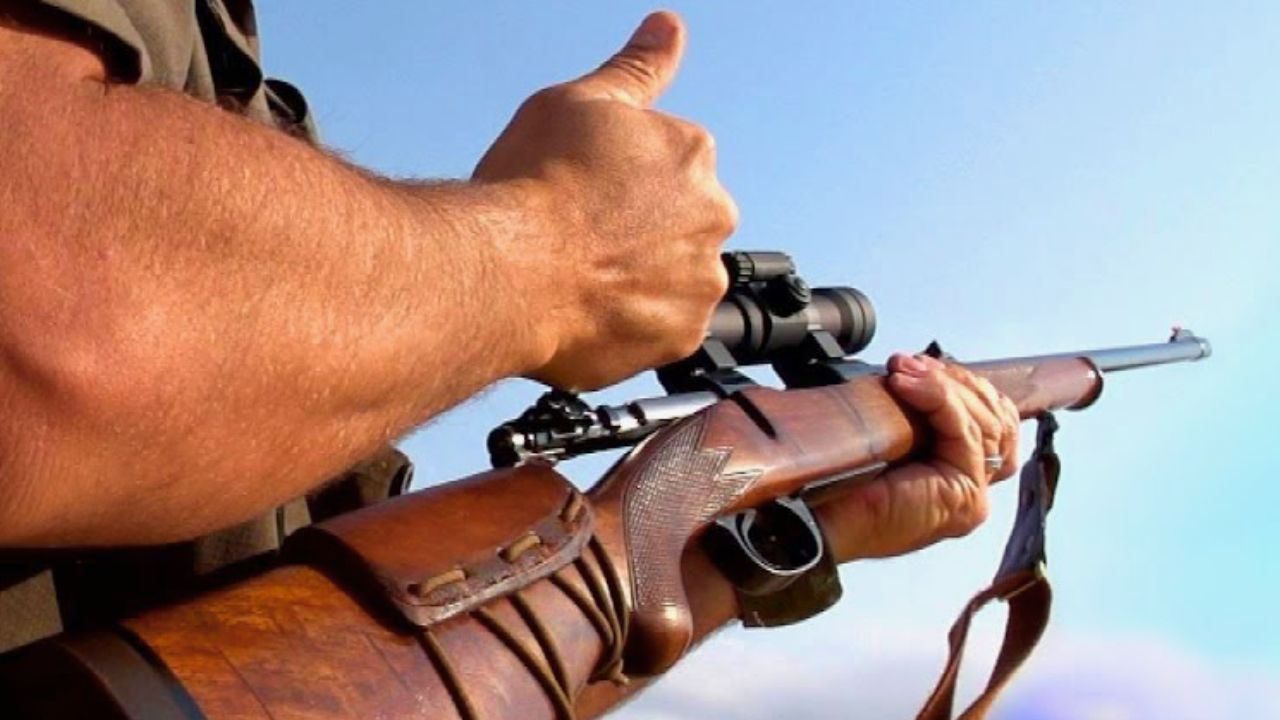
A hunter says a situation during a trip took a turn when someone else handled his firearm without telling him, unloading and then reloading it while he wasn’t paying attention. What might sound like a small change ended up creating real confusion once the group was back in the field and trying to stay coordinated.
According to the account, the issue wasn’t just that the gun was handled — it was that no one communicated what had been done. In a hunting environment, where people rely on clear understanding of their equipment, that kind of uncertainty can lead to hesitation, mistakes, or unsafe assumptions.
How confusion can build quickly in the field
Hunting often involves moments where timing matters, especially when moving through different areas or tracking game. If someone believes their firearm is in one condition but it’s actually in another, even a brief moment of confusion can throw things off.
In this case, the hunter reportedly noticed something felt off when trying to use his firearm, leading to a pause while he figured out what had changed. That kind of delay can disrupt the flow of a hunt, but more importantly, it raises questions about control and awareness in situations where attention needs to stay sharp.
Why handling someone else’s firearm is a big deal
Among hunters, there’s a pretty clear expectation that you don’t handle another person’s firearm unless they’ve given permission. It’s not just about respect — it’s about responsibility. The person who owns the firearm is usually the one keeping track of its condition at all times.
When someone else steps in and changes that without saying anything, it breaks that chain of awareness. Even if the intention was harmless, the result is that the owner can no longer be fully confident about the status of their own equipment.
Communication matters more than people think
A lot of hunting safety comes down to communication just as much as it does to handling skills. Simple things like saying when a firearm is unloaded, reloaded, or being moved can prevent misunderstandings before they start.
In group settings, those small updates help everyone stay on the same page. Without them, people are left making assumptions, and that’s where problems tend to show up. Situations like this highlight how quickly things can get confusing when communication breaks down.
Lessons that come out of situations like this
Incidents like this are often talked about later as reminders rather than one-time mistakes. Many experienced hunters use situations like this to reinforce basic expectations before heading out again, making sure everyone understands how firearms should be handled within the group.
The takeaway is pretty straightforward: clarity matters. When everyone knows exactly what’s happening with each piece of equipment, it reduces confusion and keeps the focus on the hunt itself rather than on avoidable problems.

Leo’s been tracking game and tuning gear since he could stand upright. He’s sharp, driven, and knows how to keep things running when conditions turn.