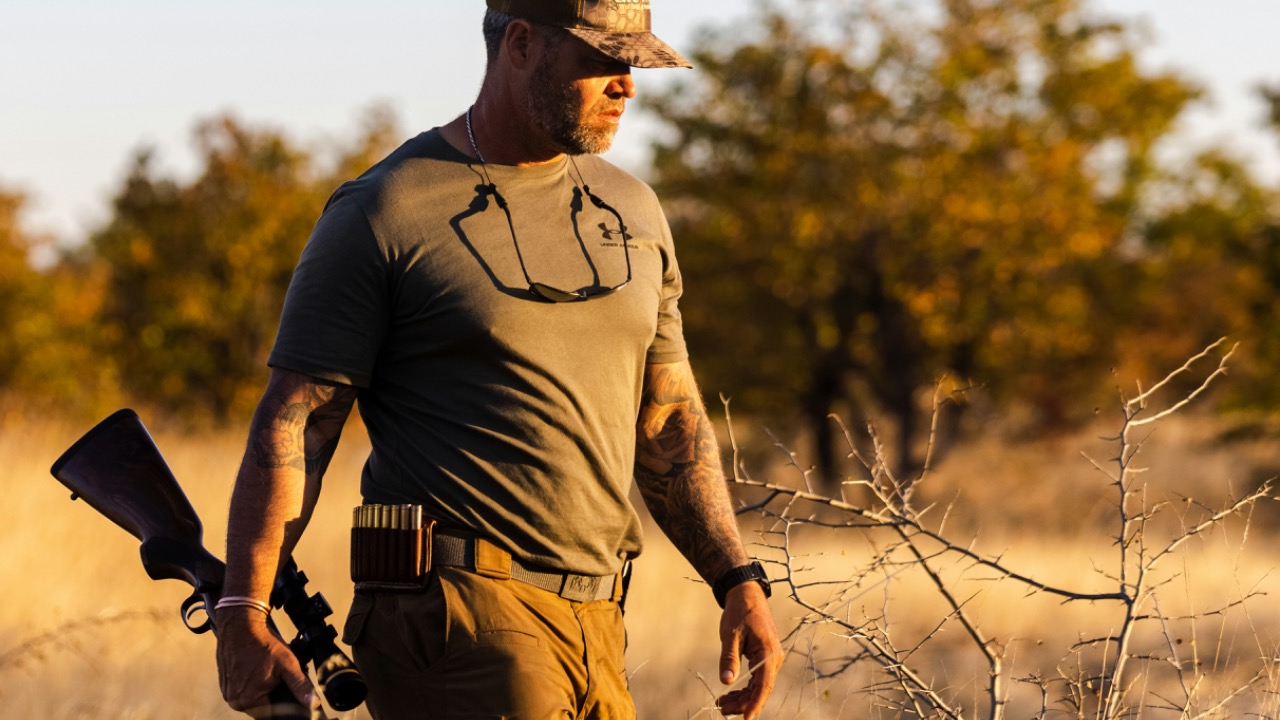
Hunting practices lawmakers are increasingly targeting
Across the country, lawmakers are picking apart the hunting rulebook, zeroing in on specific practices they see as out of step with modern views on wildlife and access. Predator contests, motorized chases, lead ammo, Sunday bans, even how federal refuges are managed are all under the microscope. If you hunt, trap, or fish, you are watching a slow but steady reshaping of what is legal in the field.
I have spent enough seasons following both game trails and committee hearings to know these fights are not abstract. They decide whether a coyote derby offers cash prizes, whether you can carry lead bullets on a refuge, and whether a kid with only Sundays free can legally sit in a deer stand. The pressure is coming from every direction, and the practices lawmakers are targeting now will define what hunting looks like for the next generation.
Predator killing contests are in the crosshairs
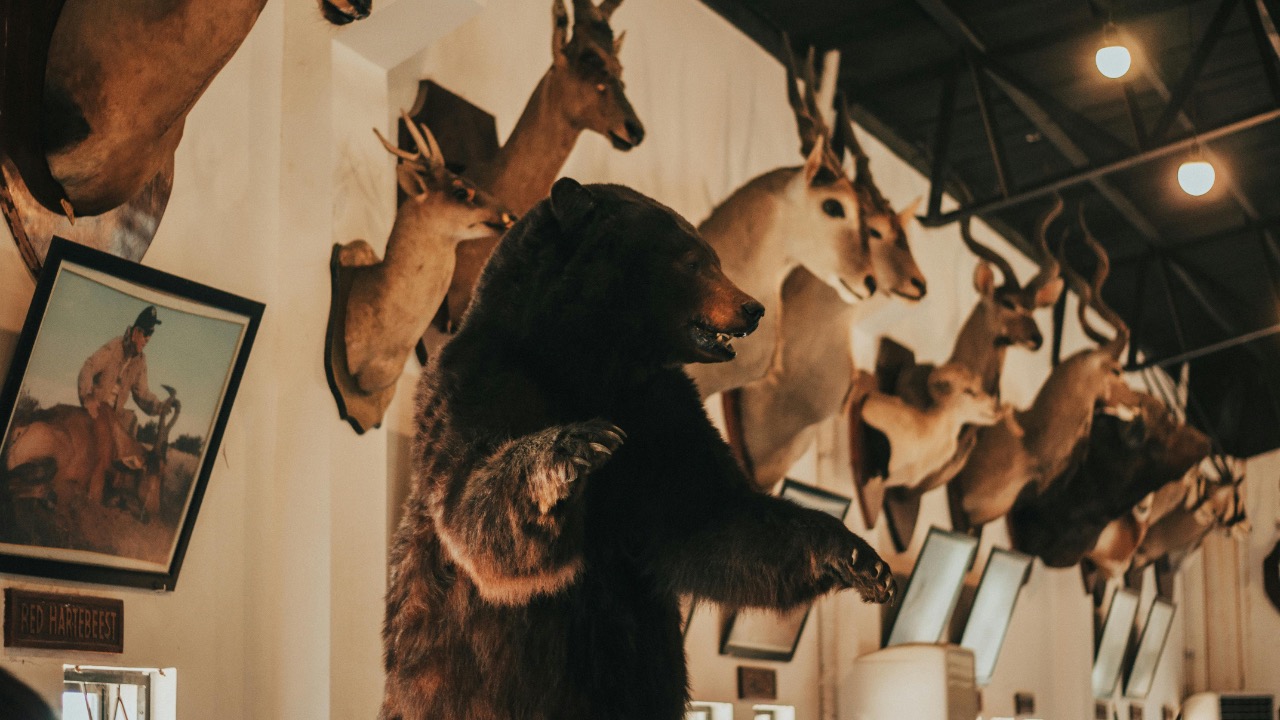
The clearest trend is the political backlash against organized predator killing contests. These events pay out prizes for stacking up animals that are often labeled “nuisance” species, especially coyotes and foxes. Reporting on these contests notes that they can kill tens of thousands of coyotes, foxes, squirrels, and other animals each year, with organizers treating the carcasses as proof of a successful weekend rather than as meat or fur headed for use. That scale of killing, paired with photos of piles of dead animals, has given opponents an easy target and a simple argument that the contests damage the public image of hunting as fair chase.
Several states have already moved to ban or sharply limit these events, and more are debating similar bills. One detailed account of these efforts describes how such contests kill tens of thousands of animals each year and have triggered a wave of proposals to end cash and gear prizes for “nuisance” species, especially Such contests focused on coyotes. Another report tracks how lawmakers in multiple regions are weighing bans that would still allow predator hunting for management but cut off the competitive angle that critics say turns wildlife into disposable targets, a push that has been especially visible in debates over Coyotes and other predators.
States and cities under pressure, from New York to Oregon
Predator contests and other controversial practices are not confined to one part of the map, and neither is the political pressure. Large, politically blue states have become early battlegrounds, with advocates pushing for tighter rules and opponents warning about a slow squeeze on hunting culture. In the Northeast, debates over wildlife contests, trapping, and urban deer control have landed squarely in statehouses and city councils, with lawmakers in places like New York weighing how far to go in reshaping long standing predator control traditions.
Out West, the conversation looks different but the stakes are similar. Rural counties and ranching communities argue that they need flexible tools to deal with predators and overabundant game, while urban voters and national groups push for tighter limits. In the Pacific Northwest, for example, officials and advocates in Oregon are part of a broader regional debate over how aggressively to regulate predator hunts and contests. Similar tensions show up in Midwestern states like Illinois, where dense urban centers and rural farm country often see wildlife policy very differently, and in coastal states such as Massachusetts, where ballot measures and legislative proposals have repeatedly targeted specific hunting methods.
New Jersey, Connecticut, and Pennsylvania show how messy the politics get
Some of the most tangled fights are playing out in the corridor from New England through the Mid Atlantic, where dense populations and strong advocacy networks collide with deep hunting traditions. Lawmakers in New Jersey have been pulled between suburban voters who want tighter controls on predators and firearms and rural residents who see those same moves as a direct hit on their way of life. One detailed account of predator contest legislation notes that New Jersey lawmakers advanced a contest ban measure through a Senate committee, but the session ended before it could progress further, leaving both sides gearing up to fight the same bill again in the next round of hearings and keeping the Senate debate alive.
Neighboring states are wrestling with similar questions. In New England, hunters in Connecticut and other small states are watching closely as lawmakers consider bills that would tighten restrictions on contests, trapping, and certain predator tactics. To the west, the long running fight over Sunday hunting in Pennsylvania shows how even modest expansions of access can trigger fierce pushback from groups that want to keep one day a week free of gunfire in the woods. For hunters, the lesson is simple: the details of these bills matter, and the politics can shift quickly from one session to the next.
Sunday hunting bans and access fights are being rewritten
While some lawmakers are trying to clamp down on specific practices, others are working to expand when and where people can hunt. One of the biggest access fights involves old “blue laws” that restrict hunting on Sundays. A detailed review of these efforts notes that, Across the country, lawmakers are revisiting longstanding Sunday bans that were Initially rooted in religious tradition, with some states opening limited Sunday seasons and others considering full repeal to modernize access for hunters who only have weekends free. That same reporting points out that these Sunday debates are often wrapped into broader efforts to modernize hunting access, including youth seasons and public land opportunities, as part of a push that has spread across multiple regions Across the map.
These access fights are not happening in a vacuum. Groups that track hunting and conservation legislation, such as the policy resource described as Tracking the Capitols, show that Sunday hunting bills often move alongside proposals on shooting ranges, trapping, and predator control. For working families, especially in states with short firearms seasons, the ability to hunt on Sundays can be the difference between getting a deer in the freezer and eating tag soup. For landowners and some non hunting groups, Sunday bans are seen as a rare quiet day in the woods. That tension is why Sunday hunting remains one of the most emotionally charged access issues on the docket.
Motorized chases and snowmobile wolf hunts face federal scrutiny
Another practice drawing fire is the use of motorized vehicles to chase and kill predators, especially wolves. A new federal proposal has put a spotlight on snowmobile assisted wolf hunts, which critics argue cross the line from fair chase into mechanized killing. One widely shared briefing describes how a new bill introduced in the U.S. House of Representatives would ban the use of snowmobiles to pursue and kill wolves and other wildlife, setting clear prohibitions on motorized killing and forcing states that allow those tactics to rethink their regulations if the bill passes the House of Representatives.
At the same time, state level wolf management remains politically explosive. Earlier coverage of wolf seasons highlighted how Republican lawmakers and hunting groups pushed states to ease policies after federal protections shifted, with one account noting that Wolf hunting on the rise led to harvests that in some cases were twice as many as planned as Republicans argued for more aggressive control of Wolves in the name of livestock protection and big game management, a fight that played out squarely in POLITICS. More recently, wildlife officials in the Northern Rockies have proposed adjusting wolf harvest quotas as populations remain steady, with FWP outlining plans to increase wolf harvest quotas while arguing that the overall population can sustain higher take. Put together, these moves show that motorized chases and wolf seasons are likely to stay at the center of predator politics for years.
Bear baiting, predator methods, and “animal friendly” rules
Predators are not only controversial when it comes to contests and snowmobiles. Specific methods like bear baiting and certain trapping practices are also under heavy review. A detailed look at “animal friendly” laws notes that, as part of a broader push, there was a Proposed rule to ban Bear baiting in some Alaskan preserves, with the National Park Service explaining in the Federal Register that it wanted to roll back previously expanded predator hunting methods that allowed practices like killing hibernating bears and using bait in areas that many Americans view as pristine Proposed. That same reporting underscores how these rules are framed as protecting iconic Bear populations in Alaskan preserves while still allowing traditional subsistence hunts in some contexts, a balance that has proven hard to strike.
The National Park Service has also moved to rein in some of the most controversial predator methods on federal lands. One update describes how a new National Park Service proposed rule marked a substantial step forward for some of our nation’s most iconic wildlife species, including brown and black bears and wolves, by targeting extremely cruel hunting methods that had been allowed in certain national preserves, a move that advocates framed as a big step in the fight to ban those tactics on federal ground National Park Service. For hunters, these changes mean that methods that might still be legal on state land, like certain predator calling setups or baiting strategies, could be off limits the moment you cross a federal boundary, adding another layer of complexity to planning a trip.
Lead ammunition and tackle: the next big fault line
If there is one gear issue that rivals predator contests for political heat, it is lead ammunition and tackle. Conservationists point to decades of research showing that lead fragments in gut piles and sinkers lost in lakes can poison scavenging birds and other wildlife. The federal government has already taken some steps, and the fight over how far to go is intensifying. One account explains that The Fish and Wildlife Service expanded or opened hunting and fishing opportunities on 16 national wildlife refuges and a hatchery while retaining the status quo on lead ammo, a decision that pleased some hunters but frustrated groups that wanted a faster phaseout of toxic shot and bullets on federal refuges that host large numbers of migratory birds and other sensitive species Fish and Wildlife.
Inside the administration, there is also an effort to nudge hunters toward non toxic options without outright bans. Members of the Hunting and Wildlife Conservation Council have praised a pilot program that would pay hunters to switch to lead free ammunition at national wildlife refuges, with one summary noting that Members of the Hunting and Wildlife Conservation Council lauded their approach to helping craft a pilot program to curb use of lead ammunition at national wildlife refuges by offering financial incentives to hunters who go unleaded Members of the. At the same time, industry groups are pushing back hard against broader restrictions. One major trade association has thrown its weight behind a bill it calls a Major Industry Priority, arguing that “In 2023, the Biden administration issued a misguided final rule banning lead ammunition and tackle on eight national wildlife refuges” and warning that such rules could make hunting “only available to the wealthy” if non toxic gear remains more expensive, a line of argument that has become central to the group’s Biden era lobbying.

Asher was raised in the woods and on the water, and it shows. He’s logged more hours behind a rifle and under a heavy pack than most men twice his age.