Hunting rifles that stay accurate even in freezing temps
When temperatures plunge and metal, oil, and plastic all start to behave differently, a hunting rifle either keeps printing tight groups or it quickly exposes its weaknesses. Cold magnifies every design flaw, from stock warping to sluggish firing pins, so the rifles that truly hold zero in deep winter are built with that reality in mind. I am looking at how specific materials, actions, and models are engineered to stay consistent when the mercury drops well below freezing.
The most reliable cold weather rifles combine stable stocks, corrosion resistant metals, and minimalist, well protected actions that shed snow and ice instead of collecting it. From carbon fiber mountain rifles to heavy varmint rigs and purpose built predator guns, the common thread is a focus on rigidity and repeatability rather than flashy features. The models below are not just accurate on a sunny range day, they are designed to keep that accuracy when you are glassing across a wind scoured cutover or calling coyotes on a sub zero night.
Why freezing temperatures wreck accuracy
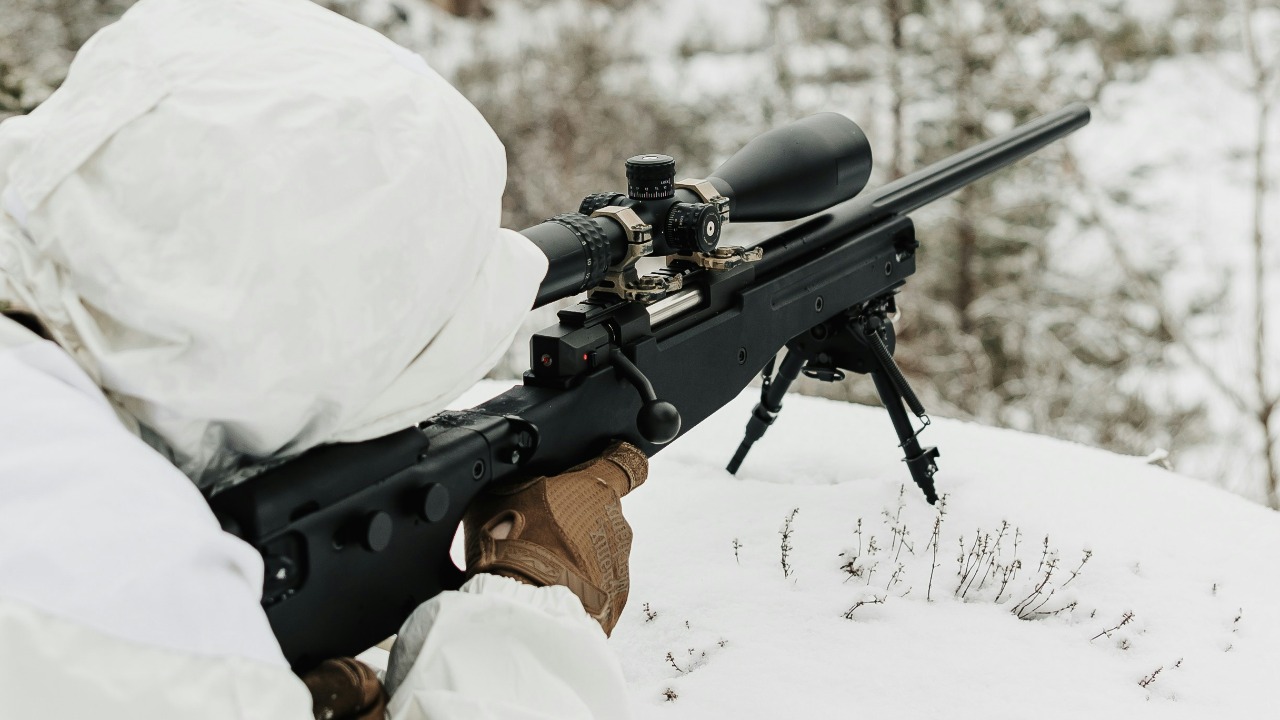
Cold weather does not just make you shiver, it changes the physical dimensions of your rifle and ammunition. Metal contracts, lubricants thicken, and traditional wood stocks can swell or shrink as humidity and temperature swing, all of which can shift your point of impact by several inches at typical big game distances. When a rifle is not built to manage those changes, the result is wandering zero, erratic groups, and misfires at exactly the moment you need a clean shot.
Manufacturers that take winter seriously design around these physics problems from the start, using rigid stocks, corrosion resistant barrels, and actions that cycle cleanly even when coated in frost. That is the premise behind the winter focused builds highlighted by Christensen Arms, which describes how its hunting rifles are tuned for harsh conditions in a detailed look at best rifles for snow, wind, and sub zero hunts. The goal is not to beat the laws of thermodynamics, it is to choose materials and tolerances that keep those effects small enough that your zero effectively does not move.
Stock materials that stay stable in the cold
Historically, wood was the default stock material, and a nicely figured walnut rifle still has real appeal in a deer camp. The problem is that wood is hygroscopic and relatively soft, so it responds to moisture and temperature by expanding, contracting, and sometimes warping, which can change how the action is bedded and how the barrel is supported. That movement might be subtle, but in freezing rain or a week of snow it can be enough to open up groups or shift impact, especially on a light contour barrel.
Modern synthetic and hybrid stocks are designed to avoid those swings by using fiberglass, carbon fiber, and aluminum bedding blocks that resist environmental changes and keep the barreled action locked in place. One stock maker explains that, Historically wood was the go to material, However modern designs deliberately minimize sensitivity to moisture and temperature changes. For a hunter who expects to sit in a blowing snowstorm or strap a rifle to a sled, that kind of dimensional stability is the foundation of cold weather accuracy.
Christensen Arms and the carbon fiber approach
One of the clearest examples of a winter focused design philosophy comes from Christensen Arms, which leans heavily on carbon fiber to keep rifles light, rigid, and consistent in bad weather. In its own breakdown of How Christensen Arms Builds the Best Rifles for Harsh Winter Conditions, the company describes wrapping steel barrels in carbon to improve stiffness and heat dissipation while cutting weight, a combination that helps maintain point of impact as temperatures swing. Carbon fiber stocks and handguards also resist the swelling and shrinking that can plague wood or cheaper plastics, so the action stays bedded and the barrel remains free floated even after days of exposure.
That approach matters when you are hiking into steep country or still hunting through deep snow, where every ounce on your shoulder adds up but you cannot afford a flimsy, whippy barrel. By pairing carbon wrapped barrels with stainless actions and weather resistant coatings, Christensen Arms is effectively building rifles that treat freezing rain and blowing sleet as normal operating conditions rather than edge cases. For hunters who chase late season elk, high country mule deer, or winter caribou, that combination of low weight and structural rigidity is a practical way to keep cold induced flyers out of the group.
Browning X-Bolt Pro and other extreme-condition deer rifles
Not every hunter wants a carbon fiber showpiece, and some of the most winter capable rifles look more traditional at first glance. Browning’s X-Bolt line is a good example, with the X-Bolt Pro positioned as a bridge between full custom builds and mass market guns. New for its launch run, the X-Bolt Pro was described as a rifle that fills the gap between custom and production, with a fluted barrel, protective finishes, and a stock that is designed for stability and rigidity, all of which are traits that help a rifle shrug off sleet and freezing fog without losing zero, according to coverage of the Bolt Pro.
Those design choices matter in real world deer seasons that often start mild and end in bitter cold, with rifles riding in truck racks, banging against tree stands, and going from warm cabins to icy blinds. A rigid synthetic stock, corrosion resistant barrel, and smooth bolt that still cycles when dusted with snow are not luxuries in that context, they are the difference between a confident shot at last light and a missed opportunity. When I look at the X-Bolt Pro and similar extreme condition deer rifles, the common thread is a focus on structural stiffness and weatherproofing rather than ornate checkering or gloss finishes.
Predator rifles built for sub-zero nights
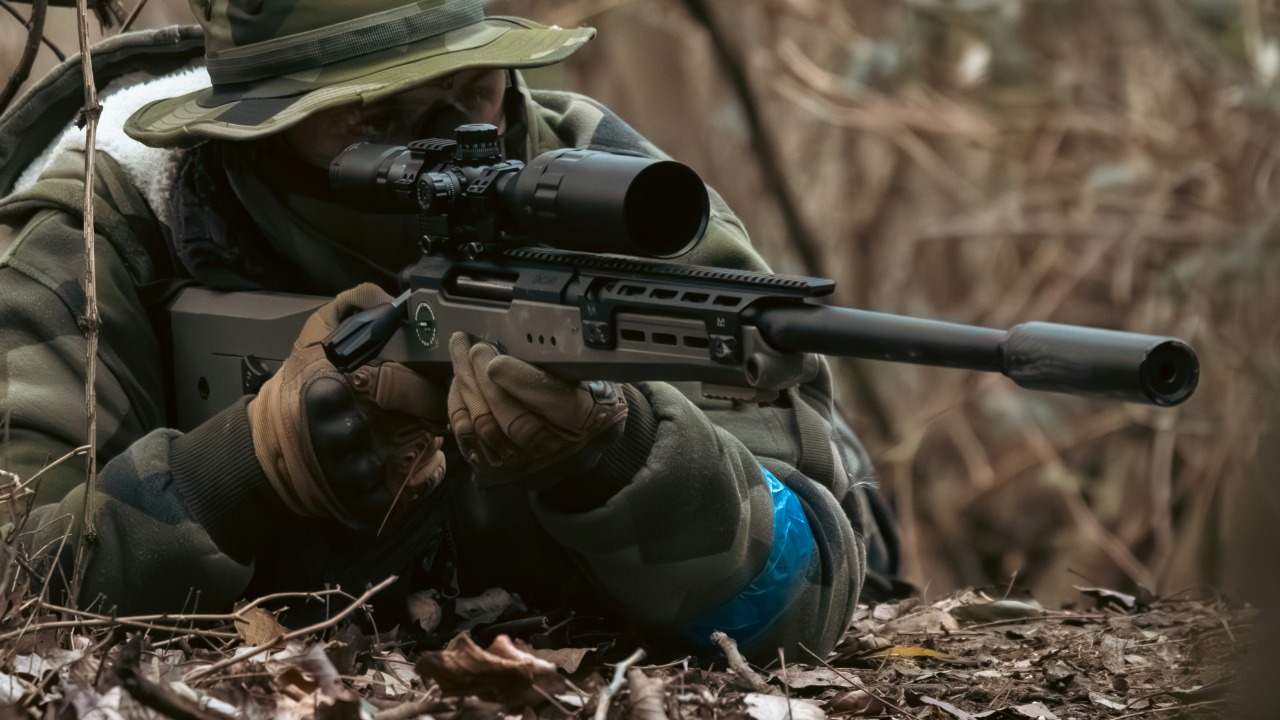
Predator hunters push gear into some of the harshest conditions, often calling coyotes or foxes at night when temperatures are at their lowest and condensation from breath and snow can freeze on metal surfaces. In that environment, a rifle has to do more than group well on paper, it has to cycle smoothly and fire reliably when every moving part is cold soaked. Savage Arms highlights this reality in its discussion of winter predator tactics, pointing to the 110 Predator, a bolt action rifle built with hunters in mind, featuring an adjustable AccuFit stock for a custom fit and an action tuned for precision and reliability even in freezing conditions.
That combination of ergonomic adjustability and mechanical robustness is especially important when you are layered in bulky clothing and gloves, trying to manage recoil and maintain a consistent cheek weld in the dark. A stock like the 110 Predator’s that can be tailored to length of pull and comb height helps keep your eye aligned with optics despite heavy jackets, while a simple, strong bolt design resists icing and dirt. For hunters who spend long nights on stand in midwinter, rifles in this category are proof that cold weather accuracy is as much about fit and function as it is about raw benchrest precision.
Heavy varmint rigs that ignore the thermometer
While mountain rifles chase ounces, there is another class of cold capable guns that embrace weight as an ally, especially for varmint and target work. Heavier barrels and stocks take longer to change temperature, which can smooth out the impact of sudden cold snaps or rapid strings of fire on point of impact. In a comparative look at centerfire bolt actions, one test panel singled out the Tikka T3X Varmint as the most accurate rifle and perhaps the most versatile in its lineup, praising the Tikka T3X Varmint for its consistency and shootability across conditions, as noted in a review of Tikka options.
Rifles like the T3X Varmint and similar heavy barrel designs are not ideal for long hikes through deep snow, but they excel when you can set up on a stand, a hay bale, or a truck hood and let the rifle’s mass soak up recoil and temperature swings. The thick barrel profile resists warping as it cools or heats, and the added weight in the stock helps the rifle settle into bags or bipods for repeatable shot placement. For winter prairie dog shoots, long range steel, or stationary predator sets, that kind of stability can matter more than a pound or two on the scale.
All-weather big-game workhorses
Between ultralight carbons and bench heavy varmint rigs sits a broad middle of all weather big game rifles that are built to handle everything from early season heat to late season blizzards. The Bergara B-14 Hunter is a representative example, offered in a dozen varieties of finish and chambered in seven of the most popular big game hunting calibers, with the B-14 Hunter described as a hunting rifle that is at home in climates from blazing heat to sub zero cold, according to product details for the Offered Hunter.
That kind of versatility comes from pairing a solid, weather resistant stock with a smooth action and barrels that are properly stress relieved so they do not walk shots as temperatures change. Hunters who might chase antelope in shirt sleeves one month and elk in driving snow the next need a rifle that does not care which season it is, and the B-14 Hunter’s design reflects that requirement. It is not a specialist in any one niche, but its ability to maintain accuracy across a wide range of climates makes it a practical choice for anyone who hunts multiple tags and seasons with a single rifle.
Long-range rigs that track through temperature swings
Long range hunting and shooting magnify every small variable, and temperature is one of the biggest. A rifle that shifts half an inch at 100 yards as the barrel cools or the stock swells can miss by feet at 800 yards, which is why precision oriented hunting rifles are increasingly built with extreme temperature stability in mind. A good example is the Winchester Model 70 Long Range MB, described as a precision minded variant of the rifleman’s rifle, with a Bell and Carlson Ex stock that is engineered to maintain its geometry and bedding through a drastic range of temperatures and weather conditions, according to a profile of the Winchester Model 70 Long Range MB.
By combining that kind of rigid stock with a controlled round feed action and quality barrel, the Model 70 Long Range MB is built to keep its dope valid whether you are shooting in a summer field or a winter canyon. For hunters who dial turrets and rely on ballistic calculators, knowing that the rifle itself is not adding unexplained vertical or horizontal shift as the weather changes is critical. In my view, rifles in this category show how far manufacturers have come in treating temperature stability as a core design metric rather than an afterthought, which ultimately gives hunters more confidence when they stretch the distance in less than ideal conditions.

Leo’s been tracking game and tuning gear since he could stand upright. He’s sharp, driven, and knows how to keep things running when conditions turn.