ICE agents tackle New York teenager, split his head open and leave him bleeding; officers later admit they had wrong person
When you keep up with local news in New York, certain incidents cut through the noise and force you to pause. One unfolded recently in the Norwood section of the Bronx, where a 19-year-old walked near a familiar barber shop on a Wednesday afternoon. What started as an ordinary errand ended with federal agents tackling him, drawing guns, and leaving him with a bleeding head wound. He turned 20 the next day. The agents later realized they had the wrong person and released him at a park, still injured and alone. The event, captured on multiple videos, has sparked fresh debate about how immigration enforcement plays out on city streets.
A Quiet Afternoon Turns Chaotic in Norwood
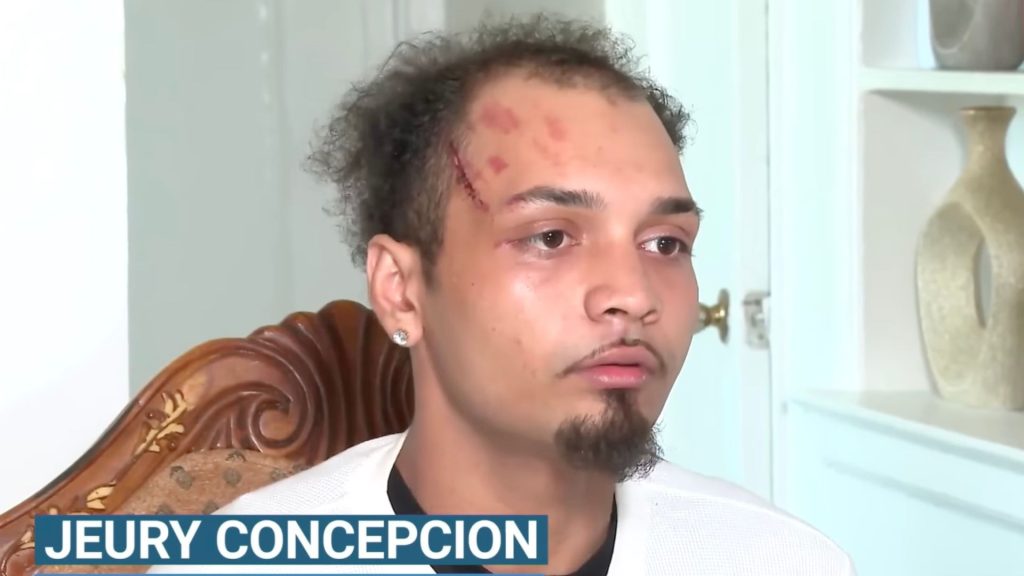
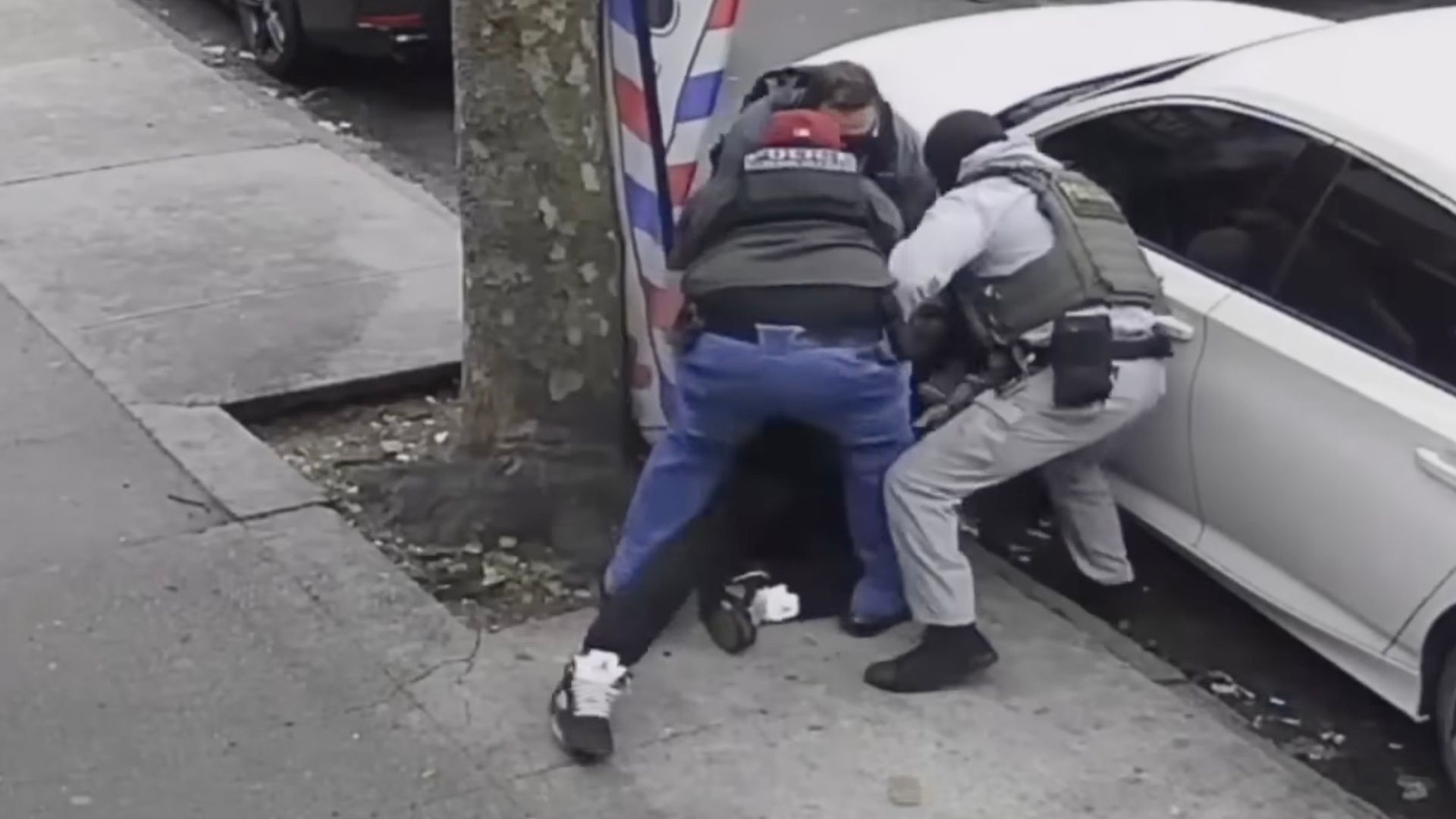
You picture the scene along Hull Avenue near East Gun Hill Road on May 6. Jeury Concepcion stood outside the barber shop with friends, heading in for a haircut ahead of his birthday. Agents from ICE approached without clear identification at first, according to his account. One video shows an agent running with a gun drawn. They ordered him to stop, then took him to the ground in a tackle that split open the right side of his head. Blood began to flow as they handcuffed him and pressed him against a car before loading him into their vehicle. Neighbors watched it all happen in broad daylight.
The operation formed part of a targeted enforcement action in the area. Concepcion later described feeling sudden hands on him and guns pointed while his back was turned. He suffered a gash that needed stitches and a concussion. The agents moved quickly, but the physical toll lingered long after they drove away. Community members who know him as the kid who plays basketball in the park found the violence hard to square with the moment.
The Young Man Caught in the Middle
Concepcion grew up in the Bronx, a U.S. citizen born and raised right here in the city. His family describes him as someone who stays out of trouble and looks forward to simple things like a fresh haircut. On that afternoon he had no reason to expect federal agents would single him out. He matched the physical description of someone else they sought outside a nearby residence, according to the Department of Homeland Security. Yet he insists the agents never clearly announced who they were before the confrontation escalated.
His grandmother later picked him up and rushed him to the hospital. The experience left him shaken. He recalled agents apologizing once they checked his identification inside the vehicle, telling him they had confused him with another person and that it would never happen again. Still, the injury and the fear stayed with him. For a young man who had never faced anything like this, the encounter raised immediate questions about recognition and force.
Captured on Video for Everyone to See
Cellphone recordings and security footage from the block show the sequence in stark detail. You watch agents chase the group, one pulling a firearm while others close in. The takedown happens fast, Concepcion hitting the sidewalk hard enough to draw blood. Handcuffed and lifted, he appears dazed as the wound streams down his face. Agents escort him into their unmarked vehicle and pull away. Witnesses filmed every stage, from the initial approach to the moment they drove off with him inside.
Those videos spread quickly online and reached local officials. They capture the chaos of the moment and the visible injury. No one disputes the physical contact or the blood. The footage also shows bystanders reacting, some gathering nearby as the agents worked. What the clips cannot show is the conversation inside the vehicle, but Concepcion’s later description fills in that part.
Inside the Vehicle Where the Mistake Comes to Light
Once in the car, the agents asked Concepcion for his phone and identification. That check revealed the error. He reported one agent expressing regret, saying they had mixed him up with someone else and promising it would not repeat. The tone shifted from enforcement to acknowledgment. They kept him only long enough to confirm his identity, then decided to release him rather than continue any hold.
DHS later stated the stop involved a targeted operation and that the individual became combative and initially refused to identify himself. They emphasized officers completed questioning and released him promptly once they verified he was not the target. Concepcion, however, focused on the lack of clear identification at the start and the force used before any dialogue. The brief detention ended without charges, but the injury remained real.
Dropped Off and Left to Deal with the Injury
After realizing the mistake, agents drove Concepcion to an unfamiliar park and let him out. He stood there bleeding, still processing what had happened. No immediate medical help came from them. He called family, and his grandmother arrived to take him for treatment. Stitches closed the gash on his head, and doctors noted a concussion. The drop-off left him disoriented and far from home at first.
This part of the story struck many observers as particularly cold. He had cooperated once inside the vehicle, yet the agents chose a park rather than returning him to the original spot or ensuring care. His family expressed disbelief that a U.S. citizen could end up injured and abandoned in this way. The release happened quickly, but recovery would take longer.
Voices from the Neighborhood Speak Out
Residents in Norwood know Concepcion as a local guy who keeps to himself and plays ball nearby. Barbershop workers and neighbors described their shock at seeing him tackled so aggressively. Some posted signs around the area with tips on spotting federal agents and sharing alerts. The incident fed into existing worries about enforcement tactics in immigrant-heavy parts of the city. People who watched the videos felt it could have been anyone matching a vague description.
Community members called for clearer rules on identification and force. They pointed out that aggressive approaches create fear even when the target turns out innocent. For a tight-knit block where everyone recognizes the good kids, the event felt like a breach of trust. Conversations in the days afterward mixed anger with calls for accountability.
Federal Agents Offer Their Perspective
DHS pushed back against claims of mistaken arrests of citizens. Officials described the May 6 operation as highly targeted, with agents approaching someone who fit the physical profile of a wanted individual right outside the residence. They said the person grew combative and would not identify himself at first, prompting the physical response and temporary detention. Once questioning finished and identity cleared, agents released him and moved on to another nearby location.
The agency stressed that no U.S. citizen was arrested by mistake in this case. They framed the encounter as standard procedure under the circumstances, including a gathering crowd they called anti-ICE agitators. This account differs from Concepcion’s in emphasis, yet both sides agree the detention ended quickly once the error surfaced. The statement aimed to reassure the public that operations follow due diligence.
A Congressman Pushes for Answers
Representative Ritchie Torres, whose district includes the Bronx, reviewed the videos and wrote to the Department of Homeland Security inspector general. He described the footage as showing grotesque actions, including an agent pointing a firearm at the group from behind. Torres highlighted the visible head injury and questioned whether agents had lawful basis for the stop and the level of force. He requested a full investigation by May 22.
The congressman noted the pattern of aggressive tactics in the area and called for transparency. His letter urged a thorough look into the unjust detention based on mistaken identity. Local leaders and attorneys echoed concerns about racial profiling risks and the need for better safeguards. The push for review keeps the spotlight on how federal operations balance enforcement with resident safety.

Asher was raised in the woods and on the water, and it shows. He’s logged more hours behind a rifle and under a heavy pack than most men twice his age.