Investigation Examines Claims That Some Sober Drivers Were Arrested for DUI
Across the United States, a growing body of cases suggests some drivers who had no alcohol or drugs in their system were still arrested and charged with DUI. The emerging pattern raises basic questions about how officers judge impairment on the roadside and what happens when those judgments are wrong.
Investigators have identified sober motorists taken to jail in at least 22 states, along with thousands of similar arrests in Tennessee alone, where lab tests later cleared the drivers. The unfolding scrutiny now centers on whether flawed testing, aggressive enforcement, or individual misconduct is pushing the limits of DUI laws that were designed to protect the public, not ensnare the innocent.
From Isolated Complaints to a National Pattern
For years, complaints from drivers who insisted they were sober after a DUI arrest were often dismissed as excuses. That narrative shifted once a multi-state review of court files and toxicology reports showed that sober drivers had been arrested for DUI across 22 states, with blood tests later confirming no alcohol or drugs in their systems. The cases cut across geography and demographics, suggesting the problem is not confined to one jurisdiction or type of driver but reflects deeper structural issues in how impairment is assessed on the roadside.
In many of these incidents, the moment of truth came weeks or months after the traffic stop, when lab results contradicted the officer’s observations that had justified the arrest. The investigation into sober drivers arrested described how those clean toxicology reports forced prosecutors to drop charges, yet the arrests still left behind mugshots, legal bills, and in some cases job consequences. What initially looked like isolated errors now appears as a recurring pattern that courts and lawmakers are being pressed to confront.
Tennessee’s “Sobering Problem” and the 2,547 People Figure
No state has been scrutinized more closely than Tennessee, where internal data show that thousands of people were taken into custody on suspicion of DUI even though later testing found no alcohol or drugs. Revised figures from state authorities acknowledged that 2,547 people had been arrested for DUI with no intoxicants in their system since 2017, a total that was significantly higher than earlier disclosures. The revelation suggested that the scale of the issue had been masked by incomplete reporting and jolted both defense attorneys and legislators who had relied on the earlier numbers.
Officials in NASHVILLE, Tenn responded by explaining how earlier data had undercounted these so-called sober DUI cases and by promising more accurate tracking. The updated tally, described as Revised DUI figures, confirmed that thousands of drivers who were legally sober had still been processed through the criminal system. Advocacy groups in Tennessee seized on the 2,547 people number as evidence that the problem was systemic, not anecdotal, and began calling for new training standards and independent reviews of contested arrests.
One Trooper, 41 Arrests, and a Courtroom Reckoning
The most dramatic example of the controversy centers on a single Tennessee state trooper whose DUI cases collapsed once judges and prosecutors examined the evidence more closely. In that episode, 41 DUI arrests made by one trooper were tossed out after defense attorneys and state officials reviewed video, reports, and lab results that did not match the officer’s descriptions of impairment. The mass dismissal shook confidence in how some officers were using their discretion and raised questions about whether similar patterns might exist in other agencies that had not yet been audited.
Coverage of the case described how more than 50% of the drivers that trooper arrested were later found to be sober, a rate that far exceeded what supervisors would expect from a typical DUI enforcement record. One account of the 41 tossed cases quoted critics who bluntly called the situation corruption and warned that when innocent people are pulled into the system under the banner of DUI, public safety and trust erode. The same reporting, which laid out how 41 DUI arrestsunraveled, also noted that the officer’s conduct had become part of a broader legislative debate over training, supervision, and transparency for traffic enforcement units.
Why Courts Tossed 41 Cases and What Lawmakers Heard
Inside the courtroom, judges reviewing those 41 arrests were confronted with a stark mismatch between the trooper’s written descriptions and the objective evidence. Defense lawyers pointed to dashboard and body camera footage that showed drivers walking steadily, speaking clearly, and performing field tests without obvious difficulty, even as reports described them as heavily impaired. When lab results later confirmed no alcohol or drugs, prosecutors moved to dismiss, and judges agreed that the cases could not stand.
The fallout reached the statehouse, where lawmakers pressed enforcement leaders about how such a pattern had gone undetected. In testimony that referenced the trooper’s record, one official acknowledged that more than 50% of the drivers Pearl arrested were ultimately found to be sober, a statistic cited in a detailed account of how Feb hearings unfolded. Lawmakers were told that such an outlier record should have triggered internal reviews much earlier, and several signaled support for automated flagging systems that would alert supervisors when an officer’s DUI arrest rate or dismissal rate strays far from the norm.
Field Sobriety Tests and the 49.2% False Positive Problem
Beyond individual officers, the tools used to judge impairment are facing renewed scrutiny, particularly the roadside exercises that have become a staple of DUI enforcement. In controlled research cited by investigators, Officers determined that 49.2% of people given placebos failed the field sobriety tests, even though they had no alcohol in their system. That figure suggests that nearly half of completely sober participants could be judged impaired based solely on their performance in these subjective assessments, especially under stressful roadside conditions.
The study, which examined 184 people under the supervision of the National Highway Traffic Safety Administration and the Southern California Research Institute, highlights how easily normal balance issues, nervousness, or physical limitations can be misread as signs of intoxication. When those tests are used as the primary basis for arrest, the 49.2% false positive rate becomes more than an academic concern and instead looks like a built-in risk for wrongful charges. Investigative coverage of field test failures has fueled calls for agencies to rely more heavily on objective tools such as calibrated breathalyzers and timely blood draws, rather than subjective observations alone.
A Sober Man, a Small Town, and an Officer Under Investigation
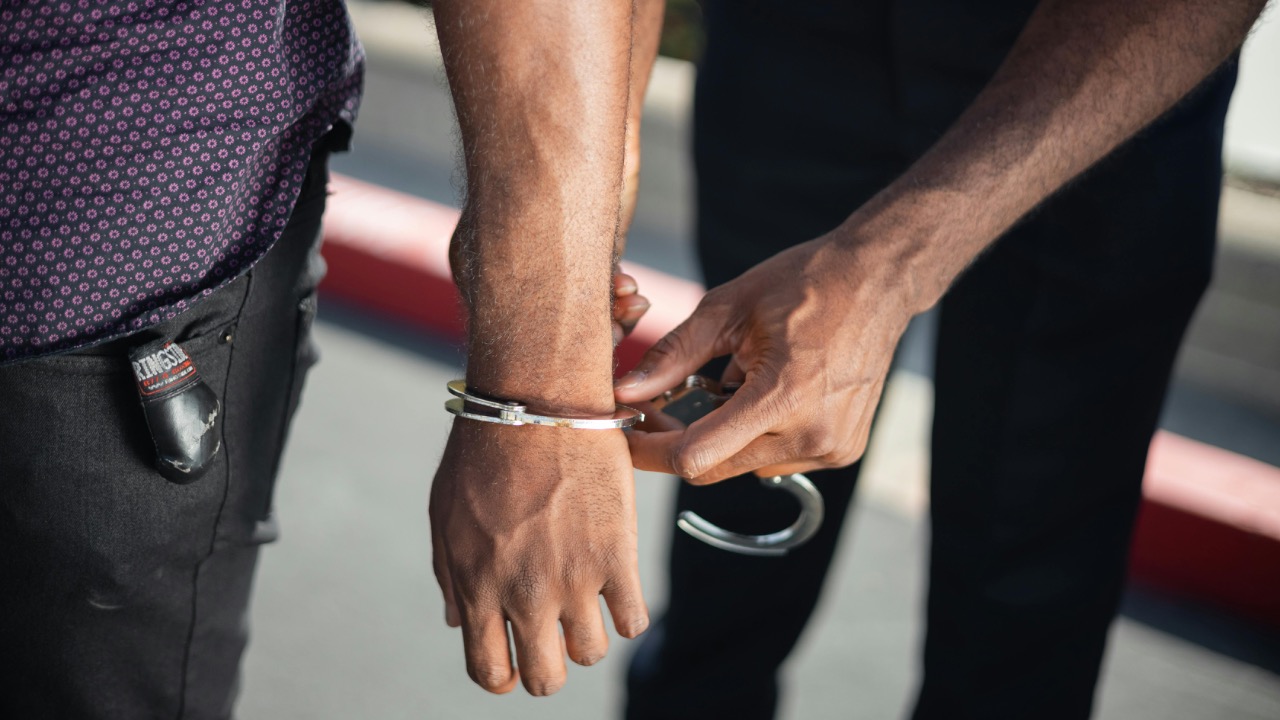
The national numbers are abstract until they are viewed through the experience of a single driver, as happened in Rockmart, Georgia, where a man who insisted he was sober ended up in handcuffs and facing a DUI charge. His arrest prompted local scrutiny because he was adamant that he had consumed no alcohol and because subsequent testing supported his claim. The case did not fade quietly; instead, it triggered an internal investigation into the officer who made the arrest and into the procedures that allowed the charge to proceed despite conflicting evidence.
Rockmart Police Chief Randy Turner publicly addressed the incident and stressed that there are always several breathalyzers on each shift, implicitly questioning why the arresting officer had not produced a clear reading at the scene. The officer, identified as Maguire, now faces questions about how he interpreted the driver’s behavior and why he concluded that a DUI charge was warranted in the absence of corroborating test results. Coverage of the Rockmart casenoted that the driver’s insistence on his own sobriety, combined with the eventual lab findings, forced the department to examine whether Maguire followed policy or allowed bias to shape his decision.
How Media Investigations Pushed Agencies to Recount the Numbers
The scale of sober DUI arrests in Tennessee did not come to light through routine reporting; instead, it emerged after a series of investigative projects that pressed state agencies for more detailed data. One of those efforts, launched in 2022 and referred to as a sobering problem investigation, examined thousands of cases and highlighted the stories of drivers who were cleared by lab tests but still carried the stigma of a DUI arrest. That work eventually contributed to a Regional Edward R. Murrow Award and, more importantly, to legislative pressure for better disclosure of arrest outcomes.
Earlier this year, another review by FOX 17 Investigates found that the number of sober DUI arrests since 2017 was at least four times higher than previously disclosed. The updated total of 2,547 sober DUI TN arrests since 2017 was later confirmed by state officials and linked to a new law that required more transparent reporting of arrest data and case dispositions. Coverage of the Jan FOX Investigates findings explained how the earlier undercount had obscured the true scale of the problem and how the new law aims to prevent similar gaps in the future. The pattern illustrates how sustained media attention can force agencies to revisit their own numbers and acknowledge problems that might otherwise remain buried in internal databases.
Thousands of Sober Drivers and the Human Cost of a DUI Arrest
Behind each statistic is a driver who had to navigate the consequences of a DUI accusation despite being legally sober. In Tennessee alone, at least 2,547 drivers learned the hard way from 2017 to 2023 that a clean toxicology report does not erase the trauma of an arrest, the cost of legal defense, or the risk of job loss. As one account put it, Sadly, as at least 2,547 drivers in Tennessee have learned, a single traffic stop can ripple through a person’s life even when the science later clears them of wrongdoing.
Investigative reporting on how Tennessee troopers arrested for drunk driving has highlighted stories of drivers who spent nights in jail, had their cars impounded, and saw their reputations damaged in their communities. Even when charges were dismissed, online arrest records and social media chatter often lingered. Defense attorneys argue that this human cost should factor into how agencies balance aggressive DUI enforcement with safeguards against wrongful arrests, particularly when the evidence of impairment rests heavily on subjective impressions rather than objective tests.
What Reform Could Look Like, From Training to Technology
The emerging evidence of sober drivers arrested for DUI has prompted a range of proposed reforms that span training, technology, and oversight. Some experts argue that officers should receive more rigorous instruction on the limits of field sobriety tests, including the 49.2% failure rate in placebo studies, and on how medical conditions or disabilities can mimic signs of impairment. Others call for policies that require a breath test or blood draw whenever feasible before a DUI charge is filed, especially in jurisdictions where breathalyzers are already readily available on each shift, as But Rockmart Police Chief Randy Turner described in his own department.
Technology advocates suggest that agencies adopt better data analytics to flag outlier patterns, such as an officer whose dismissal rate or proportion of sober lab results resembles the 41 tossed cases linked to a single trooper. Civil liberties groups, pointing to the national scope of the problem documented in Sober DUI cases, argue for independent review boards that can examine disputed arrests and recommend discipline or retraining when patterns of error emerge. Across these proposals runs a common theme: the need to preserve the lifesaving intent of DUI laws while building stronger safeguards for drivers who are, by every scientific measure, sober.

Leo’s been tracking game and tuning gear since he could stand upright. He’s sharp, driven, and knows how to keep things running when conditions turn.