Iran to reopen stock market after 80-day closure as conflict with US and allies disrupts regional economy
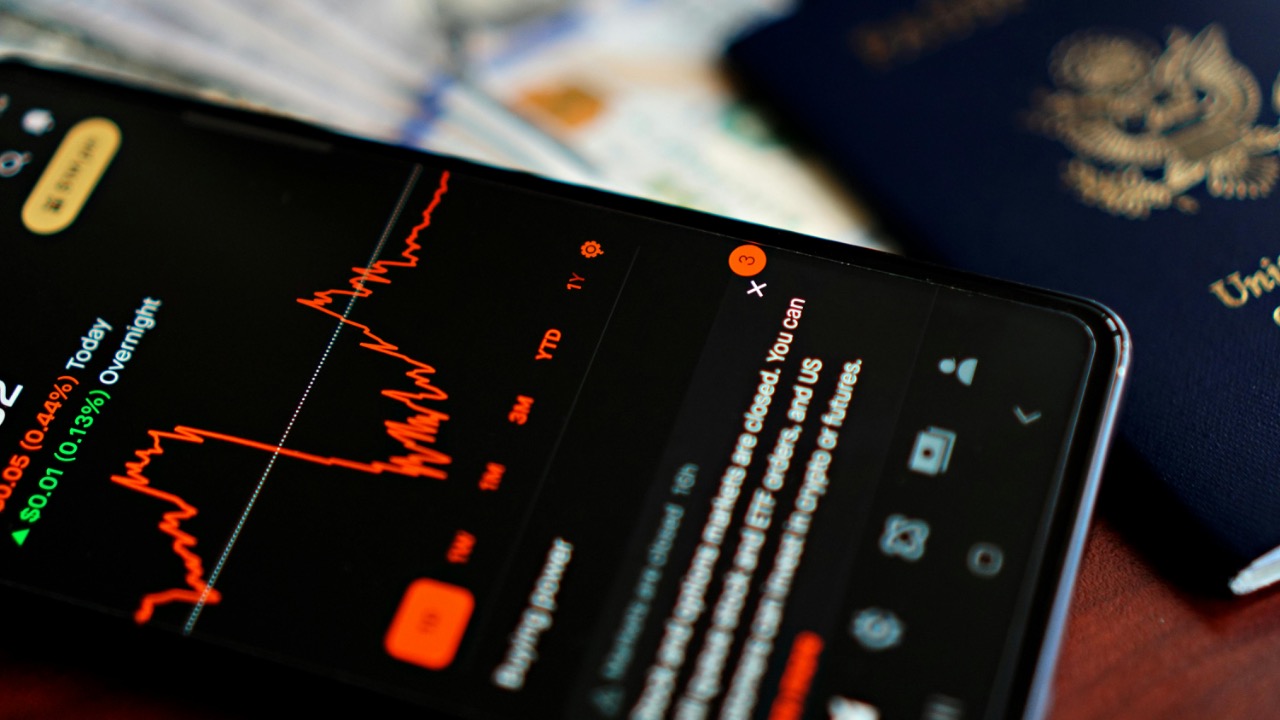
Iran is preparing to reopen its main stock exchange after an 80-day shutdown that coincided with a sharp escalation in fighting with the United States and its allies. The move comes as the conflict spills across borders, disrupts trade routes, and strains already fragile economies from the Gulf to the eastern Mediterranean. Investors inside Iran and across the region are watching closely to see whether trading can resume without triggering a fresh wave of panic selling.
Officials hope the reopening will project a measure of stability after weeks of missile strikes, drone attacks, and maritime incidents that have rattled energy markets and complicated financial flows. Yet the same military pressures that forced the closure still shape the outlook for Iranian assets and the broader regional economy.
What happened
The Tehran Stock Exchange was closed after Iran entered a direct armed confrontation with the United States, following years of proxy clashes and sanctions pressure. The shutdown lasted 80 days and overlapped with some of the most intense exchanges of fire between Iranian forces and United States military assets in the Gulf and Iraq, as well as strikes involving allied groups in Syria and Lebanon. Trading is now scheduled to resume as authorities attempt to restore normal economic activity while the conflict continues.
During the closure, Iran’s financial authorities focused on capital controls and currency management rather than market pricing. The rial, already weakened by sanctions, came under fresh pressure as the conflict disrupted oil exports and complicated access to foreign currency. Officials sought to stabilize the exchange rate through administrative measures, including tighter limits on hard currency purchases and closer monitoring of cross-border transfers, while equity investors were effectively locked into their positions.
The broader backdrop is a conflict that has spread across multiple fronts. Iranian forces and affiliated armed groups have exchanged fire with United States positions in Iraq and Syria, while naval incidents in the Gulf and the Arabian Sea have raised insurance costs for shipping. According to detailed reporting on the US Iran conflict, the fighting has involved ballistic missiles, drones, and attacks on infrastructure that underpin regional trade.
Inside Iran, the government has portrayed the stock market reopening as a step toward normalizing daily life and demonstrating resilience under pressure. Regulators have signaled that they will use circuit breakers, temporary trading halts, and tighter daily price limits in an effort to manage volatility once orders begin to flow again. Market participants expect heavy selling in sectors directly exposed to sanctions and to the conflict, such as petrochemicals, airlines, and logistics, while some exporters could benefit from a weaker currency.
Why it matters
The decision to restart trading is not just a domestic financial story. Iran’s capital markets sit at the intersection of energy exports, regional banking links, and cross-border investment flows that tie together economies from the Gulf Cooperation Council states to Turkey and Iraq. When the exchange closed, it removed a key price signal for Iranian risk, forcing regional investors to rely on over-the-counter trades, sovereign bond spreads, and currency markets to gauge sentiment.
The 80-day halt also amplified uncertainty for companies that use Tehran listings to raise capital. Firms in sectors such as steel, cement, and automotive manufacturing had to delay planned offerings and shelve expansion projects as they lost access to equity financing. That, in turn, affected suppliers and workers in industrial cities like Isfahan and Tabriz, where factories depend on credit and investor confidence to maintain production.
For neighboring countries, the conflict and the closure combined to create a more opaque and volatile environment. Banks in the United Arab Emirates and Turkey that handle trade settlement for Iranian-linked businesses faced higher compliance risks and fluctuating demand for letters of credit. Shipping companies operating out of ports such as Jebel Ali and Mersin had to adjust routes and schedules as insurance premiums on vessels transiting near Iranian waters rose, feeding through to freight costs for food, fuel, and consumer goods.
Energy markets have been particularly sensitive. Iran’s crude exports, already constrained by United States sanctions, were further disrupted by the fighting and by fears of attacks on tankers or export terminals. Any sustained reduction in Iranian supply tightens conditions for refiners in Asia and Europe, which must source more barrels from producers like Saudi Arabia, Iraq, and Russia. That dynamic has contributed to higher price volatility, which affects budget planning for import-dependent states from Jordan to Pakistan.
The stock market reopening will provide a clearer view of how domestic investors are pricing these risks. If share prices in energy, banking, and industrial firms fall sharply, that would signal expectations of prolonged conflict and deeper economic damage. A more orderly adjustment, by contrast, could indicate that markets see the current confrontation as intense but finite, with room for partial recovery once hostilities ease.
The move also matters politically. Iranian authorities have long used the stock market as a barometer of public confidence in economic management. A chaotic reopening with steep losses could intensify criticism of the government’s handling of both the conflict and the economy. Conversely, a controlled return to trading, even with moderate declines, would support the narrative that the state can shield ordinary investors from the worst effects of external pressure.
What to watch next
The first indicator to monitor is liquidity on the day trading resumes. If volumes surge while prices gap lower, regulators may be forced to trigger repeated halts, which could undermine confidence in the exchange’s ability to function. Thin trading, on the other hand, would suggest that many investors prefer to wait, either because they lack information or because they fear further escalation in the conflict.
Sector performance will be another key metric. Banks and financial institutions, which sit at the heart of sanctions enforcement and currency management, will provide early clues about how the market views Iran’s access to the global financial system. A steep selloff in lenders would point to expectations of tighter restrictions and higher default risk. Energy and petrochemical firms will reflect views on export volumes and pricing power, while consumer-facing companies will reveal how investors see household purchasing power under inflation and currency strain.
Beyond the exchange itself, attention will focus on whether the conflict widens or stabilizes. Any new strikes on oil facilities, ports, or key transport corridors would likely feed directly into Iranian equity prices and into regional markets that are exposed to trade and energy flows. Moves by the United States and its allies to adjust sanctions, increase military deployments, or pursue diplomatic channels will all shape the risk premium attached to Iranian assets.
Regional spillover will also remain in focus. Gulf stock markets in Riyadh, Doha, and Dubai have already experienced bouts of volatility linked to the fighting and to concerns over shipping through the Strait of Hormuz. If the reopening of Tehran’s exchange reveals severe damage to Iranian corporate balance sheets, investors in neighboring markets may reassess credit exposures, cross-border projects, and joint ventures that depend on Iranian demand.
Foreign portfolio investors, although constrained by sanctions, will study the reopening for signals about longer term reform prospects. Steps such as improved disclosure, more transparent trading rules, and credible commitments to keep markets open through future crises would help rebuild trust. Conversely, the risk that authorities could again suspend trading for extended periods will remain a deterrent for any potential return of international capital once political conditions change.
Domestic sentiment will be critical as well. Retail investors in Iran, many of whom entered the market during earlier rallies when authorities encouraged stock ownership, have already endured sharp swings in valuations. Their reaction to the reopening will influence both short term price dynamics and broader confidence in financial institutions. If households view the exchange as a fair venue where losses and gains reflect real economic conditions, participation can recover over time. If they see it as a policy tool that can be switched off during stress, they may shift savings toward hard currency, gold, or property, which would further weaken the role of formal capital markets in financing growth.

Leo’s been tracking game and tuning gear since he could stand upright. He’s sharp, driven, and knows how to keep things running when conditions turn.