Knives that stay sharp longer than expected
Some knives hold an edge not because of buzzwords on a spec sheet, but because the steel, heat-treat, and geometry work together in real life. “Stays sharp longer than expected” isn’t about mythical performance — it’s about a tool that cuts through wood, rope, hide, and pack straps day after day without begging for a stone or steel. Those are the knives you reach for without hesitation because you know they’ll still bite when you need them to.
These blades resist rolling, chipping, and premature dulling without demanding constant touch-ups. They don’t feel sharp once — they stay sharp through real work.
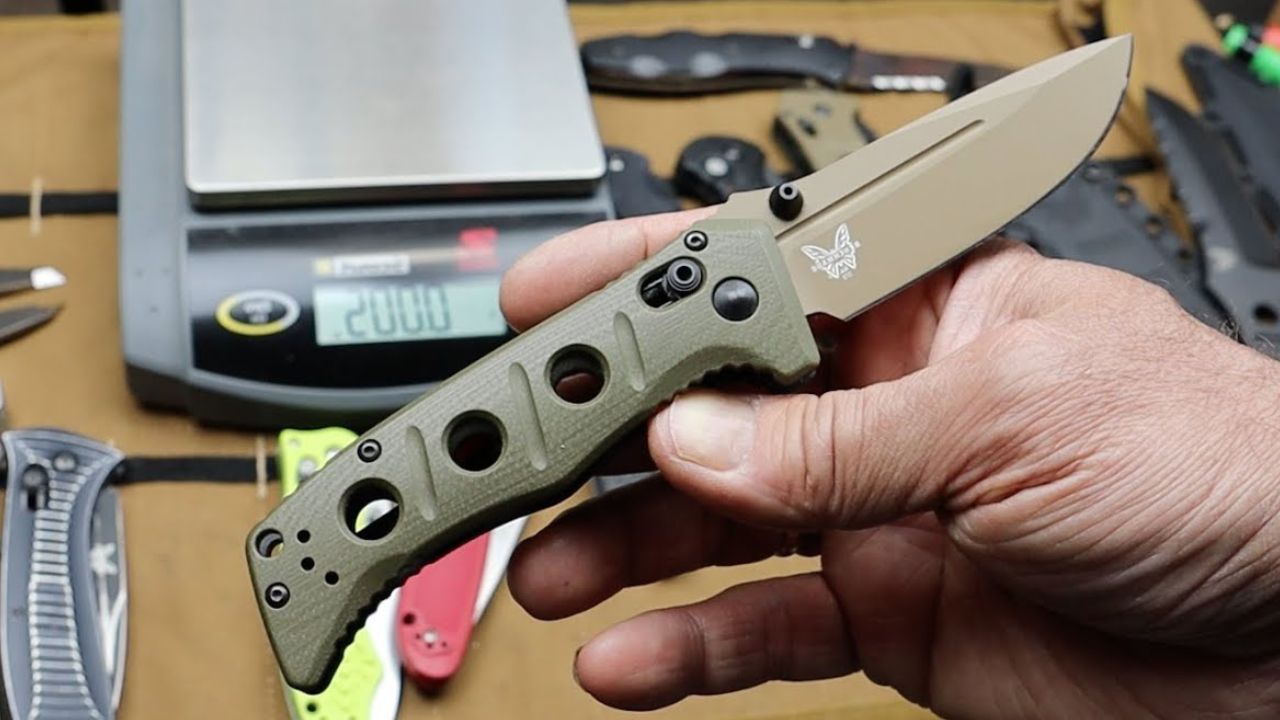
Benchmade Adamas
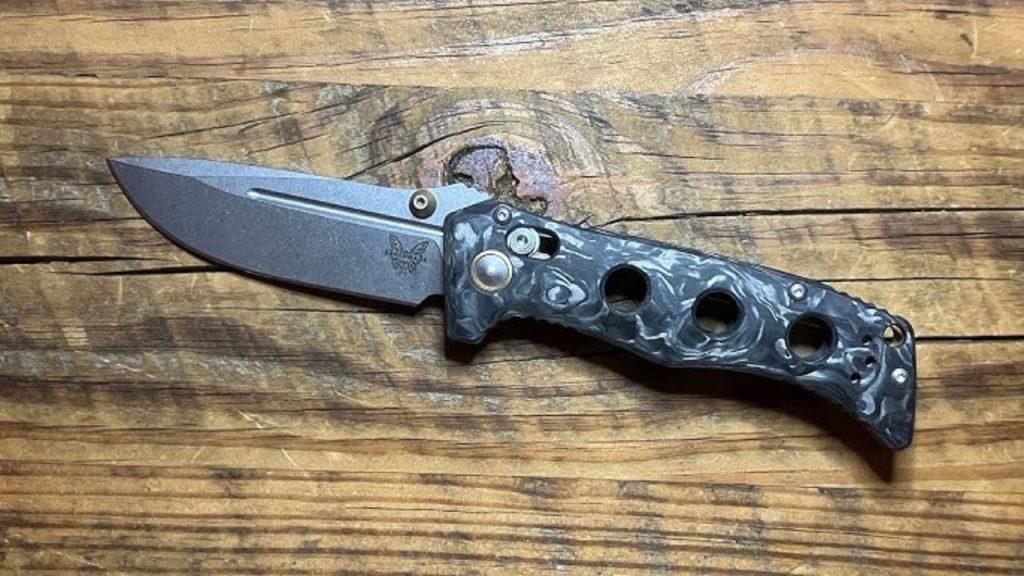
The Adamas isn’t flashy, but its steel choice and geometry make it a long-lasting cutter. With Bohler N680 steel in many configurations, it doesn’t crave sharpening after every field task.
The blade keeps slicing through webbing, cordage, and even hard wood without rolling as quickly as thinner steels do. That’s partly due to a more resilient edge geometry and a heat treat that favors durability without entirely sacrificing performance. For a folder, it’s a rare combination of toughness and edge retention you can count on hike after hike.
ESEE 6
Out of the box, the ESEE 6 feels robust, and that sturdiness shows up in edge retention. The 1095 carbon steel isn’t exotic, but it takes and keeps an edge remarkably well when heat-treated properly.
Thick stock and a functional edge angle resist roll and chip, even when batoning, chopping wood, or cutting rough materials. It’s not stainless, so corrosion care matters, but in pure cutting performance it stays useful longer than many would expect. For camp work or sustained field use, it holds up through heavy days without complaining.
Spyderco Shaman
The Shaman combines premium steel options like CPM-S30V with a grind that’s not overly thin. That means the edge doesn’t dull as fast as you might fear from such a sleek knife.
Real-world use shows it maintains a working edge through extended tasks — slicing rope, preparing kindling, opening gear — without frequent touch-ups. Its heat treat and blade geometry balance sharpness with resilience, so it’s not just sharp once, it stays sharp across real days of work.
Fallkniven F1
Fallkniven’s laminated steel (often VG-10 core) isn’t hype. It’s engineered to resist edge wear while still cutting effectively. The F1’s convex grind further distributes stress away from the edge.
What that means in practice is fewer passes on a stone between tasks. You can process wood, cut cordage, and tend camp without the edge begging for attention every hour. On long outings or backcountry trips, that stamina makes a difference because you spend less time sharpening and more time using the tool.
Bark River Bravo 1
In thicker steels like A2 or similar, the Bravo 1 holds a working edge well even through demanding field chores. The blade geometry pushes strength where it matters, not cosmetic thinness.
That stable edge resists chipping and rolling, and heat treatment ensures the steel stays resilient. When you cut through wood, hide, rope, and pack materials in succession, the edge stays practical far longer than lighter blades often do. It’s a great example of how a well-balanced design translates to real endurance.
Cold Steel SRK
The SRK’s thicker spine and straightforward edge geometry combine with dependable steel choices to create an edge that doesn’t give up quickly. It’s not polished to a razor that dulls instantly — it’s sharpened to stay sharp on real work.
Tasks that would force frequent re-honing on thinner blades only gradually blunt the SRK. It’s a blade that climbs through rugged use without whining for a stone every few minutes. Out in the field when abrasion and varied cuts stack up, it feels surprisingly capable.
Helle Temagami
Helle’s laminated steel construction blends layers that resist wear and retain sharpness through extended use. The Temagami’s Scandi grind favors control and durability.
Out in woodcraft or camp tasks, the edge stays keen longer than thinner knives. The lamination helps resist micro-chipping, and the grind means you’re cutting with the steel’s strength, not against it. It’s the kind of knife that stays fresh through extended fieldwork without demanding constant attention.
Chris Reeve Sebenza
High-end steels like CPM-S35VN paired with expert heat treat give the Sebenza a lasting edge that defies everyday use. The grind and geometry aren’t exaggeratedly thin, so the edge holds up through repeated slicing, cardboard, and camp tasks.
It’s not a hard-use survival blade, but in everyday cutting the edge stays usable far longer than many competitors. That longevity isn’t accidental — it’s a payoff from thoughtful steel choice and stable geometry.
Knives that stay sharp longer aren’t magic. They’re thoughtful compromises between hardness, edge geometry, and real-world use. In the field, that balance shows up as fewer touch-ups, steadier performance, and a tool you can trust across long days instead of constantly babysitting.

Leo’s been tracking game and tuning gear since he could stand upright. He’s sharp, driven, and knows how to keep things running when conditions turn.