Landowner Says a Hunter Kept Coming Back After Losing Permission — Then Claimed It Was a “Misunderstanding”
A landowner says a hunting arrangement turned into a repeated access dispute after a hunter allegedly returned to the property multiple times after permission had been revoked. What started as an informal agreement reportedly became a source of frustration, with the landowner claiming boundaries were ignored even after they were clearly communicated.
According to the account, the situation escalated when the landowner realized the individual had continued visiting the land despite being told not to. When confronted, the hunter allegedly described it as a misunderstanding, a response the landowner says did not match the repeated nature of the visits.
How the permission was originally given
The arrangement, as described, began informally, with the landowner allowing limited hunting access based on trust and prior communication. In rural areas, these agreements are often built on personal relationships rather than written contracts, which makes clear communication especially important.
The landowner expected the arrangement to remain controlled and conditional. That typically includes respecting seasonal limits, guest restrictions, and the understanding that permission can be withdrawn at any time if conditions change or trust is broken.
Claims of repeated return after permission was revoked
The core issue in the dispute centers on the claim that the hunter continued to access the property after being told not to. The landowner says they noticed signs of continued activity, which raised concerns that the original instruction had not been followed.
Situations like this often become tense quickly because private land access is treated seriously in most rural communities. Once permission is revoked, any return can be interpreted as a violation of property boundaries, regardless of intent.
The “misunderstanding” explanation and disagreement over intent
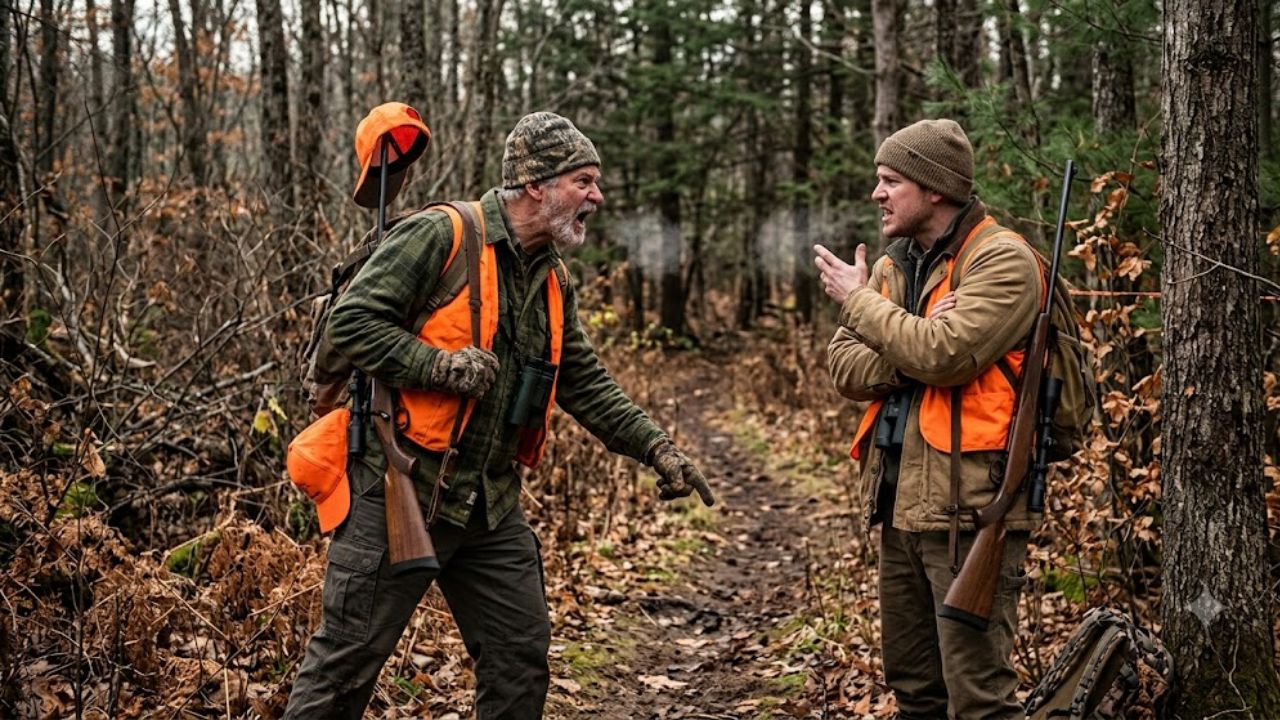
When confronted, the hunter reportedly described the situation as a misunderstanding. However, the landowner disputes that explanation, pointing to repeated instances rather than a single mistake or miscommunication.
This type of disagreement often comes down to intent versus perception. One party may view the situation as accidental or unclear, while the other sees it as a direct disregard of a clear boundary that had already been set.
Why permission disputes escalate quickly in hunting areas
Hunting access on private land relies heavily on trust, and once that trust is questioned, relationships can deteriorate fast. Landowners are often cautious because even small misunderstandings can lead to repeated access issues or unwanted pressure on the property.
In many rural areas, clear permission boundaries are considered non-negotiable. When those boundaries are crossed, it can lead to immediate loss of access and long-term damage to personal relationships between landowners and hunters.
Broader concerns about land access and communication
This type of dispute highlights a common issue in informal land use arrangements: a lack of written terms or clear documentation. While many hunting agreements are made verbally, that can lead to different interpretations of what is allowed and for how long.
Landowners increasingly emphasize clear communication and explicit permission rules to avoid confusion. Even when relationships are friendly, expectations around access, timing, and guest use are often spelled out more clearly to prevent similar conflicts.
What typically happens next in situations like this
In most cases, once trust is broken or repeated boundary issues occur, landowners choose to fully revoke access and restrict entry going forward. Some also choose to formalize agreements or limit hunting permissions to prevent further disputes.
While many of these situations are resolved without legal action, repeated unauthorized access can escalate depending on the circumstances and local property laws. For most landowners, the priority becomes preventing further confusion and protecting control over their land.

Leo’s been tracking game and tuning gear since he could stand upright. He’s sharp, driven, and knows how to keep things running when conditions turn.