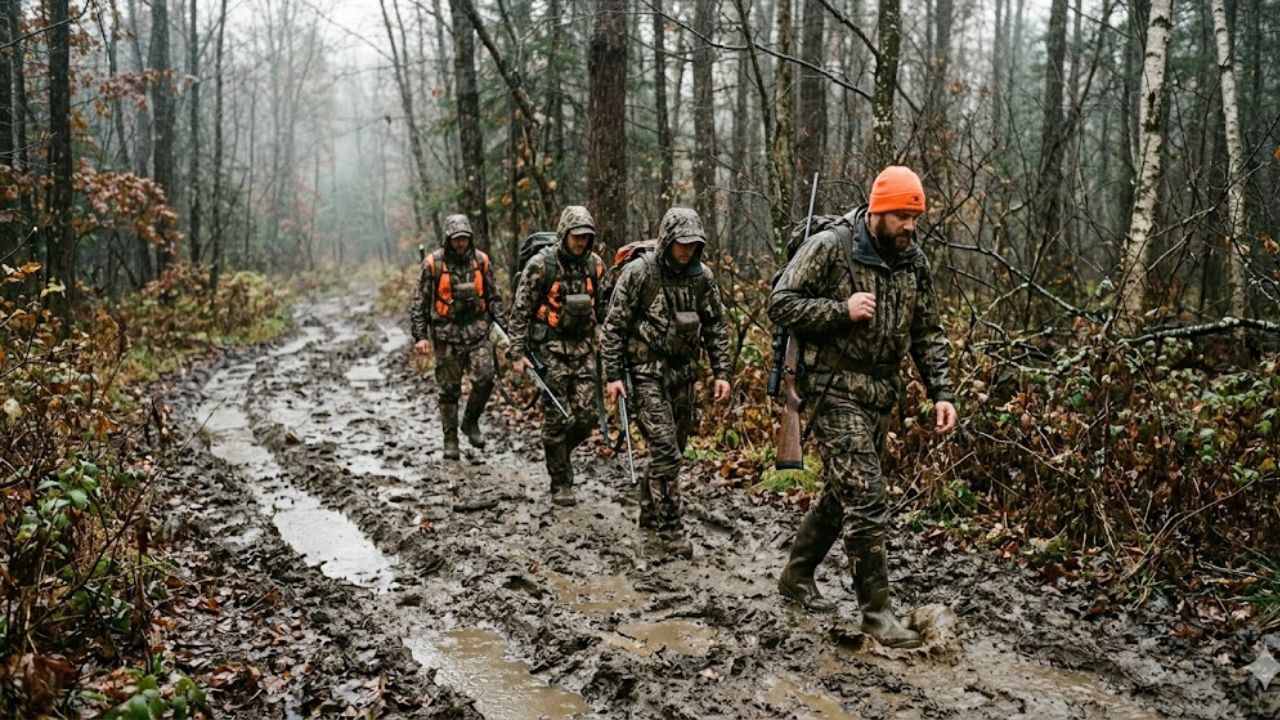
Landowner says hunters kept using the same road during wet conditions and tore it up
A landowner has raised concerns after a group of hunters allegedly continued using a private access road during wet conditions, leaving significant damage behind. According to the complaint, repeated vehicle traffic on the softened ground caused ruts, erosion, and sections of the road to become difficult to pass even for off-road vehicles.
The issue centers around timing and communication. Wet soil conditions can make rural roads extremely vulnerable, and once damage starts, it tends to get worse quickly with each additional pass. The landowner says warnings were given, but the group continued using the same route, leading to frustration and a breakdown in trust between both sides.
Why wet roads become a bigger problem than they look
When dirt or gravel roads get saturated with water, the surface loses stability. Tires can cut into the ground more easily, creating deep grooves that collect even more water. Over time, this turns a simple access path into a rough track that can be expensive and time-consuming to repair.
In rural or hunting areas, this kind of damage isn’t just cosmetic. It can block access for farm equipment, emergency vehicles, and future visitors. That’s why landowners often place strict limits on vehicle use during rain or immediately after storms, even if the road still looks passable at first glance.
Conflict between access and land responsibility
Situations like this often come down to expectations. Hunters typically rely on established access routes to reach properties safely and efficiently, especially when carrying gear or traveling in groups. At the same time, landowners are responsible for maintaining those roads and protecting the land from long-term damage.
When communication breaks down, both sides can feel justified. Hunters may believe they are using an agreed-upon route, while landowners may feel their property is being overused or disrespected. Without clear rules about weather-related restrictions, misunderstandings are common.
Cost and effort of road repairs
Repairing a damaged rural road is not always simple or cheap. Depending on severity, it may require grading, adding fresh gravel, improving drainage, or in some cases completely rebuilding sections of the surface. Even minor repairs can take equipment, time, and money that landowners didn’t plan for.
Repeated damage also creates a cycle where repairs don’t last if wet conditions continue and traffic doesn’t stop. That’s why many property owners emphasize prevention over repair, especially during hunting seasons when foot and vehicle traffic tends to increase.
Preventing future disputes on private land
To avoid situations like this, many landowners set clear written or verbal guidelines before allowing access. These often include rules about weather conditions, designated routes, and vehicle restrictions during certain times of the year. Clear expectations help reduce confusion when conditions change quickly.
In hunting areas, mutual respect for land rules is usually what keeps access agreements in place long-term. When those rules aren’t followed, it can lead to restrictions, loss of access, or tighter controls in the future for everyone involved.

Leo’s been tracking game and tuning gear since he could stand upright. He’s sharp, driven, and knows how to keep things running when conditions turn.