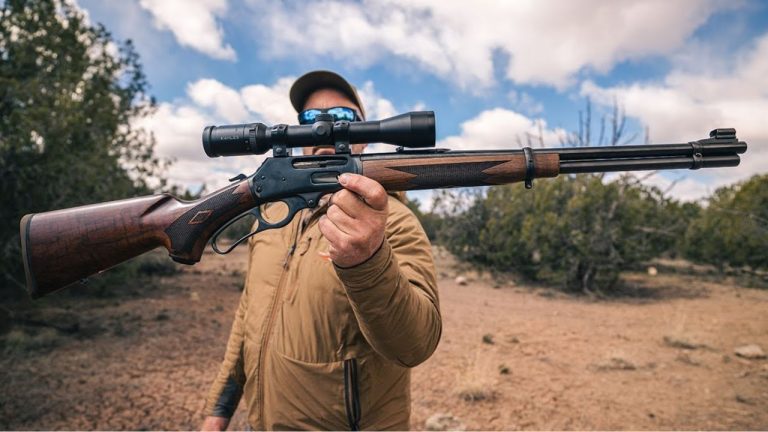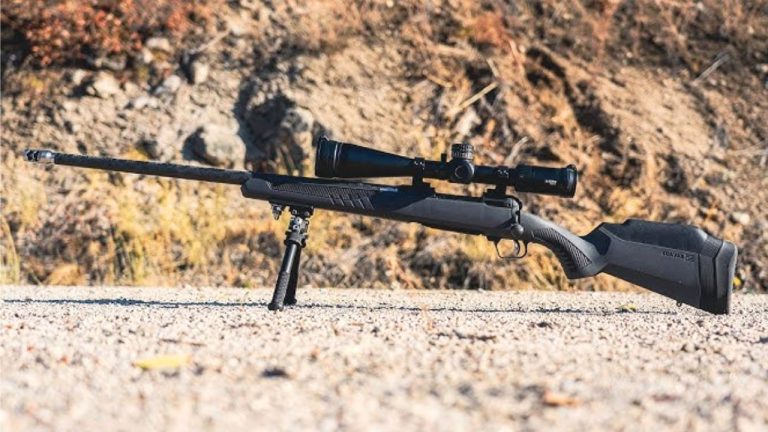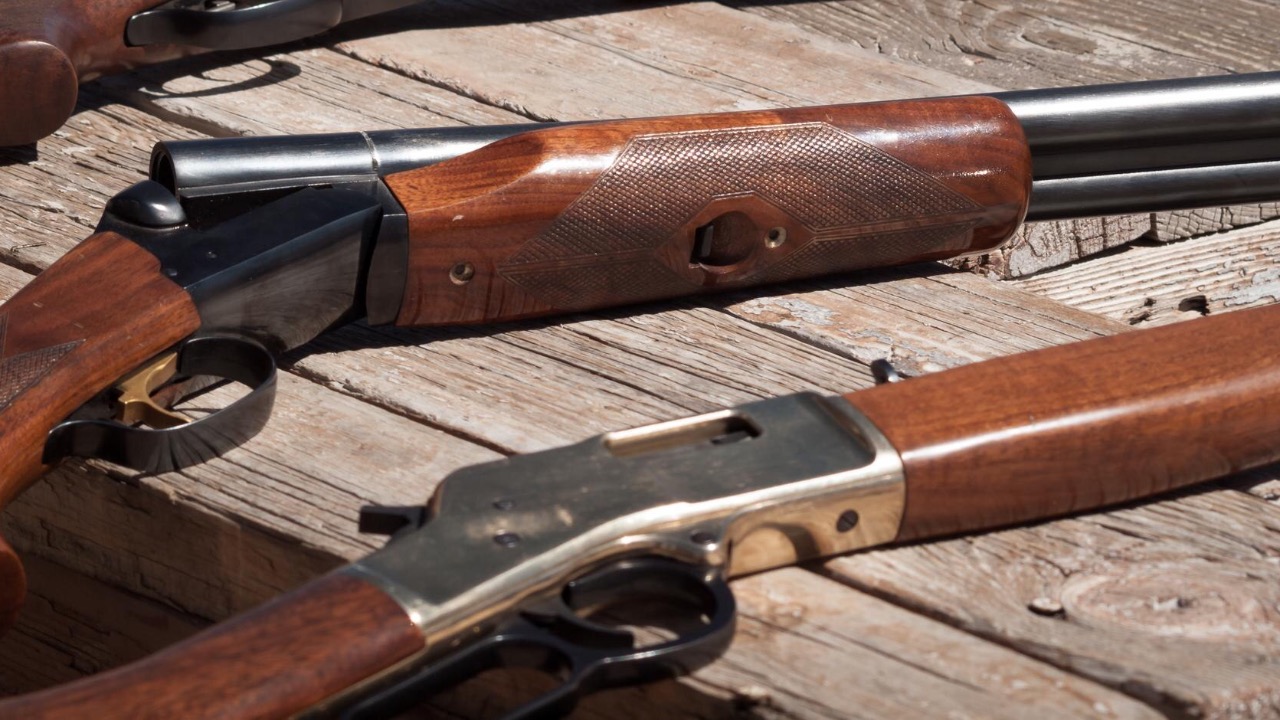
Lever-action rifles that still make sense for practical use
Lever actions have shifted from frontier necessity to nostalgic niche, yet the design still solves real problems for hunters, ranchers, and home defenders who want fast handling and dependable power. Modern makers are blending classic receivers with improved sights, stocks, and materials so these rifles stay relevant alongside semi‑autos and chassis guns. The models that continue to earn a place are the ones that pair that heritage with clear, practical advantages in the field or around the house.
Look across current offerings and a pattern emerges: compact carbines for thick woods, stainless and coated guns for harsh weather, and updated “tactical” packages for defensive roles. The best examples are not museum pieces but working tools that cycle smoothly, carry easily, and chamber cartridges suited to real‑world tasks from whitetail and black bear to close‑range protection.
Why lever actions still solve real problems
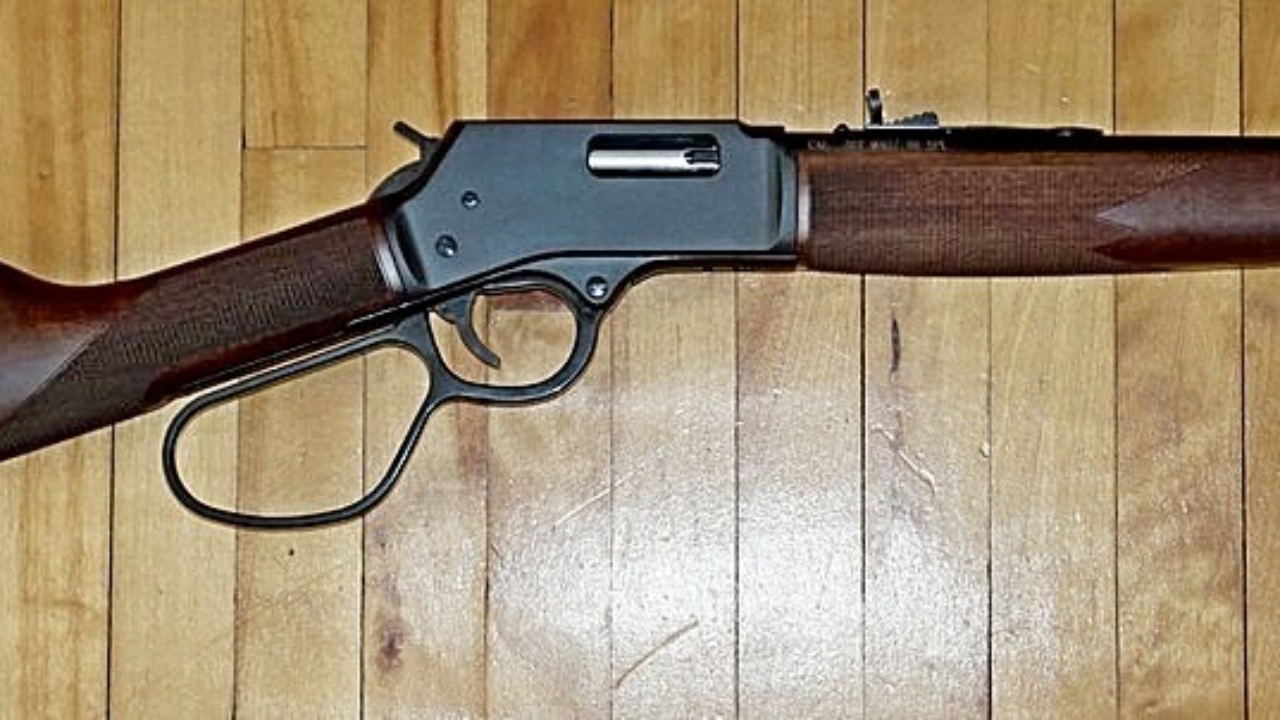
The role question comes first, because a lever rifle only “makes sense” if it does something better than the alternatives. In tight timber or brush, a short, slim carbine is easier to carry and mount than a long, heavy bolt gun, and a tubular magazine gives quick follow‑up shots without the bulk of a box magazine. Modern evaluations of the best lever rifles still highlight how quickly a practiced shooter can run a lever from the shoulder, which matters when a hog or deer appears and disappears in seconds. In many jurisdictions and on private ranges, a manually operated rifle is also less politically fraught than a semi‑automatic, which can simplify ownership and transport.
For home and property defense, there is another advantage: a lever rifle offers rifle ballistics with a manual action that some owners find more intuitive and less intimidating than a gas gun. Guidance on rifle calibers for defensive use emphasizes that rifles are more effective at stopping threats than pistols, but also stresses controllable recoil and appropriate penetration. A compact, soft‑shooting lever in a mid‑power cartridge fits that balance, especially for shooters who already hunt with similar platforms and want one manual of arms for multiple roles.
Classic woods guns that still earn their keep
When I picture a practical lever action, the traditional “woods rifle” still comes to mind first. Short, light carbines in moderate cartridges remain ideal for whitetail and hogs inside 200 yards, where shots are quick and visibility is limited. The Model 94 pattern is the archetype: The Model 94 (Winchester 1894) in .30‑30 with a 20‑inch barrel and 7‑round capacity still attracts hunters who want a handy rifle that points naturally. Today’s rifles use modern manufacturing and materials but preserve the same layout that made the gun a “special rendition of the perfect lever action” for generations of deer camps.
Independent testers who compile range tested comparison charts often rate these classic patterns highly for “Smoothness Rating” in their Sample Comparison Chart, even when they are not the flashiest option on the rack. That smooth cycling matters when a hunter is wearing gloves in cold weather and needs a quiet, positive stroke to chamber a second round without losing sight of an animal. Many experienced woods hunters still choose a simple blued‑steel, walnut‑stocked carbine because it rides well in a scabbard, carries comfortably on a sling, and does exactly what they need at realistic distances.
Modern “tactical” lever actions for defense and patrol
The biggest shift in recent years has been the rise of what many call the “tactical lever,” where traditional receivers are paired with threaded barrels, rails, and synthetic furniture. These rifles answer the needs of shooters who want modern accessories and defensive capability without moving to an AR‑style platform. One of the most cited examples is the Marlin Model 1895 Dark Series, a short .45/70 package that adds blacked‑out finishes, M‑LOK slots, and an enlarged lever loop. In October, Ruger announced the return of the Dark Series with a lever‑action Model 1895 configuration, and coverage of the Marlin Model Dark Series describes how the company leaned into suppressor‑ready barrels and optics‑friendly rails.
Lists of Top Tactical Lever show the same pattern, with the Marlin 1895 Dark Series appearing again with specific figures such as Caliber .45/70 Government, a 16.1‑inch barrel, and a capacity tailored to heavy loads. The combination of a short 16.1‑inch barrel, side loading gate, and rugged stock makes this type of rifle appealing for rural law enforcement, ranch patrol, or homeowners who want a compact long gun that can still fire heavy .45/70 G loads. The “tactical lever” trend is more than cosmetic; it integrates suppressors, red dots, and white lights into a manual‑action package that some users find more acceptable in restrictive environments.
Hunting workhorses from Marlin and Henry
For pure hunting use, I still put a lot of weight on how a rifle balances, feeds, and carries in rough country. Current testing of Top Picks in the lever category frequently names the Best Overall choice as the Marlin 1895 Trapper Lever Action Rifle with Magpul furniture, which blends a compact barrel with weather‑resistant stocks and modern sights. That combination directly answers the needs of hunters who want to carry a big‑bore lever in rain and snow without worrying about swelling wood or rusted screws, and who also want to mount low‑power optics or red dots for fast shots.
Those same evaluations also highlight the rise of more weatherproof configurations, like stainless or coated receivers and synthetic or laminate stocks, alongside traditional walnut. Roundups of Best Lever Action often create categories such as Best Marlin, where the Marlin 1895 SBL earns praise, and Best Henry, where options like the Henry All‑Weather Picatinny Rail .45/70 Side Gate appear. The explicit mention of .45 and 70 in that context shows how heavily these rifles lean on big‑bore authority for elk, bear, and thick‑skinned game, while the All‑Weather label signals that the gun is meant to be used hard, not babied in a safe.
Caliber choices that keep lever rifles relevant
Caliber is where a lever either shines or feels outdated, and there is a clear split between traditional rounds and modern interpretations. Discussions of Rifle Calibers for defensive use point out that rifles are more effective at stopping threats than pistols, but also warn against excessive recoil or overpenetration in a home. That is why some advisors steer homeowners toward mid‑power cartridges and away from very heavy loads, even though the same writer notes that Rifles remain the most decisive option when lives are at stake. I read that guidance as an argument for cartridges like .30‑30 or .357 Magnum in a carbine, which balance controllability and terminal performance.
At the other end of the spectrum, traditional big‑bores like .45/70 retain strong support among hunters who want maximum authority on large animals at modest ranges. In lists of tactical levers, the Caliber .45/70 Government configuration with a 16.1‑inch barrel is highlighted for how it packs heavy bullets into a compact package. Compared with the Henry All‑Weather .45/70 Side Gate, a pattern emerges: these rifles are not trying to compete with flat‑shooting bolt guns at 400 yards, they are meant to hit hard and cycle quickly inside 200, where brush, low light, and moving animals make shot placement more about speed and handling than trajectory charts.
Reliability, smoothness, and what gunsmiths look for
Practical use lives or dies on reliability, and experienced gunsmiths tend to be blunt about which designs they trust. In one discussion of the most reliable lever actions, a contributor identified as Nick Champlin is described as a Gunsmith and Industrial Designer Author with 272 answers, and he argues that “Pretty much any lever action since 1870” can be dependable if built and maintained correctly. That perspective, shared in a Nick Champlin thread, reinforces what I see on the bench: the basic lever mechanism is mature, and real‑world reliability differences often come down to manufacturing quality, magazine design, and how forgiving the rifle is of dirt and imperfect technique.
Range comparisons that include a Sample Comparison Chart with columns like Rifle Model, Caliber, and Smoothness Rating (1–5) show how testers try to quantify these subjective impressions. In the Sample Comparison Chart, rifles that score high on Smoothness Rating tend to be those with polished internals, consistent feeding from their magazines, and well‑shaped levers that do not bite the shooter’s hand. I put a lot of weight on that kind of data, because a rifle that cycles smoothly encourages practice, and practice is what turns a nostalgic design into a practical tool that the owner can run under stress.
Home defense with a lever: strengths and tradeoffs
Evaluating a lever for home defense starts with comparing it to common alternatives like AR‑15 carbines and pump shotguns. Guidance focused on Lever Action Rifles argues that rifles are more effective at stopping threats than pistols and that a manually operated rifle can be a strong choice if the owner understands its limitations. The same analysis cautions against overly powerful calibers for indoor use and suggests sticking with controllable loads that offer rapid follow‑up shots without punishing recoil. I interpret that as a green light for intermediate cartridges and a yellow light for the heaviest big‑bores in a defensive hallway role.
Ergonomically, a short lever carbine with a 16 to 20‑inch barrel can be very quick to mount and move through doorways, especially for shooters who already hunt with similar guns and find the manual of arms familiar. Unlike a pump shotgun, the lever allows the shooter to keep the firing hand on the grip and the rifle on the shoulder while cycling, which can translate to faster, more accurate second shots. At the same time, the tubular magazine limits reload speed compared with detachable box magazines, so these rifles are best suited for scenarios where capacity in the 5 to 7 round range is acceptable and the user values simplicity, legal comfort, and cross‑training with a hunting gun.
Accessories, training, and the “tactical lever” ecosystem
Modern lever users are no longer limited to buckhorn sights and leather slings. The resurgence of the “tactical lever” has spawned a small ecosystem of accessories, training content, and events that treat these rifles as serious working tools. Coverage of Best Tactical Lever content points readers toward deeper dives on Action Rifles and Old Guns Learn New Tricks, while related platforms like podcast feeds and video channels show instructors running lever guns through carbine drills. Events promoted through sites like cancon and subscription hubs such as offgrid also signal that suppressed lever rifles and modern defensive techniques are no longer fringe topics.
On the retail side, shops that feature Best Lever Action Range Tested by Don’s Weaponry often cross‑promote their social pages, like the Don’s Weaponry presence and even embedded maps for the physical location of Don’s Weaponry. Defensive‑training voices show a similar pattern as they share content through the Lever Action Rifles community and curated gear lists on storefronts like the firearmrack shop. All of this reinforces the idea that practical lever use today is supported by a living network of instructors, retailers, and content creators rather than isolated enthusiasts.
How to decide if a lever rifle fits your needs
When I advise someone on whether a lever action “still makes sense” for them, I start with a simple checklist: environment, primary role, and personal comfort with the manual of arms. For a hunter who spends most of the season in thick woods or brush, a compact lever like a Model 94 or Marlin 336 in .30‑30 is hard to beat for speed and handling. For a rancher or guide who might face large animals at close range, a .45/70 lever such as the Marlin 1895 SBL or Henry All‑Weather .45/70 Side Gate offers the kind of authority that modern tests of Best Marlin and similar categories highlight. In both cases, the rifle’s strengths align directly with the task.

Leo’s been tracking game and tuning gear since he could stand upright. He’s sharp, driven, and knows how to keep things running when conditions turn.