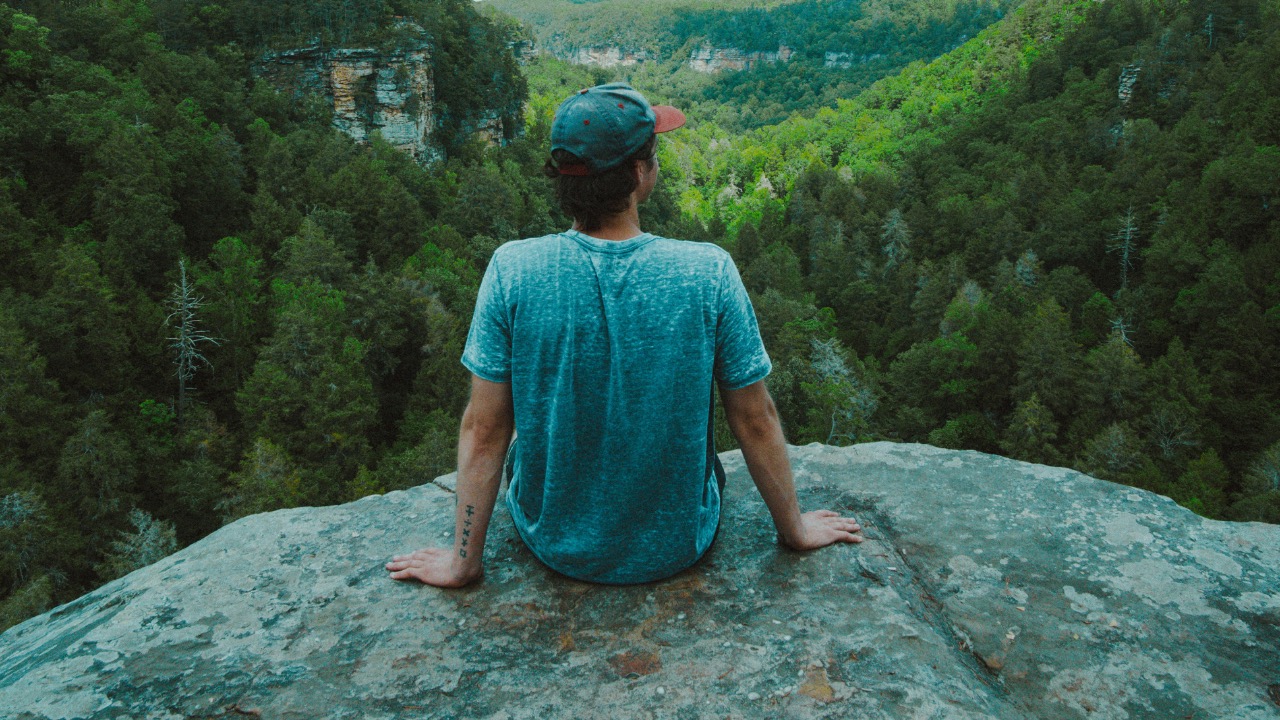
Neuroscience research suggests people more comfortable in nature than crowds have distinctly calibrated nervous systems
Some people feel at ease surrounded by trees and open skies, while bustling streets leave them drained. Emerging studies in neuroscience point to real differences in how nervous systems handle these environments. For those who thrive outdoors, exposure to natural settings appears to align closely with how their bodies regulate stress and attention. This calibration may stem from evolutionary roots, where open landscapes signaled safety rather than threat. Researchers continue to explore these patterns through brain scans and physiological measures, revealing why certain individuals seek solitude in the wild over crowded gatherings.
Nervous System Responses to Natural Settings
Spending time in forests or parks often shifts the body toward rest and recovery. Studies show increased parasympathetic activity, which helps lower heart rate and promote calm after stress. This response contrasts with the heightened alertness many experience in dense urban areas filled with noise and movement.
For individuals drawn to nature, these environments seem to match an internal tuning that reduces cortisol and eases tension more effectively. Brain imaging supports this, indicating less activation in areas tied to threat detection during nature walks compared to city strolls. The effect builds gradually, allowing clearer thinking and steadier emotions over hours or days spent outdoors.
Brain Activity Differences in Urban Versus Green Spaces
Functional MRI scans highlight notable contrasts. After time in nature, activity in the amygdala—the brain’s alarm center—tends to decrease, while urban exposure keeps it more engaged. This pattern appears stronger in people who report greater comfort away from crowds.
Such findings suggest their nervous systems process sensory input with less effort in natural surroundings. Fractal patterns in leaves, water, and terrain require minimal cognitive load, freeing up mental resources. In crowds or built environments, constant sharp angles and stimuli demand more sustained attention, which can feel exhausting for those wired differently.
Sensory Sensitivity and Environmental Preferences
Many who prefer nature exhibit heightened sensitivity to overstimulation. Crowds trigger a stronger sympathetic response, the body’s fight-or-flight mode, leading to quicker fatigue. Natural sounds like birdsong or wind through branches, however, support recovery and focus.
This calibration influences daily choices. Research links it to better emotional regulation and attention restoration when immersed in green spaces. Over time, repeated exposure helps maintain balance, potentially lowering risks associated with chronic urban stress for those whose systems respond most favorably to quieter, organic settings.
Physiological Benefits Backed by Measurements
Heart rate variability data reveals clearer parasympathetic dominance during and after nature exposure for sensitive individuals. This metric reflects a flexible nervous system better equipped for recovery. Viewing or walking in green areas often yields faster reductions in stress markers than equivalent time indoors or in built zones.
These measurable shifts explain why some feel recharged after a hike but depleted by a busy market. The nervous system seems primed for environments with softer, predictable rhythms. Scientists note consistency across studies, pointing to an inherent compatibility that supports overall well-being when honored.
Practical Implications for Daily Life
Recognizing these differences encourages tailored routines. Short walks in parks or even looking at natural views from a window can provide meaningful resets for those who feel the pull toward outdoors. The benefits accumulate without needing extreme adventures.
Adjusting environments at home or work to include more green elements may help sustain this calibration. For people attuned this way, prioritizing nature access becomes a form of self-awareness that enhances resilience. Ongoing research deepens understanding of how to support varied nervous system needs in modern settings.

Asher was raised in the woods and on the water, and it shows. He’s logged more hours behind a rifle and under a heavy pack than most men twice his age.