Officials warn of rising deer-vehicle collisions outside hunting season
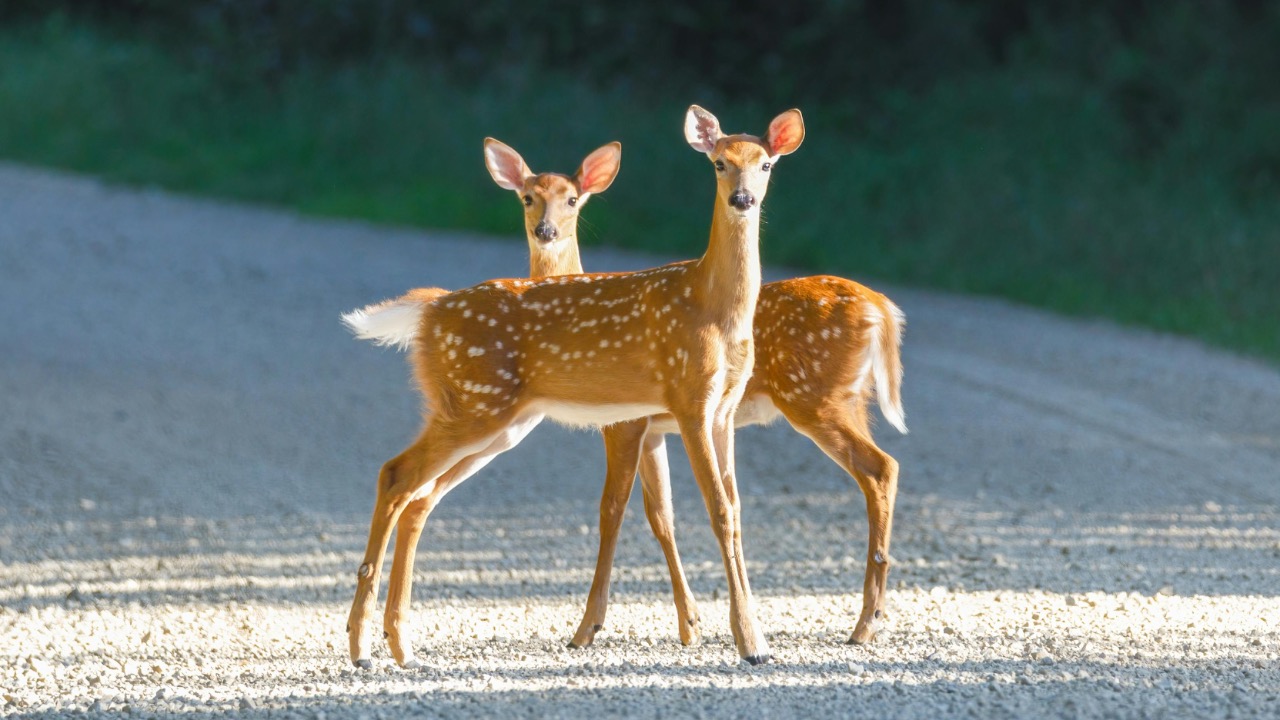
Across whitetail country, the most dangerous time to meet a deer is not when hunters are in the woods, but when commuters are in traffic. As rutting bucks and wandering yearlings push out of cover and onto pavement, officials are warning that deer-vehicle crashes are climbing in the shoulder seasons around peak mating activity, long after most folks stop thinking about blaze orange and tree stands. The numbers are big enough, and the patterns clear enough, that I treat this as a serious part of road safety, not a fluke encounter with wildlife.
Deer collisions are now a predictable, seasonal hazard that can wreck a pickup, put a family in the hospital, and quietly drain billions of dollars from drivers and insurers every year. If you spend your fall and early winter driving two-lane blacktop through farm country or timber, you are in the middle of that risk whether you hunt or not.
Deer crashes are a major, growing safety problem
On paper, deer crashes look like a niche issue, until you see the national totals. Safety analysts estimate that around 2.1 m deer-vehicle collisions occur annually in the United States, a toll that rivals some of the biggest categories of roadway crashes and leads to more than $10 billion in economic losses when you add up repairs, medical bills, and lost time at work, according to Around. Other transportation campaigns peg the annual count at roughly 1.5 m deer-vehicle collisions, with about 200 human deaths and 26,000 injuries tied directly to those wrecks, and roughly $10 billion in vehicle damage alone, figures repeated in a Midwest safety alert from Deer.
Those crashes are not evenly spread across the calendar. Wildlife agencies and transportation departments keep pointing to a tight window in late fall when deer movement spikes and crash numbers follow. A national traffic-safety briefing from traffic data treats animal strikes as a significant slice of all crashes, and state-level numbers show that slice swelling as days get shorter. In other words, this is not a freak accident problem, it is a seasonal pattern that drivers can anticipate and plan around.
Why the danger peaks when hunters go home
Most nonhunters assume the risk fades when rifle season wraps, but the biology does not care about our calendars. October through December lines up with the whitetail rut in much of the country, and that is when deer are moving hardest, crossing roads at odd hours, and ignoring the usual boundaries that keep them in cover. One Midwest campaign notes that deer-vehicle collisions SPIKE 300% in the week after DST ends, when evening commutes suddenly line up with peak deer movement, a warning spelled out in a Kansas alert that ties the surge directly to SPIKE and DST.
Wildlife officers in several states stress that October and November are prime time for bucks to chase does across highways and backroads, and that the risk stays elevated into early winter even as hunting pressure drops. In New Jersey, Officials have warned that deer mating season, combined with shrinking daylight, increases roadway risks from early fall through mid-December. Ohio’s highway safety office has been blunt that October-December is peak deer season and that, Since 2020, there have been 108,000 deer crashes in Ohio, a reminder that the real danger window stretches well beyond opening day.
Hotspot states where drivers are most likely to hit a deer
Some states are simply more exposed than others, thanks to dense deer herds, forested terrain, and a web of rural highways. Insurance and wildlife data put Pennsylvania near the top of the risk list year after year, with state game officials noting that Data from around the country indicates Pennsylvania drivers face some of the highest risks of a vehicle collision with a deer, and that the state led the nation in animal-collision insurance claims in the fiscal year 2024-25, according to a bulletin on Data. Another briefing aimed at motorists in the state spells it out in personal odds, warning that Drivers in PA have a 1 in 59 chance of a deer accident and urging them to Avoid slamming brakes or swerving, advice delivered in a safety clip for Drivers.
Farther south in the Appalachians, the odds get even worse. A ranking of risk by state notes that, At the top of the list was West Virginia, where drivers face a likelihood of 1 in 40 of hitting a deer and share the road with an estimated 200,000 whitetails, according to figures tied to the At the and West Virginia Division of Natural Resources. That combination of steep hollows, narrow two-lanes, and heavy deer traffic makes West Virginia one of the toughest places in the country to drive after dark in November.
How deer behavior and daylight shifts put cars in their path
To understand why the crash curve spikes, you have to think like a deer. As fall sets in, Colder weather and changing food sources cause deer to move more, pushing them from summer browse to mast crops and cut corn, and Young deer leaving their homes are also wandering into new territory, including roadways, a pattern biologists have highlighted in outreach to Colder regions. Young deer also search for new territory during this time, and Bucks cover more of their home ranges and move more during the daytime, seeking receptive does, according to rut-season guidance that focuses on Young dispersal and roaming Bucks.
Layer daylight changes on top of that and the risk multiplies. When daylight-saving time ends, evening rush hour suddenly lines up with the last light of the day, which is exactly when deer like to move. Pennsylvania game officials have warned that deer crossing roads more frequently at dawn and dusk is a predictable side effect of that clock change, especially in the weeks after When daylight-saving time ends. In Kansas, safety officers have tied that same shift to a 300% spike in crashes in the week after the time change, a pattern they highlight in their DST messaging.
Where crashes happen and why one deer usually means more
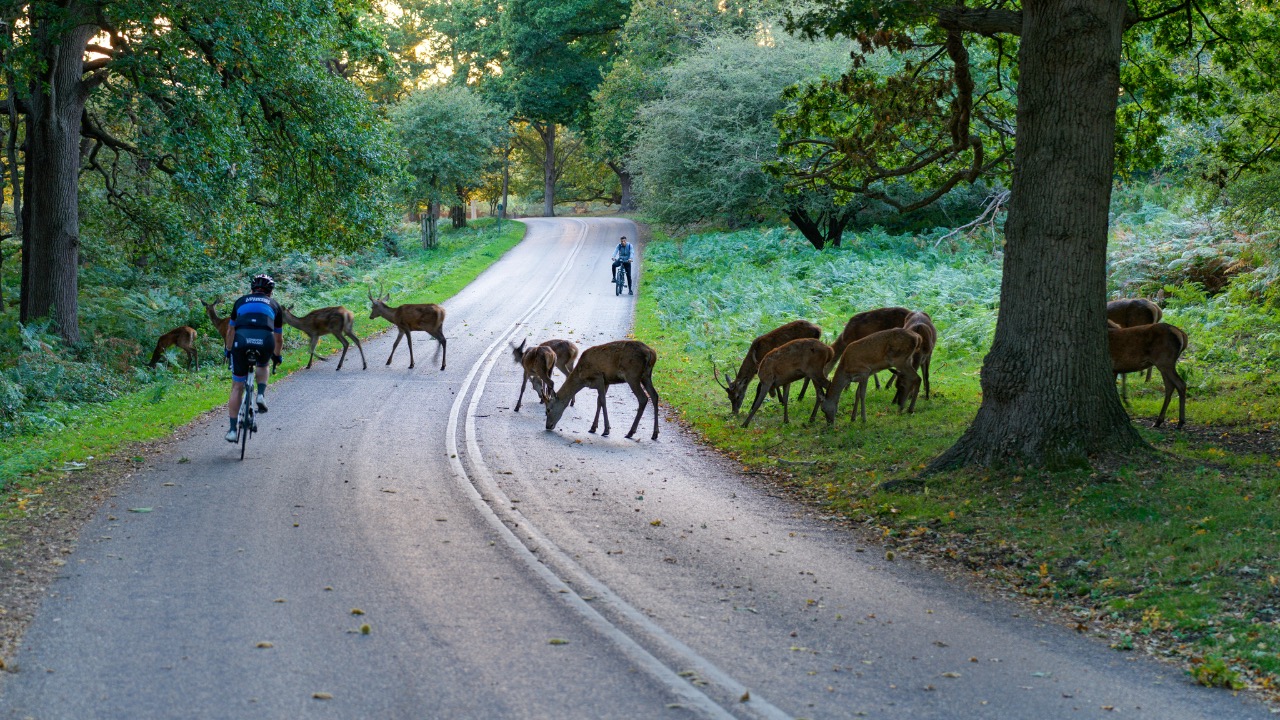
On the ground, deer do not pop out of nowhere. They follow cover, water, and terrain, and the wrecks follow them. Transportation officials in Maryland have reminded drivers that Deer will often run across the road from ditches and protected areas such as stream corridors and woodlots, and that where you see one deer, others are likely to follow because Deer often travel in herds, advice wrapped into a fall safety push that urges motorists to slow down around sunrise and sunset and to Watch for glowing eyes along the shoulder, guidance shared through Deer outreach. New York’s highway and conservation agencies echo that warning, telling motorists that if you see a deer go across the road, decrease speed and be careful, because Deer often travel in groups, so expect other deer to follow, a point they drive home in a joint Deer advisory.
Crash maps also show that certain road features act like funnels. In Massachusetts, wildlife staff have noted that Most collisions happen near bridges, overpasses, railroad tracks, streams, and ditches, and they urge drivers to be extra alert in these areas because Deer often use those same structures and drainages as travel corridors, a pattern they highlight in their Most guidance. New York’s data show that in 2021, 41 Percent of crashes involving deer and moose happened during a three-month fall span, underscoring how those landscape pinch points and seasonal movements combine into a concentrated risk window, a figure cited in the state’s press data.
Why swerving is often deadlier than hitting the deer
When a deer explodes out of the ditch, instinct tells you to yank the wheel. That move is what turns a close call into a fatal crash. Safety campaigns from New Jersey’s environmental and transportation agencies warn that Collisions are more likely to become fatal when a driver swerves to avoid a deer and instead collides with oncoming traffic or a fixed object, and they urge motorists to slow down if they see a deer, but to keep the vehicle straight and under control rather than jerking into the opposite lane, advice spelled out in their Collisions bulletin. Pennsylvania’s highway officials echo that message, telling drivers to Avoid slamming brakes or swerving and instead to brake firmly while maintaining lane position, especially after sunset when visibility is already compromised, guidance they repeat in outreach to Avoid panic maneuvers.
Other states are just as blunt. Rhode Island’s wildlife agency tells motorists that if you see a deer while operating a motor vehicle, proceed with caution and expect more than just one deer, and they hammer home a basic rule: Follow the speed limit and always use seat belts, because staying belted and at a reasonable speed gives you a much better chance of walking away from a strike, advice laid out in their Follow the safety notice. In New York, officials add that if a collision is unavoidable, drivers should stay in their lane, hit the brakes, and then report the crash to a local law enforcement agency immediately, guidance that is repeated in their joint DMV and DEC warning.
State playbooks: how agencies want you to drive this fall
Across the map, agencies are rolling out very similar playbooks, tailored to local roads. In Delaware, wildlife and highway safety officials have told motorists that of the state’s recent deer crashes, 912 collisions happened in October, November, and December, and they urge drivers to Use high beams when there is no oncoming traffic to spot deer eyes along the roadside and to Watch for Deer Crossing signs and slow down in those marked areas, practical steps spelled out in their joint Use advisory. Another Delaware alert notes that the state’s deer are on the move as rutting bucks chase does across highways and backroads, and that this surge in activity can lead to injuries and endanger other motorists if drivers are not prepared, a warning highlighted in a seasonal Oct briefing.
New Jersey’s transportation and environmental departments have teamed up to remind drivers that deer mating season increases roadway risks from early fall through mid-December, and they urge motorists to slow down if they see a deer, avoid distractions, and report injured animals to a local law enforcement agency immediately, guidance laid out in their news release. A separate New Jersey alert notes that deer are more likely to suddenly enter roadways as bucks chase does, forcing drivers to brake hard if they are not paying attention, a point stressed in a fall warning from NJDEP and NJDOT. In Ohio, highway safety officials keep repeating that October-December is peak deer season and that, Since 2020, there have been 108,000 deer crashes in the state, using that 108,000 figure to drive home the need for extra caution in their Here messaging.
Real-world stakes: from totaled trucks to hospital beds
For anyone who spends time on rural highways, the cost of hitting a deer is not theoretical. A single strike can cave in the front end of a half-ton pickup, blow airbags, and leave you waiting for a tow truck on the shoulder. Analysts who track these crashes say they cause more than $10 billion in economic losses annually when you add up repairs, medical care, and lost productivity, a figure repeated in national coverage of deer-vehicle risks that leans on national estimates. A Midwest safety campaign adds that roughly 1.5 m deer-vehicle collisions each year lead to about 200 deaths and 26,000 injuries, numbers that show how quickly a routine drive can turn into a life-changing wreck, according to a Facebook alert from vehicle-deer educators.

Asher was raised in the woods and on the water, and it shows. He’s logged more hours behind a rifle and under a heavy pack than most men twice his age.