Pakistani Man Convicted in Alleged Iran-Backed Plot to Assassinate Trump and Other Politicians
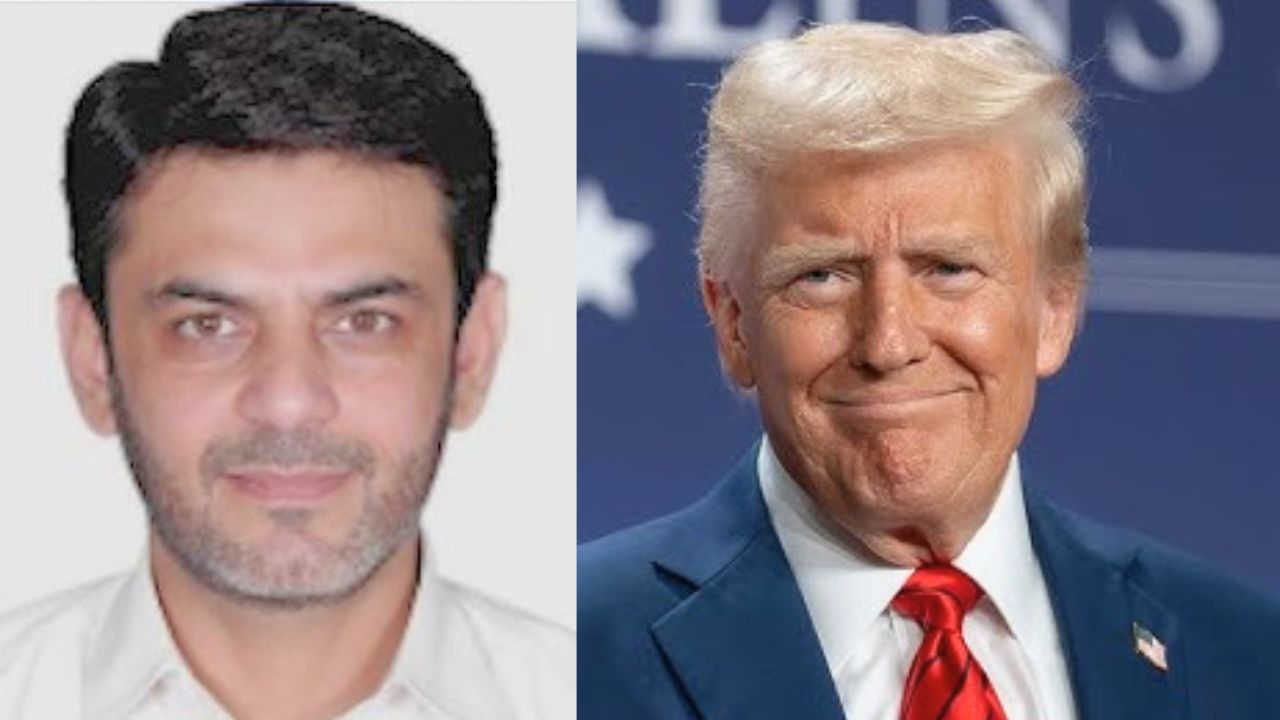
A federal jury in Brooklyn reached a verdict this month that brought an Iran-linked assassination scheme into sharp focus. Asif Merchant, a 47-year-old Pakistani national, stood accused of working directly with operatives from Iran’s Islamic Revolutionary Guard Corps to target American political figures. The case drew attention because it showed how such operations can unfold on U.S. soil, with law enforcement stepping in before any harm occurred. You come away from the details seeing the persistent nature of these threats and how they tie into longer-standing international rivalries.
A Federal Jury Delivers Its Verdict
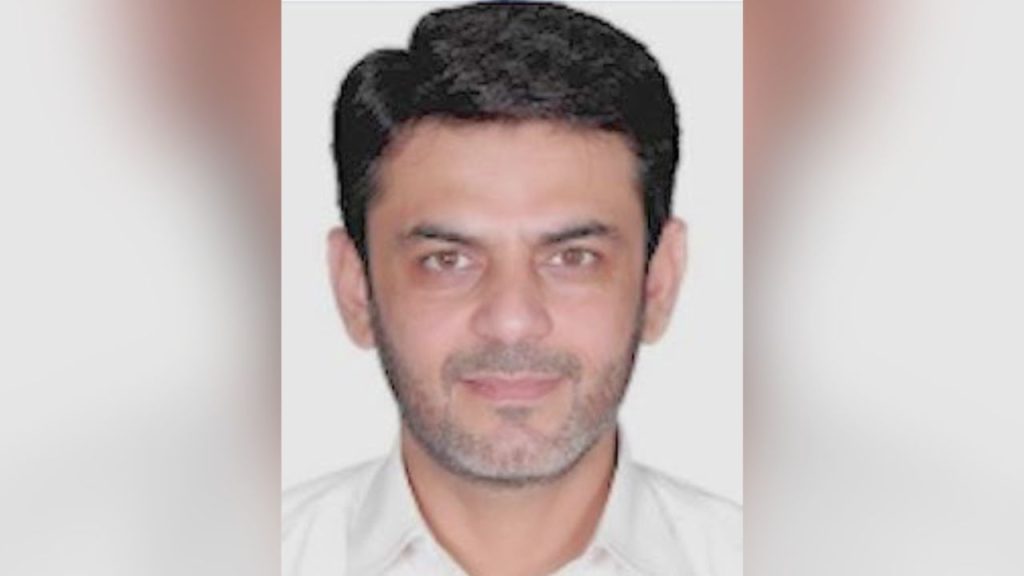
Jurors listened to the evidence over several days and took less than two hours to convict Merchant on two charges. He now faces up to life in prison for murder for hire and for attempting an act of terrorism that crossed national lines. The proceedings happened in federal court in Brooklyn amid ongoing tensions in the Middle East.
You notice how swiftly the decision came once the facts were laid out. Prosecutors presented records of meetings, payments, and communications that tied Merchant to the plan. The outcome confirms that authorities disrupted the effort long before it could move forward.
Merchant’s Path to Involvement
Merchant began working with the IRGC back in late 2022 or early 2023 while he was still in Pakistan. He received training in basic tradecraft there before traveling to Iran for further instructions from his handler. By April 2024 he had entered the United States on a mission that included recruiting others and gathering information.
His background as a trained operative became central to the case. Court records show he had made earlier trips to the U.S. as part of the same broader effort. You see the pattern of preparation that stretched across months and continents before anything reached the planning stage here.
The Role Iran Played in Directing Events
Iran’s IRGC designated Merchant as its point person for the operation on American ground. His handler in Iran gave specific directions on what to accomplish and how to communicate once he left the country. The group, long listed by the U.S. as a terrorist organization, pushed the plan forward through Merchant’s repeated contacts.
You recognize the structure when handlers issue orders and expect results from operatives abroad. Merchant reported details back, including notes on security at events. The IRGC’s involvement turned a personal recruitment effort into something coordinated at a higher level.
Identifying High-Profile Figures as Targets
The plot centered on prominent U.S. politicians, with President Donald Trump named as one intended victim. Former President Joe Biden and former Trump administration official Nikki Haley also appeared on the list provided by Merchant’s handler. These choices connected directly to events from 2020, when the U.S. killed Iranian commander Qassem Soleimani.
You understand why such names carried symbolic weight in the instructions Merchant received. The handler made clear that the assassinations would serve as retaliation. Court testimony confirmed the three figures as the focus once the operation advanced.
Setting Up the Deal with Potential Hitmen
In early June 2024 Merchant reached out to someone in New York he thought could help line up people for the job. That contact turned out to be cooperating with law enforcement and introduced him to undercover officers posing as willing participants. On June 21 he handed over five thousand dollars as an advance payment during a meeting in the city.
The exchange included talk of staging distractions and stealing documents from a target’s residence. Merchant also searched online for rally locations and passed security details to his handler. You see how those steps formed the practical core of what he tried to arrange.
Authorities Move In Before Plans Advance
Merchant planned to fly out of the country on July 12, 2024, but federal agents arrested him beforehand. The undercover operation had gathered enough evidence by then to prevent any further movement. No actual attack took place, and no one outside the law enforcement circle was ever at risk.
Investigators had monitored the communications and meetings from the start. You get a sense of how quickly the net closed once Merchant committed to the payment and instructions. The arrest ended the immediate threat and shifted everything into the courtroom phase.
Testimony That Laid Out the Operation
Merchant took the stand during the trial and described his contacts with the IRGC in his own words. He told jurors the handler knew the locations of his family members in Iran and had used that knowledge to keep him in line. He also admitted the specific targets and the steps he took to recruit help.
At one point he explained that he expected to get caught so he could cooperate with American authorities. The testimony filled in gaps that prosecutors had already documented through records and witness accounts. You hear the direct account and still see the evidence that led to the guilty verdict on every count.
Broader Implications for Security Here at Home
Cases like this remind you how foreign governments sometimes try to reach inside the United States to settle scores. The IRGC’s effort showed a willingness to use recruited operatives for high-visibility attacks on political figures. Federal agencies continue to track similar activity because the underlying disputes show no sign of fading.
You consider the resources spent to stop the plot and the message it sends about vigilance. The conviction stands as one example of how law enforcement works to keep these threats from materializing. It also highlights the need to stay alert to patterns that could repeat in different forms down the line.
The Link Back to Soleimani’s Death
The entire scheme traced back to the 2020 U.S. drone strike that killed Qassem Soleimani in Iraq. Iranian officials had long vowed retaliation for that action, which took place during Trump’s first term. Merchant’s handler framed the assassinations as payback tied to that event.
You trace the timeline and see how one incident four years earlier still shaped instructions given in 2024. The plot did not emerge in isolation. It formed part of a larger pattern of responses that Iran has pursued through various channels since the strike.
What Comes Next After the Conviction
Sentencing remains ahead, and Merchant could receive a life term when the judge rules later this year. Prosecutors have asked the court to consider the full scope of the IRGC direction and the seriousness of targeting sitting and former leaders. Defense arguments will likely focus on the pressure Merchant described.
You watch how the legal process plays out from here. The case will add to records of foreign influence attempts and may influence future security measures around political events. For now, the verdict closes one chapter while leaving larger questions about prevention very much open.

Asher was raised in the woods and on the water, and it shows. He’s logged more hours behind a rifle and under a heavy pack than most men twice his age.