

Physical conditioning tips for hunters
Hunting exposes weak spots you can hide everywhere else. Long climbs, cold mornings, awkward shots, and heavy packs don’t care how often you hit the range. You notice conditioning gaps when your legs start shaking on a sidehill or your breathing won’t settle before a shot. That’s not a failure of toughness—it’s preparation showing its limits.
Good conditioning doesn’t mean training like a pro athlete or living in the gym. It means building strength and stamina that match real hunting movement. Uneven ground, long carries, cold joints, and fatigue late in the day all demand attention. The following tips focus on overlooked areas that quietly make hunts longer, safer, and more productive.
Train Your Ankles Like They Matter

Ankles take a beating in hunting country, yet most hunters ignore them until something goes wrong. Sidehilling, deadfall, shale, and snow all test stability. Weak ankles don’t only risk injury—they drain energy because your body stays tense trying to protect them.
Work balance drills into your routine. Single-leg stands, controlled step-downs, and uneven surfaces teach your body to stay calm under load. Strong ankles mean fewer stumbles and more confidence moving quietly. Over long days, that stability saves energy you didn’t realize you were wasting with every careful step.
Condition Your Grip for Real Loads
Grip strength shows up everywhere in the field. Carrying a rifle one-handed, hauling quarters, climbing with trekking poles, or dragging a sled all tax your hands. When grip fades, everything else feels harder.
Farmer carries, towel hangs, and dead hangs build endurance that transfers directly to hunting tasks. This isn’t about crushing strength—it’s about staying steady when your hands are cold and tired. Better grip reduces tension up your arms and shoulders, letting you move smoother and stay quieter during critical moments.
Build Strength in Awkward Positions
Hunting rarely lets you lift or shoot from ideal posture. You kneel, twist, lean, and brace against uneven ground. Training only straight-line movements leaves you unprepared for those moments.
Add rotational work like split squats, lunges with turns, and uneven carries. These movements teach your body to produce force while off-balance. When you need to stand from a kneel under a pack or stabilize for a shot on a slope, that training shows up immediately.
Train Your Breathing Under Load
Many hunters underestimate breathing control until a shot window opens after a climb. Heavy breathing doesn’t settle quickly if you never train it that way.
Practice steady nasal breathing during hikes or step-ups with weight. Learn to slow your breath while moving, not after stopping. This carries over to shooting, glassing, and decision-making. Calm breathing keeps your heart rate manageable and your head clear when pressure shows up fast.
Strengthen Your Neck and Upper Back
Long hours glassing, hiking under a pack, and carrying rifles strain your neck and upper back. When those muscles fatigue, posture collapses and discomfort spreads.
Light rowing movements, band pull-aparts, and controlled neck work keep your head and shoulders supported. Strong upper backs also improve rifle control and reduce soreness after long days. You’ll notice better posture late in the hunt, when fatigue usually wins.
Train Downhill Movement, Not Just Uphill
Most conditioning focuses on climbing, but downhill travel causes more soreness and injuries. Descents load your joints and demand control, especially under weight.
Step-downs, slow eccentric squats, and controlled descents train your legs to absorb force safely. This pays off when packing meat or descending steep terrain tired. Better downhill strength means steadier footing and less damage to knees and hips over multiple days.
Carry Weight the Way You Hunt
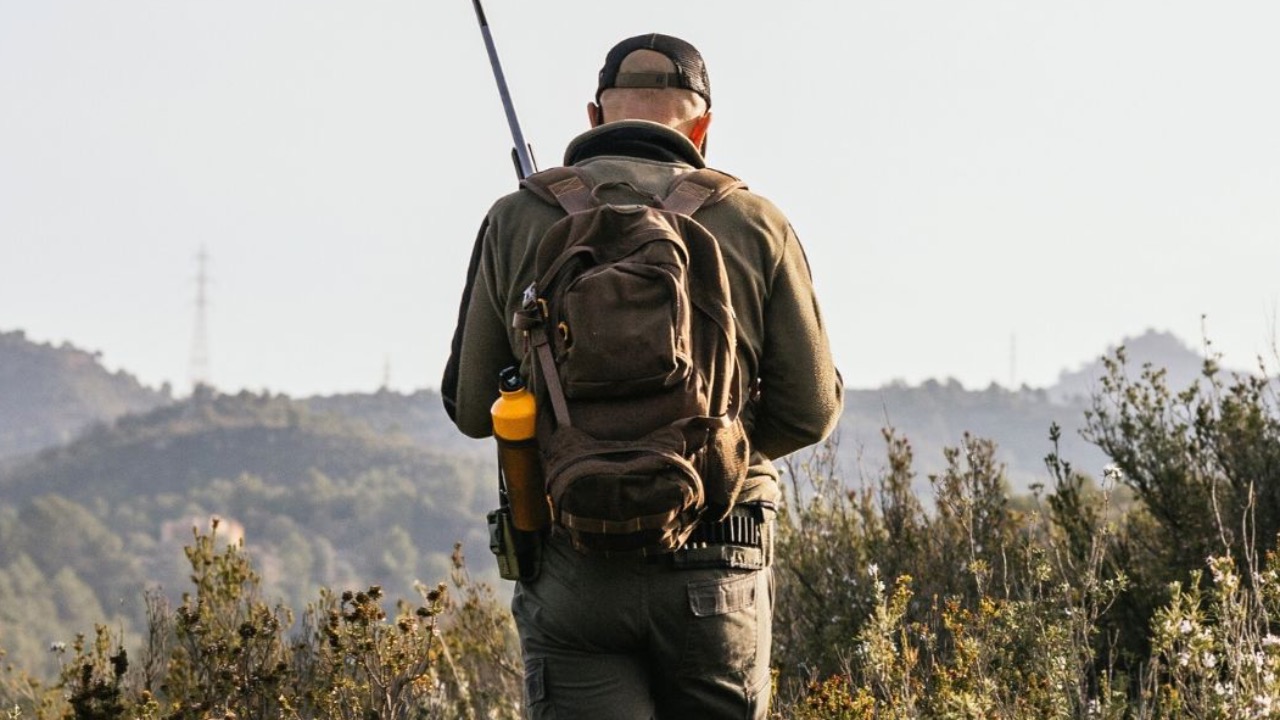
Treadmills and stair climbers help, but they don’t replace loaded carries. Packs shift, pull, and strain stabilizing muscles that machines never touch.
Regular pack walks with realistic weight build familiarity and toughness where it matters. Focus on posture and steady pacing. You learn how your body reacts before the hunt, not during it. This also exposes gear issues early, saving frustration later.
Train Cold Tolerance Into Your Routine
Cold amplifies weakness. Muscles tighten, coordination fades, and fatigue shows faster. Conditioning only in climate-controlled spaces leaves you surprised when temperatures drop.
Train outside when possible. Learn how your body warms up, how long it takes, and what movements help most. Cold adaptation improves circulation and joint comfort. When opening morning starts below freezing, your body won’t feel like it’s meeting those conditions for the first time.
Improve Hip Mobility for Quiet Movement
Stiff hips limit stride length and increase noise. They also stress knees and lower back when stepping over obstacles.
Hip mobility drills, deep squats, and controlled stretches improve movement without forcing it. Better hip range helps you step high, crouch low, and shift positions quietly. Over long hunts, that efficiency adds up, especially when still-hunting or navigating thick cover.
Train Recovery, Not Only Effort
Recovery determines how many good days you have in a row. Poor recovery turns multi-day hunts into survival exercises instead of opportunities.
Light movement, stretching, hydration habits, and sleep discipline matter as much as workouts. Training recovery teaches your body to bounce back faster between hard efforts. When you wake up ready instead of stiff and drained, you hunt better and stay safer.

Asher was raised in the woods and on the water, and it shows. He’s logged more hours behind a rifle and under a heavy pack than most men twice his age.


