Range Sessions That Make Hunting or Self-Defense Easier
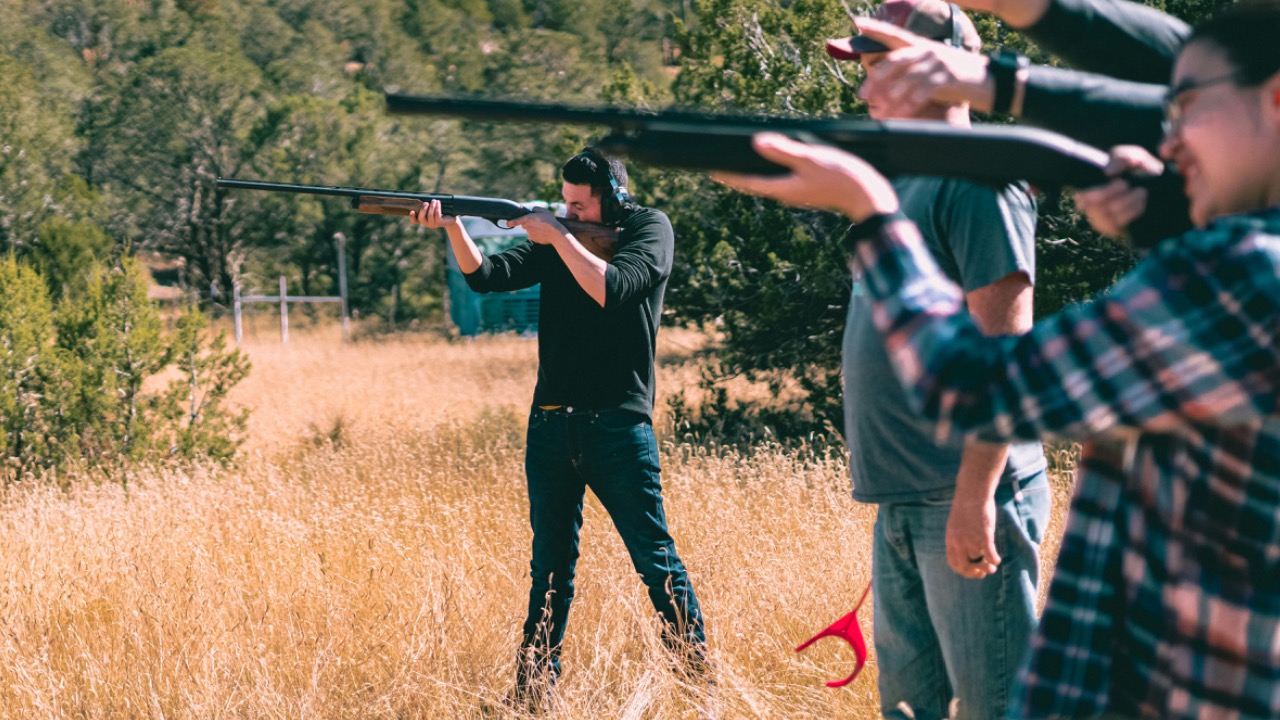
Good range work should make real-world shooting feel easier, not the other way around. Whether I am thinking about a whitetail stepping out at last light or a stranger closing distance in a parking lot, the sessions that pay off are the ones built around specific skills, realistic positions, and a clear standard for success.
The most useful practice days I see hunters and concealed carriers run have a few things in common: they are planned in advance, they track performance, and they mimic the stress and awkward angles that show up when the stakes are high. With a little structure, you can turn a box of ammo into confidence when it actually matters.
Build a Purpose-Driven Range Plan Before You Load Magazines
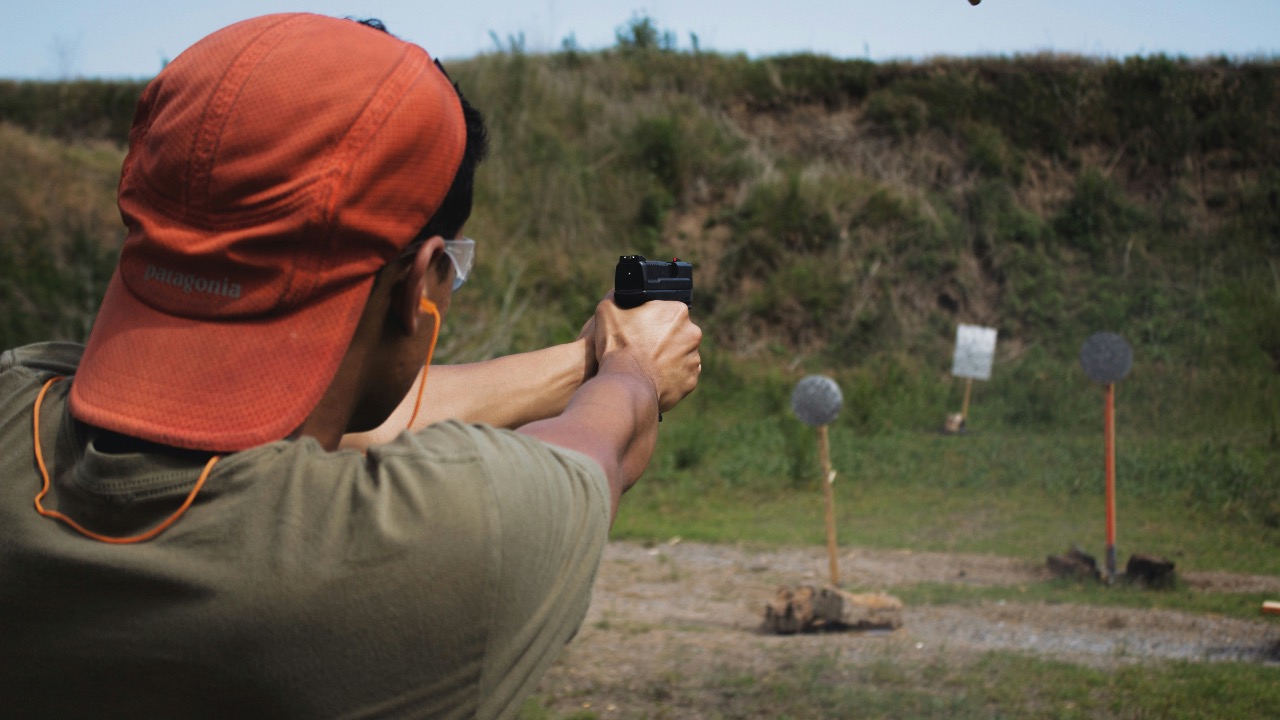
The biggest difference between casual plinking and training that carries over to hunting or self-defense is intent. I start by deciding exactly what I want to improve that day, then I pick drills and round counts that match that goal instead of wandering down the firing line and shooting whatever target looks fun. A structured plan also makes it easier to repeat the same session later and see if my skills are actually improving or if I am just burning powder.
Several experienced instructors recommend sketching out a short list of drills and using a shot timer to keep yourself honest. One guide suggests that shooters should, as Oct put it, invest in a timer and use it to push for better performance while also using it to help brainstorm new drills that expose weaknesses, which is exactly how I approach my own practice Better. Another breakdown of effective routines argues that if accuracy falls apart when you speed up, you should deliberately run multiple strings at that faster pace until your sight picture stays clean and your hits return, using simple assessments with a max score of 100 to track progress over time Aug.
Dial In Fundamentals With Slow, Boring Reps
Before I worry about speed, movement, or awkward field positions, I want my grip, trigger press, and sight picture to be automatic. That means starting range days with slow, almost tedious strings of fire that force me to see every wobble and every bad press. It is not glamorous, but it is the foundation that makes the harder drills work later in the session.
One beginner-friendly routine lays this out clearly with The Slow, Fire Accuracy Drill, where you Load a single round at a time, Stand at about five to seven yards, and focus on building a tight group instead of racing the clock The Slow. Another set of drills aimed at both new and experienced shooters starts with The Basics, using a Trigger Control and Grip Drill to reinforce how the gun should feel in your hands and how the sights should lift and settle when you break a clean shot Must. When I run these kinds of fundamentals at the start of a session, everything that follows, from positional rifle work to defensive strings, gets sharper.
Train the Sight Picture You Will Actually Use
Most of us were taught to stare hard at the front sight or the reticle until everything else disappears, but that is not always how real-world shooting plays out. At close to medium distances, especially in a defensive context, I want to see the target, the sights, and the environment at the same time so I can track movement and make decisions. That means practicing the exact sight picture I expect to use when things are moving fast.
One explanation of this concept points out that Whether you are shooting in competition or preparing for a possible self-defense situation, a peripheral sight picture that keeps the target and surroundings in view can help you put rounds on target quicker at realistic ranges Whether. On the other end of the spectrum, when I am working on precision handgun shots, especially to smaller scoring zones, I slow down and use a more refined sight picture, because Head Shots demand that You use the sights carefully and control the trigger to achieve a Head hit that can instantly stop a deadly threat at distances like 15 yards Head Shots. Building both modes into your range sessions makes it easier to match your sight focus to the shot you actually need.
Make Rifle Practice Look Like the Hunt
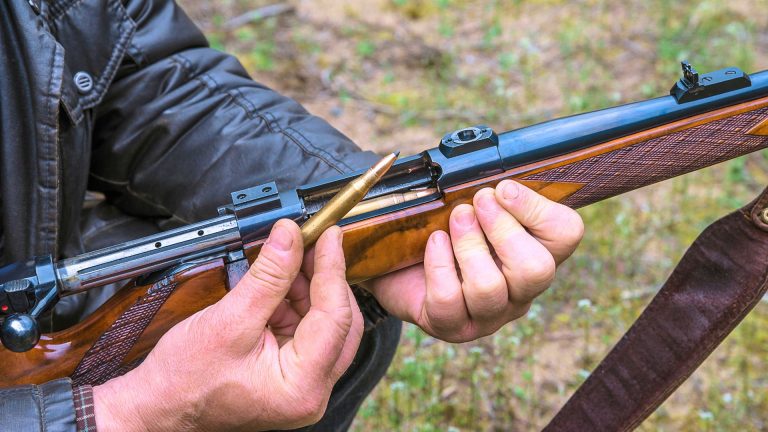
For hunters, the most common failure I see is a shooter who can stack bullets off a bench but falls apart when the shot comes from a hillside, a blind window, or a fence line. To fix that, I try to spend as little time as possible on the bench once the rifle is zeroed and instead work from the same positions I expect in the field. That means kneeling behind a pack, sitting with shooting sticks, or going prone over a rock or bipod, all while managing breathing and trigger control.
State hunter-education material spells this out clearly, noting that When you are hunting there will be times when you will not have a rest and you will need to assume one of four basic rifle positions, then urging shooters to Practice shooting from each of these positions until they are comfortable When. Long-range specialists echo that advice, breaking down every shot into a repeatable process that starts when you Iden the target, then manage body position, natural point of aim, and follow-through so that Breaking the shot under pressure feels the same on the mountain as it did on the range Sep. I have found that if I cannot hold a steady sight picture from a kneeling or sitting position at the range, I have no business taking that shot on an animal.
Layer in Long-Range Skills Without Wasting Ammo
Stretching distance is where a lot of hunters start burning ammunition without getting much better. I try to approach long-range work like a checklist: stability, breathing, trigger, and follow-through, all verified before I ever touch the dial on a scope. If any of those pieces are sloppy at 100 yards, they will be a disaster at 400.
One overview of precision rifle technique, Achieving Stability Precision, emphasizes that controlled breathing, a steady posture, and aligning the rifle so it stays on target without muscle strain are the keys to consistent hits at distance Achieving Stability Precision. Another set of long-range hunting tips urges shooters to Practice Proper Posture and Breathing, telling them to Clear their mind, Focus on the target, and Inhal and exhale deliberately to settle the reticle before the shot breaks Jul. To keep this kind of work efficient, I like the approach in one video that talks about Stop Wasting Ammo by following The Range Routine That Actually Works, which pairs a My Fundamental Range Day Ebook with a structured plan so every round has a purpose Stop Wasting Ammo.
Use Defensive Drills That Reflect Real Fights
Self-defense shooting is a different animal than slow-fire bullseye work, and the range sessions that help most are the ones that mimic how incidents actually unfold. That means drawing from concealment, shooting at realistic distances, and moving your feet instead of planting yourself in a lane. I like to build short strings that start with a concealed draw, add a few controlled hits, and then force a lateral step or a retreat while continuing to shoot.
One breakdown of close-range exercises explains How this kind of move-and-shoot drill works: at short distances, the focus should be on speed, and you should be able to fire rapid shots while moving and still keep a grouping in center mass rather than chasing a single perfect hole How. Another set of purpose-driven examples lays out a Draw and Fire Drill where you start from concealment, draw, and fire one shot at seven yards in under 1.5 seconds, then repeat until that standard is reliable, along with other Examples of Purpose, Driven Drills that tighten accuracy on small targets at 15 yards Jul. When I run these, I am not chasing tiny groups, I am chasing clean hits at realistic speed from the holster and cover garments I actually wear.
Match Frequency and Round Count to Your Life
One of the most common questions I hear is how often someone should train to stay sharp. The honest answer is that it depends on your schedule, budget, and goals, but there are some useful benchmarks. I would rather see a shooter run a focused 50-round session every week than a 300-round mag dump once a month, because skills fade quickly without repetition.
Everyday gun owners talk about this openly, with one discussion where people mention goals like trying to go to the range 2x a week with 100 rounds per trip, while others, including Kevthebassman, argue that consistent dry fire between live sessions matters more than sheer volume Sep. Another thread aimed at newer shooters suggests a practical approach: Get Ben Stoeger materials such as Practical Shooting Training, then build a schedule that mixes live fire and structured dry practice so you can improve without needing a huge ammo budget Sep. A separate conversation in the concealed-carry world boils it down even further, with one favorite simple answer being to Shoot matches with your carry equipment every month and then shoot at least as many rounds in practice as you do in competition, spreading the math out daily so the workload stays manageable Jul.
Control Ammo Use With Smart, Measured Drills
With the cost of ammunition, I pay close attention to how many rounds a drill actually needs. A good rule of thumb is to plan your session around a realistic total and then pick exercises that give you feedback on every shot. That way you can leave the range with clear notes instead of an empty wallet and a vague sense that you “shot okay.”
One practical guide to range prep starts by asking How Much Ammo Should You Bring and points out that when you are deciding what to take to the Range, you should think about the drills you plan to run and When you will be shooting slowly enough to see your hits, because slow and steady groups that nearly form one hole tell you more than spraying rounds Feb. Another set of beginner drills reinforces this by recommending low round-count exercises like loading one round at a time, then using a One to Five style drill to assess your shot grouping and make adjustments before you burn more ammo Load. I have found that when I cap my total rounds and force myself to write down scores, my focus goes up and my costs go down.
Turn Target Work Into Real-World Confidence
Paper and steel are stand-ins for something that matters more: a clean kill on an animal or a fast, accurate response to a threat. To bridge that gap, I like to end range days with a short “test” that pulls together everything I worked on, whether that is a timed draw-and-fire string or a single cold shot from a hunting position. Over time, those tests tell me if my practice is actually making the hard shots feel easier.
One explanation of how target shooting carries over to the field notes that when you Enhance your hunting skills by mastering target shooting technique, you Discover that precision practice leads to greater accuracy and confidence when you are staring at a live animal instead of a bullseye Enhance. A video focused on practical range work for hunters makes a similar point, with the host in Jun explaining that awkward positions and unsteady rests are exactly what you should be practicing, because the more awkward they are on the range, the easier they feel when a real shot appears in the field Jun. On the defensive side, another breakdown of handgun skills reminds shooters that Head shots and other precise hits require you to use the sights and control the trigger under pressure, which is why I like to finish with a few demanding strings that prove my fundamentals are still there when the clock is running You.
Fix Common Flinches and Wobbles Before They Cost You
Even experienced shooters fight the same old demons: anticipation, shaky sights, and the urge to snatch the trigger when the sight picture looks perfect for half a heartbeat. I try to build at least one drill into every session that attacks those habits directly, because they are exactly what show up when a buck steps out or a stranger closes distance.
One set of handgun drills points out that Many shooters struggle with “moving sights” or what they call “shaky hands” when they are pointed in and feel like the gun will not hold still, and it explains that learning to accept that natural movement while pressing the trigger smoothly with every shot increases accuracy Many. Another seasoned voice, writing in Oct, recommends using a shot timer not only to measure speed but also to pressure yourself into better performance, then reviewing the results to help brainstorm new drills that target specific weaknesses Oct. When I combine that kind of honest feedback with a few dry-fire reps between strings, the flinch and the wobble start to shrink, and the shots that matter feel a lot more manageable.

Asher was raised in the woods and on the water, and it shows. He’s logged more hours behind a rifle and under a heavy pack than most men twice his age.