
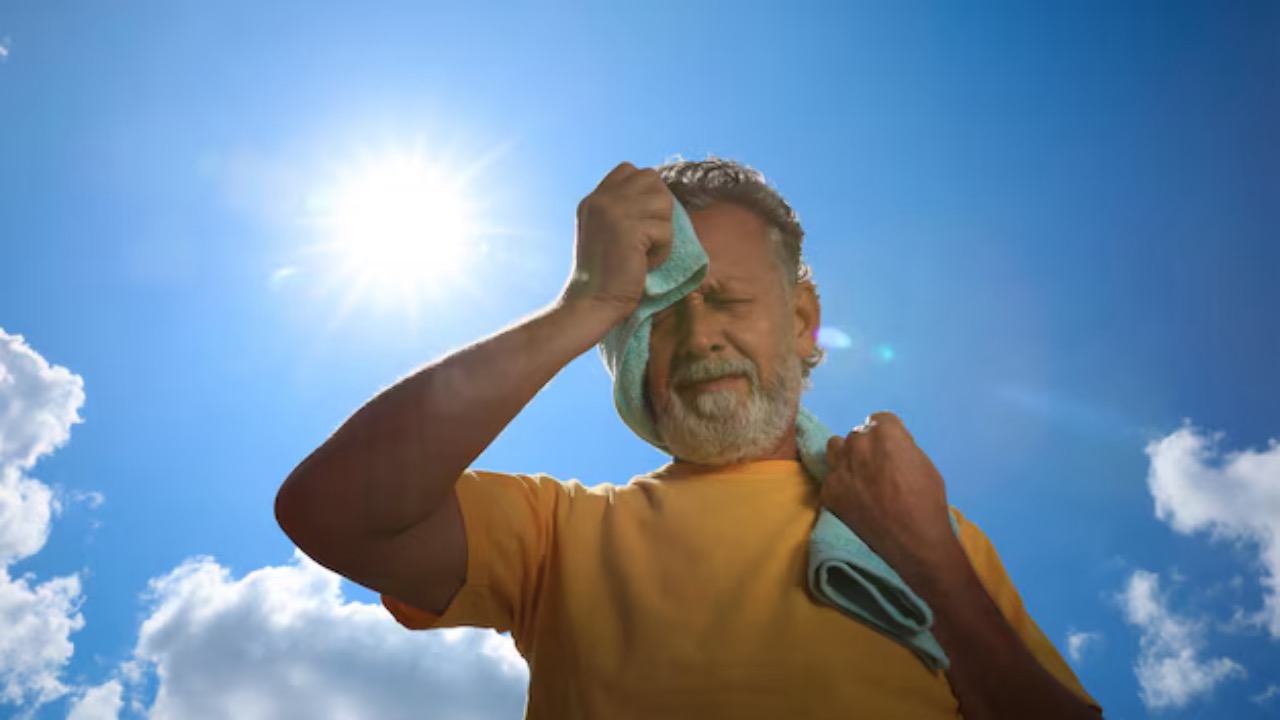
Record 104°F heat wave scorches South Texas
When thermometers climb to 104 degrees across South Texas, you don’t need a meteorologist to tell you something serious is happening. You feel it in the air before noon. You see it in the way the pavement shimmers and the wind carries no relief. In places like San Antonio, Laredo, and Corpus Christi, triple-digit heat isn’t unusual in summer—but when it locks in for days and pushes past 104°F, it stops being routine and starts reshaping daily life.
You adjust everything. Work hours shift. Ranch chores move before sunrise. Fishing trips get cut short. The heat becomes the central fact of the day, and you either plan around it or pay for it.
Overnight Lows That Offer No Relief
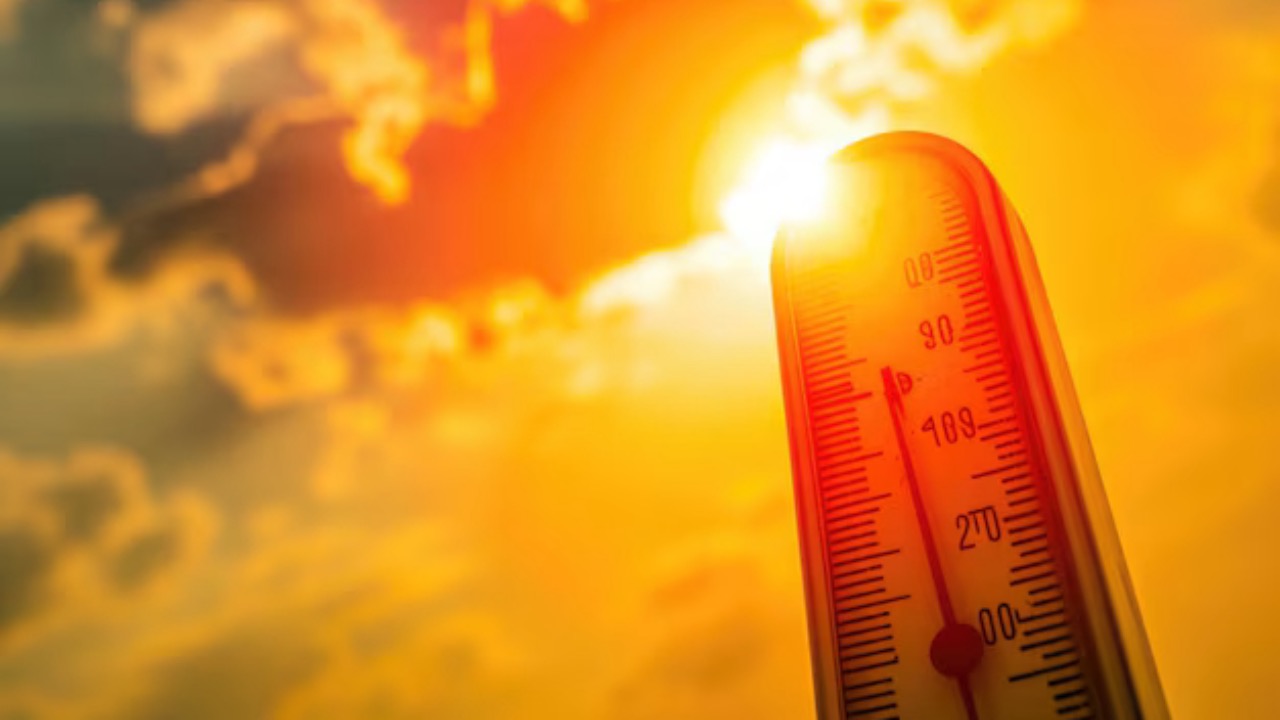
The real story isn’t always the daytime high. It’s the overnight temperature that refuses to fall. When lows hover in the upper 70s or low 80s, your body never gets a reset. Houses hold heat. Livestock stay stressed. Sleep becomes shallow and restless.
You wake up already behind. Without cooler nighttime air, power demand stays high as air conditioners run nonstop. Even well-insulated homes struggle to shed the previous day’s buildup. Over several nights, that compounds. You don’t recover, and neither does the land.
Strain on the Power Grid
Extended 104°F heat forces the Texas grid into overdrive. In regions tied into the Electric Reliability Council of Texas, demand spikes sharply in late afternoon when both residential and commercial cooling peak.
You may notice conservation notices urging reduced usage during critical hours. That’s not theoretical. Transformers heat up. Local outages become more common in older neighborhoods. When you depend on electricity for cooling, refrigeration, and water systems, even a short outage in 104-degree heat becomes more than an inconvenience.
Water Supplies Tighten
Municipal systems and private wells both feel the pressure. In drought-prone counties, local authorities often implement staged restrictions to preserve supply. You may see lawn watering limits or bans on certain outdoor uses.
Ranchers feel it first. Stock tanks evaporate faster than expected. Shallow ponds shrink to mud along the edges. In some parts of South Texas, groundwater draw increases sharply during prolonged heat, and recharge simply can’t keep pace. The longer 104°F conditions persist, the more conservation shifts from suggestion to necessity.
Wildlife Movement Changes
When heat locks in, wildlife adjusts its schedule. Whitetails feed almost exclusively at first and last light. Feral hogs move deeper into brush and river bottoms. Even coyotes reduce daylight activity.
If you spend time in the field, you notice fewer midday sightings. Water sources become focal points, and trails near creeks show heavier traffic. Heat doesn’t stop movement entirely, but it compresses it. You have shorter windows and more cautious animals. Patterning game gets harder because everything revolves around shade and water.
Fishing Slows in Shallow Water
In coastal areas near Corpus Christi and inland reservoirs alike, surface temperatures climb fast. Shallow flats warm beyond comfortable ranges for many species. Speckled trout and redfish push into deeper channels where oxygen levels hold steadier.
If you’re on the water, you feel it. The early bite window narrows. By late morning, activity drops off sharply. Heat also affects dissolved oxygen in freshwater lakes, which can stress bass and catfish. You adapt by fishing deeper structure or heading out before sunrise.
Roadways and Equipment Take a Beating
Blacktop softens. Tire pressure fluctuates. Farm equipment runs hotter and requires more frequent checks. In 104-degree heat, machinery doesn’t forgive neglect.
If you’re hauling livestock or towing a boat, you keep a closer eye on gauges. Overheated engines and blown tires become more common during extended heat waves. Even simple tasks—fueling up, loading gear, checking fences—take more effort when metal surfaces burn to the touch.
Heat Illness Risk Climbs Quickly
At 104°F, heat exhaustion can develop faster than you expect. High humidity in coastal counties makes it worse. Sweat doesn’t evaporate efficiently, and your cooling system loses effectiveness.
You may feel steady fatigue, dizziness, or cramps before you realize what’s happening. Outdoor workers, hunters scouting early season spots, and anglers wading flats are all at risk. Hydration helps, but timing matters more. Limiting exposure during peak afternoon hours becomes the smartest move you can make.
Fire Danger Edges Higher
Extended high temperatures dry grasses and brush, especially when rainfall has been below average. Even without extreme drought, fine fuels cure quickly under 104°F sun.
A stray spark from equipment or a tossed cigarette can start something that spreads faster than you’d expect. Rural counties often tighten burn restrictions under these conditions. You start noticing how brittle everything feels underfoot. Heat alone doesn’t cause wildfire, but it stacks the deck.
Livestock Stress Becomes a Daily Concern
Cattle don’t complain, but they show signs. Reduced feed intake, crowding around shade, and slower weight gain all surface during prolonged heat. Ranchers adjust feeding schedules to cooler hours and ensure reliable water access.
You can see the strain in the pasture. Shade lines grow crowded by midday. Water troughs empty faster. When nighttime temperatures stay elevated, recovery slows. Over time, that affects productivity and overall herd health.
Concrete, Steel, and the Built Environment React
Bridges expand. Rail lines shift slightly. Concrete sidewalks crack more easily under prolonged thermal stress. Infrastructure responds to sustained heat in subtle but real ways.
In cities like San Antonio, construction crews adjust hours to avoid peak afternoon temperatures. Asphalt work becomes tricky. Even routine maintenance schedules change when crews face 104°F conditions day after day. The built environment isn’t immune—it reacts right along with you.
The Mental Toll of Unrelenting Heat
Physical stress is obvious. The mental fatigue is quieter. When the forecast shows triple digits for a week straight, you start planning your day around avoidance. Outdoor routines shrink. Evenings become your only relief.
You feel it in short tempers and shortened plans. Community events thin out. Youth sports cancel practices. The rhythm of daily life shifts to accommodate survival, not comfort. Heat at this level doesn’t only affect thermometers. It changes behavior, expectations, and the pace of everything around you.
South Texas knows heat. But when 104°F settles in and refuses to move, it reminds you who’s really in charge.

Asher was raised in the woods and on the water, and it shows. He’s logged more hours behind a rifle and under a heavy pack than most men twice his age.


