Report claims U.S. intercepted communications tied to possible Iranian sleeper cells
U.S. intelligence agencies have intercepted encrypted communications that officials believe originated in Iran and could be linked to attempts to activate sleeper cells abroad. The alert has sharpened concerns that covert operatives tied to Tehran might be preparing retaliatory attacks as the 2026 Iran war escalates. While authorities say there is no confirmed plot underway, the warning has pushed governments to reassess how prepared they are for a threat designed to stay invisible until the moment it is triggered.
What officials say was intercepted
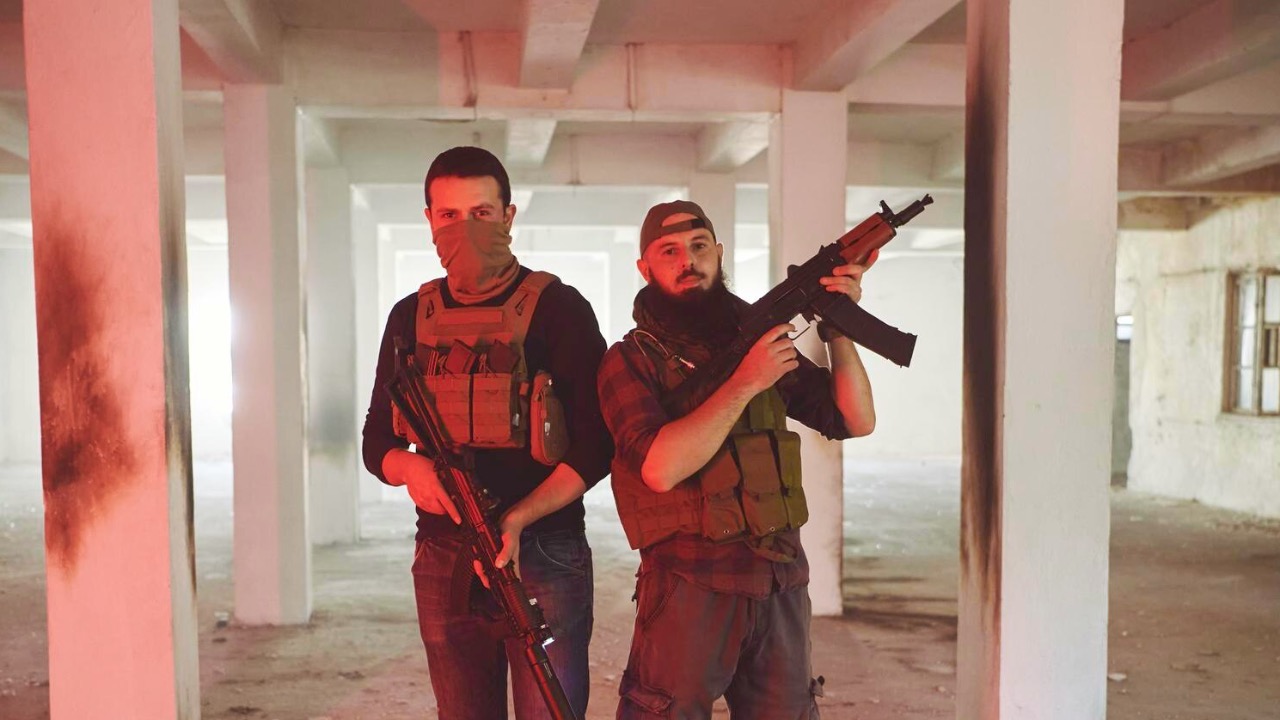
According to a federal alert described in recent reporting, the United States intercepted encrypted communications believed to have come from Iran and intended for clandestine recipients. The alert characterized the transmission as a potential operational trigger for sleeper assets, a signal that could instruct operatives already in place to move from surveillance and preparation to action.
The intercepted message was encoded and, according to the alert, appeared to be destined for clandestine recipients who possess the specific encryption key. That detail suggests the intended audience is a small and trusted network rather than a broad militant group. Security officials interpreted this as a sign that the communication might be part of a prearranged system for covert operatives, sometimes referred to as sleeper cells, who are trained to wait quietly until they receive a precise instruction.
Separate reporting from WASHINGTON described the same intercept in similar terms, stating that the U.S. picked up encrypted communications believed to have originated in Iran and that these may serve as an operational trigger for sleeper assets. The signal was reportedly captured and decoded before it reached its intended audience, giving authorities a rare glimpse into how such a system might function, but also raising questions about whether other messages may have slipped through undetected.
How the alert framed the sleeper cell threat
The federal alert, circulated to law enforcement and security partners, warned that Iran may be trying to activate sleeper cells outside the country. Officials described a scenario in which covert operatives, already embedded in foreign communities, could be instructed to carry out attacks or sabotage in response to developments in the conflict.
One section of the alert explained that a sleeper cell is a covert group of operatives who infiltrate a targeted community and remain inactive for an extended period of time, sometimes years. They live outwardly normal lives, build local familiarity and contacts, and wait for a signal to act. The intercepted transmission, which was encoded and directed to those with the encryption key, fit that model in the view of the analysts who drafted the alert.
According to a report that relayed key elements of the alert, the communication was considered significant enough that the United States issued a warning that Iran may be activating sleeper cells abroad in retaliation for recent events. The same reporting indicated that the message was believed to be connected to potential operations outside Iran, a detail that has placed particular focus on Western countries and other states that have taken part in or supported military action against Tehran.
Why Iran is under scrutiny now
The concern about sleeper cells is unfolding against the backdrop of a wider confrontation between the United States, Israel, and Iran. The 2026 Iran war began with joint airstrikes by the U.S. and Israel against military and government sites in the cities of Tehran and Isfah. Those strikes reportedly killed senior Iranian officials and damaged key infrastructure, shifting the conflict from shadow confrontation to open warfare.
Within that context, Western intelligence services have long expected that Iran might respond asymmetrically, using covert networks and proxy groups rather than direct conventional strikes. Iran has been accused over many years of cultivating influence and operational capacity through allied organizations and clandestine operatives across the West, in the Middle East, and beyond. The fresh intercept of encrypted communications believed to have originated in Iran fits that pattern and has reinforced the view that Tehran may seek to retaliate in ways that are hard to detect in advance.
Regional security experts have warned that sleeper cells bringing what one described as “war to America” is a reality, especially as Iranian leaders absorb the impact of Israeli strikes on the nation. That assessment reflects a belief that Tehran could activate operatives in response to battlefield losses or high profile assassinations, instead of or in addition to conventional military responses.
Inside the encrypted signal
Details about the content of the intercepted communication remain tightly held, but several elements have emerged through public reporting. The message was described as mysterious and heavily encrypted, a signal that U.S. intelligence intercepted and analyzed. Officials believe the transmission contained instructions that could serve as an operational trigger for sleeper assets, although the exact wording has not been disclosed.
A report citing officials said the signal raised serious global security concerns because it appeared to be part of a coordinated response after the reported assassination of Iran’s supreme leadership figure. The suggestion is that the message may have been timed to coincide with or follow a major event in the conflict, which would be consistent with a preplanned contingency system for retaliation.
Other accounts have emphasized that the intercepted signal was captured before it reached its intended clandestine recipients. One summary stated that U.S. intelligence intercepted encrypted communications believed to be from Iranian operatives before the message reached those clandestine recipients. That detail matters because it suggests that, at least in this instance, the communication chain was disrupted, potentially delaying or preventing any immediate action by sleeper cells that might have been waiting for instructions.
How U.S. agencies are responding
Inside the United States, the alert has prompted a fresh round of coordination among intelligence, law enforcement, and homeland security agencies. The Department of Homeland Security has a central role in monitoring and responding to potential threats on U.S. soil, including any activity that might be tied to foreign sleeper cells. The department works with the Federal Bureau of Investigation, local police, and other partners to track suspicious activity, share intelligence, and, if necessary, raise public threat levels.
The alert that described the intercepted communication was sent to law enforcement across the country, urging renewed vigilance and closer scrutiny of potential indicators of sleeper cell activity. Those indicators can include unexplained surveillance of critical infrastructure, unusual financial movements, or individuals who show signs of coordination with foreign actors. The Department of Homeland Security maintains guidance and resources for these efforts on its public platforms, which serve as a reference point for agencies that need to understand current threat priorities.
Officials have also stressed that, while the intercept is concerning, there is no specific operational threat tied to a known plot at this time. A social media post summarizing the alert stated that the U.S. has intercepted encrypted communications believed to be from Iran that may serve as an operational trigger or sleeper asset activation, but that there is no operational threat tied to a confirmed plan. That message appears designed to balance transparency about the risk with a desire to avoid public panic.
Political voices amplify the warning
The intercept has quickly moved from classified channels into the public political debate. In WASHINGTON, TNND described how Iran may be trying to activate sleeper cells abroad and noted that ABC reported Monday that the U.S. intercepted a message that prompted the federal alert. That framing has fed into a broader conversation about border security, immigration, and counterterrorism policy.
The Texas Rep Ted Cruz has been one of the most outspoken figures on the issue. In comments highlighted in recent coverage, he said that “We know that radical Islamic terrorists entered this country, and there’s a vulnerability all across this country.” Cruz argued that the danger from sleeper cell attacks “has never been higher than right now, particularly after four years of open borders under Joe Biden.” He called on the administration to recognize the scale of the risk and mobilize necessary security assets to protect Americans.
Former President Donald Trump has also weighed in. In an interview about Iran sleeper cells, Trump said of Iranian efforts, “They’ve been trying for a long time, and we’ve been very much on top of it.” He added, “We’re watching every single one of them,” referring to suspected sleeper cells located within the country. Those comments are part of a broader political narrative that casts the current confrontation with Iran as a test of domestic security policies and border enforcement.
How experts define sleeper cells
The term “sleeper cell” is often used loosely in political rhetoric, but security professionals apply a more specific definition. According to one detailed explanation, a sleeper cell is a covert group of operatives who infiltrate a targeted community and remain inactive for an extended period of time. They may hold regular jobs, attend local schools, and otherwise blend in, all while maintaining clandestine contact with handlers who can issue instructions when needed.
These cells are typically small, compartmentalized, and trained to avoid drawing attention. They might be tasked with surveillance of potential targets, such as power plants, transportation hubs, or symbolic landmarks, long before any attack is considered. Their value to a sponsoring state or organization lies in their ability to act quickly when ordered, without needing to cross borders or assemble large groups that could be detected.
Analysts have warned that, if ever there is going to have a Hezbollah cell or a Hamas cell act in the U.S. in a violent way, it is likely to occur at a moment when those groups or their state sponsors feel cornered or seek dramatic retaliation. In the current climate, with Iranian officials killed in strikes and the 2026 Iran war intensifying, that scenario is receiving renewed scrutiny from counterterrorism professionals.
Broader global and domestic stakes
The intercepted communication is not only a technical intelligence event, it is a signal of how the conflict with Iran might spread beyond conventional battlefields. Iran has a long and complex history, and its government has invested heavily in asymmetric tools, from cyber operations to proxy militias. A global profile of Iran shows a state that sees itself in confrontation with Western powers and has built networks to project influence far from its borders.
Security experts quoted in recent analysis have argued that sleeper cells bringing “war to America” is not a theoretical notion but a practical risk that must be managed. Diana Falzone reported that this threat has become more concrete as the conflict escalates and as Iranian leaders look for ways to respond to Israeli strikes on the nation. The phrase “war to America” captures the fear that violence tied to distant conflicts could erupt in U.S. cities without warning.
At the same time, some analysts caution against assuming that every intercept or alert means an attack is imminent. Intelligence often reveals intent, capability, or preparation, but not certainty about action. Officials who briefed on the intercepted communication have tried to convey that balance: the signal is a serious concern that justifies heightened vigilance, yet it does not automatically translate into a specific, timed plot.

Leo’s been tracking game and tuning gear since he could stand upright. He’s sharp, driven, and knows how to keep things running when conditions turn.