

Rifles hunters defend online but not in person
Every hunter has a rifle they’ll defend to the ends of the earth when the argument is on a screen. But when you get them around a tailgate or a campfire, the tone usually changes. That’s when you hear the real stories—the cold mornings where a bolt stuck, the scope mounts that wouldn’t stay tight, or the groups that opened up the moment the barrel warmed. Some rifles build their reputations through honest performance. Others earn theirs through nostalgia, marketing, or sheer repetition online. Here are twelve rifles plenty of hunters cheer for on forums but rarely brag about face-to-face.
Remington 742 Woodsmaster

The Remington 742 shows up in a lot of family gun cabinets, which explains why so many people speak kindly of it online. But once you’ve spent time with one in the field, you notice the recurring cycling issues that pop up without warning. The action can wear unevenly, and extraction becomes a headache as the rifle ages.
Hunters who used one for years often admit privately that they moved on to something more reliable. The rifle can put meat on the pole, but it requires a level of maintenance and luck that many hunters won’t mention in a public debate. Those who grew up with one usually give it more credit than it consistently earns.
Winchester Model 100
The Winchester 100 has a classic look that draws a lot of admiration online, but the real story shows up once you shoot one enough to see its quirks. The firing pin recalls and long-term safety concerns don’t get talked about much in forum threads. What you do hear about is its “history,” which tends to overshadow its actual performance.
In person, hunters often lean back and admit that the groups were inconsistent and the gas system could be temperamental. It’s a rifle people want to love because of its style and lineage. But when the conversation gets honest, more hunters confess that the rifle spent more time being worked on than carried into the woods.
Browning BAR ShortTrac
The Browning BAR ShortTrac gets big praise online for its balance of power and handling. But spend time with one, and you quickly learn how sensitive it can be to ammunition choices. Accuracy is decent, but the rifle doesn’t always hold tight groups after the barrel warms.
Hunters who own one will defend it fiercely on social media, but in person you start hearing about the weight and the cost of keeping it tuned. The rifle runs fine under ideal conditions, but field conditions aren’t always ideal. Quietly, many hunters admit that they moved on to bolt guns that performed more consistently without the fuss.
Marlin Model 336 in .35 Remington

The Marlin 336 is beloved, and the .35 Remington version gets an especially loyal online following. Still, its real-world performance can vary depending on age, condition, and ammo availability. Many rifles group fine at close ranges but struggle once you stretch past moderate distances.
Offline, owners often admit that ammo scarcity and inconsistent factory loads limit how much they practice. The rifle handles well in thick cover, but it’s not always the rifle you want when the shot gets longer or conditions change. Supporters will defend it endlessly from the keyboard, but their tone softens when you ask how often they actually hunt with it anymore.
Ruger American Rifle
The Ruger American has a strong fan base because it’s affordable and capable. But once you’ve shot several, you start to hear about flimsy stocks, rough actions, and accuracy that can vary noticeably from one rifle to the next. Online, the rifle gets painted as a miracle performer.
In person, hunters often admit that the rifle served its purpose but didn’t inspire confidence in the long run. The lightweight design makes recoil sharper in heavier calibers, and some users complain about wandering points of impact after the rifle gets bumped around. Many hunters own one, but far fewer rely on it as their primary rifle when the stakes are high.
Mossberg Patriot
The Mossberg Patriot gets loud support online because it’s inexpensive and looks the part. But experienced hunters know that price comes with trade-offs. The plastic components can feel loose, and the barrels don’t always deliver consistent groups as they heat.
Face-to-face conversations usually reveal that hunters bought one as a backup or a starter rifle, not a long-term workhorse. The action can be gritty, and mounting optics requires more attention than it should. People defend it publicly because it fills a niche, but privately they admit there are better options once you’re willing to spend a bit more.
Remington 770
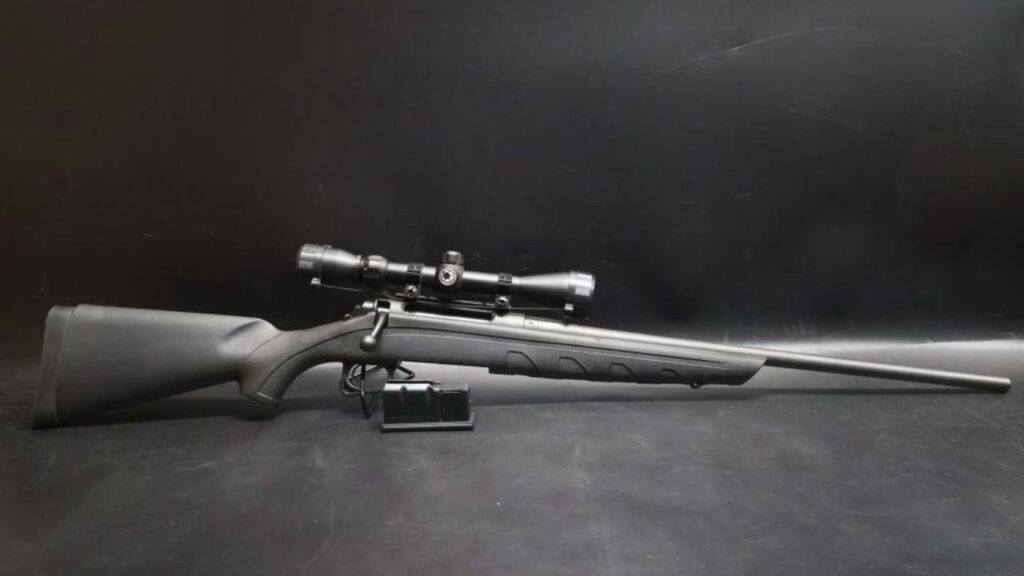
If there’s a rifle that gets more online defense than it deserves, it’s the Remington 770. On forums, owners often say theirs “shoots fine” or “does the job.” But that tends to mean they haven’t pushed it much beyond a few boxes of ammo.
In person, hunters readily acknowledge that the action feels rough, the stock flexes more than it should, and accuracy rarely inspires confidence. The included optics setups often fail early, and swapping parts isn’t as straightforward as with higher-quality rifles. Offline, the tone changes from praise to practical acceptance: it worked for a season or two, but most people don’t stick with it.
Savage Axis
The Savage Axis is another rifle that generates fierce online defense thanks to its low price point. Supporters highlight that it “shoots better than it should.” That’s true for some examples, but accuracy varies widely from rifle to rifle.
Hunters who own them often admit face-to-face that the trigger, stock, and action all feel like compromises. The rifle works, but its long-term durability and consistency are common concerns. Many hunters upgrade quickly once they gain more experience. The Axis fills a role, but when the conversation gets honest, people admit they wouldn’t rely on it for tough hunts or challenging conditions.
Henry Long Ranger
The Henry Long Ranger gets celebrated online as a lever gun that bridges the gap between tradition and modern performance. But once you spend time behind one, you notice that accuracy can vary, and the action isn’t always as smooth as advertised.
Hunters who defend it online often concede privately that the rifle is heavier than expected and can be finicky with certain loads. It’s a good rifle in many ways, but the praise can exceed the actual performance. Around camp, more than a few owners acknowledge that they switched back to bolt rifles after a couple of seasons.
Ruger Mini-14

The Mini-14 has a nostalgic following, and plenty of hunters talk it up online. But even long-time owners admit that accuracy isn’t its strongest point. Some newer models do better, but the reputation for loose groups lingers.
In real conversations, hunters often share stories of wandering zeroes, hot-barrel inconsistencies, and the challenge of squeezing the most out of the platform. The rifle handles well and feels good, but performance rarely matches the online enthusiasm. It’s a fun gun, not a precision tool, and most hunters acknowledge that once the keyboards are put away.
Browning X-Bolt Stainless Stalker
The X-Bolt Stainless Stalker gets loud support online for its durability and build quality. But some hunters quietly mention that the rifle doesn’t always deliver the accuracy its price tag suggests. The rigid stock can amplify recoil in hard-kicking calibers.
When you talk to hunters in person, you hear more about finicky barrel harmonics and inconsistent groups with certain loads. Many still like the rifle, but the level of online praise doesn’t always match day-to-day experience. It’s respected, but not always as flawless as defenders claim.
Thompson/Center Compass
The T/C Compass has a big online following because it offered good accuracy at a low price. But the rifles weren’t always consistent. Some shoot tight groups, while others require tuning and ammo experimentation to get acceptable results.
Hunters who defend them online often admit privately that the trigger and stock feel dated. The rifles work, but they don’t offer the same dependability as more established models. Many Compass owners acknowledge, once the conversation gets real, that they upgraded after a season or two and didn’t look back.

Asher was raised in the woods and on the water, and it shows. He’s logged more hours behind a rifle and under a heavy pack than most men twice his age.


