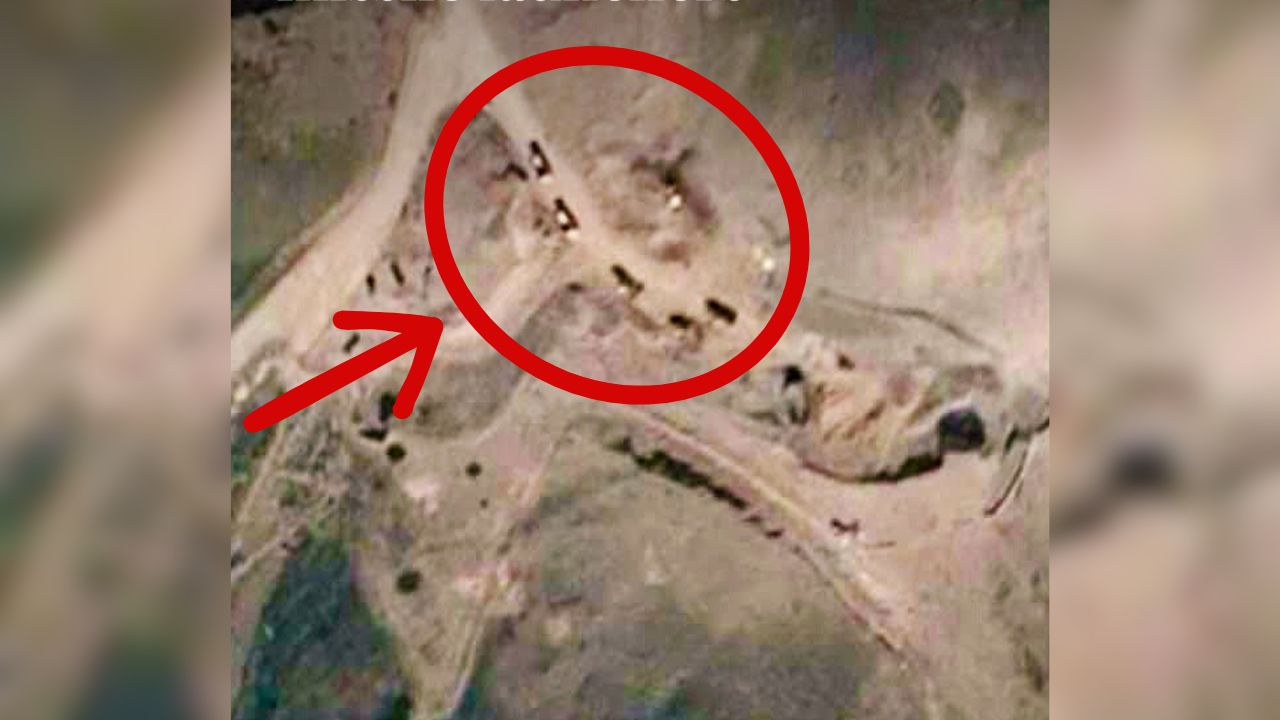
Satellite Images Show Iran Digging Up Hidden Missiles During Cease-Fire
New satellite images are raising concerns after showing Iran actively clearing debris from underground missile sites during an ongoing cease-fire. The images appear to show heavy machinery working at tunnel entrances that were previously hit in U.S. and Israeli airstrikes.
These tunnels were intentionally blocked during the strikes to trap missile launchers underground. Now, with fighting paused, the activity suggests Iran may be trying to regain access to those systems rather than stepping back from military operations.
What the satellite images reveal
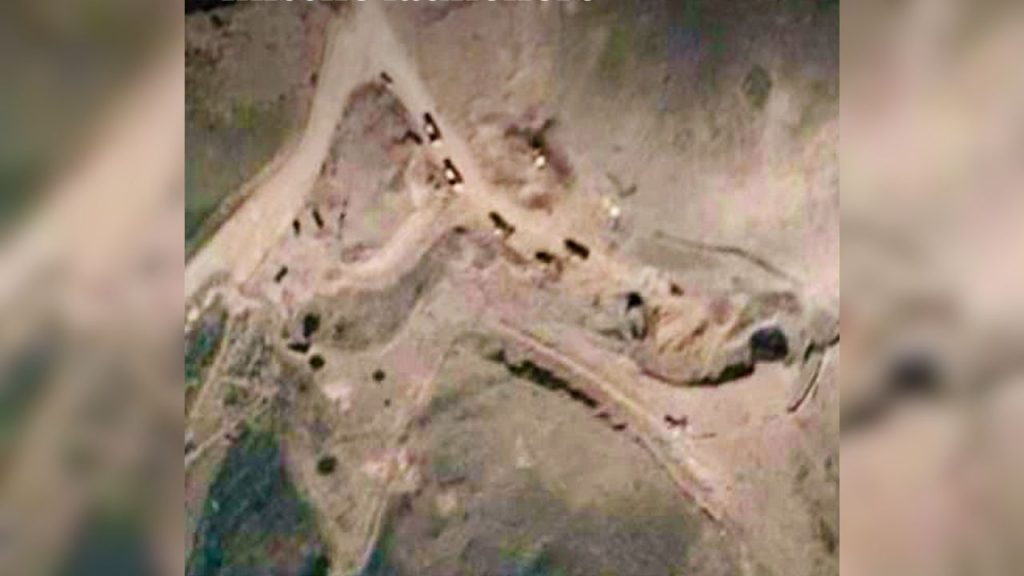
According to multiple reports, the images show trucks, bulldozers, and excavation equipment clearing rubble at key sites like Tabriz and Khomeyn. The focus appears to be on reopening tunnel entrances rather than rebuilding entire facilities.
That detail matters. Analysts say the internal parts of these underground bases may not have been fully destroyed, meaning once access is restored, some launch capability could return quickly.
Why these tunnels matter
Iran’s missile system is heavily built around what are often called “missile cities,” networks of underground tunnels designed to survive airstrikes. The idea is simple: absorb the first wave of attacks, then recover and respond.
Because these systems are buried deep in mountainous terrain, they are difficult to fully destroy. Even when entrances are sealed, the weapons inside can remain intact, which is why reopening access becomes a priority during any pause in fighting.
Cease-fire strategy under scrutiny
The timing of the excavation is what’s drawing the most attention. Cease-fires are typically meant to reduce tension or open the door for negotiations, but this activity suggests both sides may still be preparing for what comes next.
Some analysts argue this kind of behavior is expected. In conflicts like this, a pause often gives both sides time to regroup, repair damage, and reposition assets rather than fully disengage from the fight.
How much capability Iran still has
Despite weeks of heavy strikes, intelligence estimates suggest a significant portion of Iran’s missile systems may still be intact. Some reports indicate that roughly half of its launchers survived the initial attacks.
That lines up with broader assessments that Iran still holds a large запас of missiles and drones, even after major bombardment campaigns aimed at weakening its capabilities.
What happens next
Right now, the situation sits in an uneasy middle ground. The cease-fire is still technically in place, but actions like these make it clear the conflict isn’t fully settled.
If negotiations break down, the ability to quickly restore missile access could shift the balance again. And even if talks continue, this kind of activity adds another layer of tension to an already fragile situation.

Leo’s been tracking game and tuning gear since he could stand upright. He’s sharp, driven, and knows how to keep things running when conditions turn.