Senate Iran war powers resolution blocked after Fetterman’s decisive ‘no’ vote
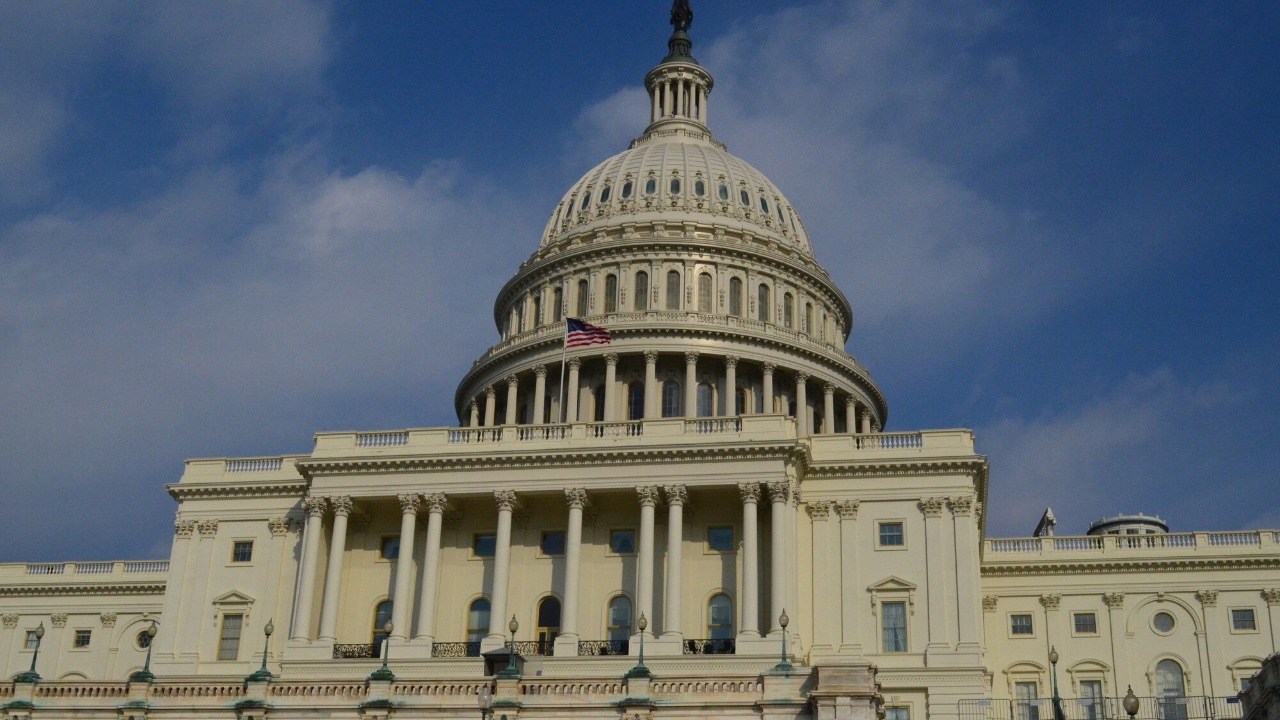
Picture the scene in the Capitol: roll call ends, and the clerk announces the result. A war powers resolution aimed at pulling back U.S. forces from Iran falls short by a single vote. President Trump’s military campaign, launched in late February under the name Operation Epic Fury, continues without fresh congressional approval. This marks the seventh time this year the Senate has rejected such a measure. The outcome leaves you weighing the balance between executive flexibility and legislative checks, especially as the conflict stretches past the 60-day mark envisioned in the War Powers Act.
A Narrow Defeat in the Senate Chamber
The final tally landed at 49 to 50. Three Republicans—Rand Paul of Kentucky, Susan Collins of Maine, and Lisa Murkowski of Alaska—broke ranks to support the resolution. That left Pennsylvania Democrat John Fetterman as the lone voice from his party voting no. His position proved decisive. Without it, the measure would have advanced. Lawmakers had gathered to debate whether Congress should reclaim its role in authorizing sustained hostilities after more than two months of airstrikes and ground operations.
The procedural vote itself carried weight beyond the numbers. Democrats framed the effort as a straightforward assertion of oversight. Republicans mostly saw it as interference in an active mission. Fetterman’s choice highlighted how personal convictions can override party loyalty in moments of high stakes. You sense the chamber’s unease as the gavel falls and the session moves on.
Fetterman’s Role as the Deciding Voice
Fetterman has held firm on this issue from the start. He views the operation as necessary to neutralize Iran’s nuclear ambitions and weaken its support for regional militias. In his public statements, he has stressed the need to let the military finish its objectives rather than pull back midway. This marks the seventh time he has parted ways with most Democrats on the matter since strikes began.
His consistency stems from a long-standing focus on strong national security postures, particularly regarding threats to Israel and U.S. interests. Colleagues on both sides noted the shift when Republican defections made his vote the one that mattered. The Pennsylvania senator stood alone among Democrats, arguing that halting momentum now would send the wrong signal to adversaries. His decision kept the door open for continued executive action.
The Resolution’s Aim to Restore Balance
Introduced by Oregon Democrat Jeff Merkley, the measure sought to require explicit congressional approval for any further military moves against Iran. It invoked the War Powers Resolution to force a debate on ending unauthorized hostilities. Proponents argued that after exceeding the initial 60-day window, lawmakers could no longer defer to the White House alone.
Critics inside the administration and among its allies called the push premature and politically motivated. They pointed to Iran’s persistent capabilities and the regime’s history of destabilizing activities. The resolution never reached a full floor debate this time, but its repeated introduction keeps pressure on the executive branch. You see how each failed attempt reinforces the ongoing tug-of-war over constitutional authority.
Signs of Shifting Views Among Republicans
The three Republican yes votes signal growing discomfort within the GOP. Paul has long championed restraint in foreign entanglements. Collins and Murkowski, often more moderate on defense matters, cited concerns about costs and open-ended commitments. Their support narrowed the margin but ultimately fell short.
This marks a change from earlier votes when party unity held tighter. Lawmakers have begun hearing from constituents worried about rising oil prices topping $105 a barrel and the financial burden already exceeding $25 billion. The narrowness of the defeat suggests future attempts could gain traction if public sentiment hardens. You notice lawmakers glancing toward the calendar as midterm pressures loom and negotiations with regional partners continue.
The Broader Stakes in the Iran Conflict
Operation Epic Fury aimed to degrade Iran’s nuclear infrastructure and disrupt its proxy networks. U.S. forces have conducted targeted strikes while the administration reports progress against key sites. Yet the regime persists under new leadership, and sporadic attacks on American assets have not fully subsided.
Democrats describe the engagement as a war of choice driven by unilateral decisions. They highlight the human toll and economic ripple effects felt across global markets. Supporters counter that hesitation would have allowed Iran to cross a nuclear threshold with far greater consequences. The debate centers on whether congressional intervention strengthens or weakens America’s hand abroad. Fetterman’s stance keeps the focus on completing the stated goals without premature retreat.
Looking Ahead to Future Votes
With the resolution blocked once more, attention turns to the next window for action. Senate leaders from both parties acknowledge the close vote could preview tighter battles ahead. Bipartisan talks on supplemental funding and diplomatic off-ramps remain in play.
Fetterman shows no sign of softening his position, while the handful of Republican crossovers indicate room for coalition-building. You watch as the calendar advances and the conflict’s duration tests institutional patience. Congress retains tools to revisit the issue, but the immediate effect is clear: presidential discretion on Iran remains intact for now. The episode underscores how one senator’s conviction can shape outcomes in an evenly split chamber.

Asher was raised in the woods and on the water, and it shows. He’s logged more hours behind a rifle and under a heavy pack than most men twice his age.