Slow Loris Rewilding Disaster: 7 of 9 Rescued Animals Dead Within Months—What Went Wrong
A well-intentioned wildlife release effort has come under scrutiny after most of the animals involved didn’t survive long in the wild—raising difficult questions about how rewilding projects are planned and executed.
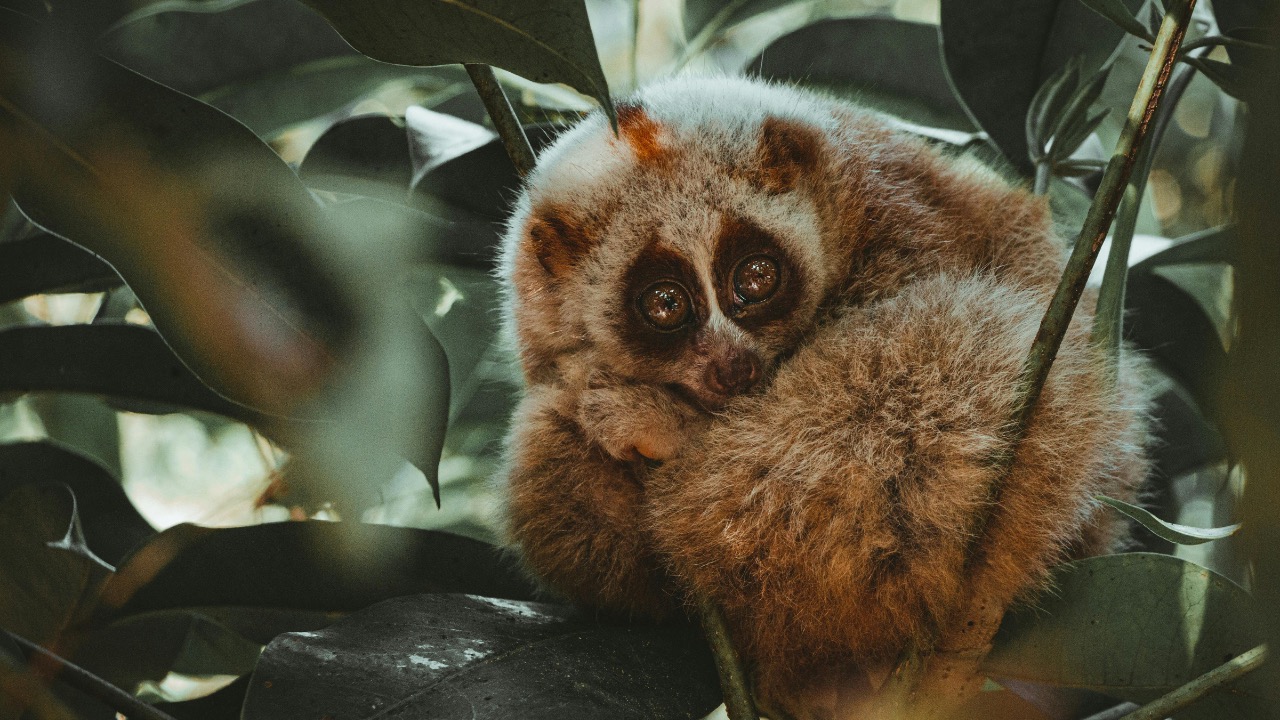
The case centers on a group of slow loris that had been rescued from the illegal pet trade and later released back into their natural habitat. Within just a few months, 7 of the 9 animals had died, according to reports tied to the project.
What Happened
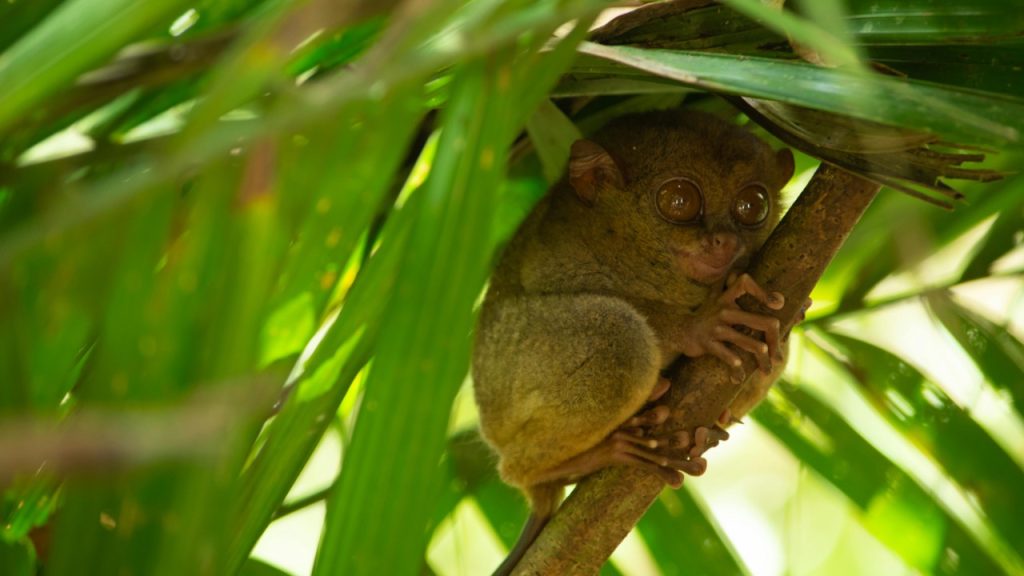
The animals had been rehabilitated after being confiscated from captivity—often a complex process for species like slow lorises, which are frequently trafficked as exotic pets.
After a period of care, they were released into the wild with the goal of restoring them to a natural environment.
But monitoring data soon revealed that most of the group did not survive.
Why Slow Lorises Are So Difficult to Rewild
Slow lorises present unique challenges that make successful release especially difficult:
- They rely on specific diets that can be hard to replicate in captivity
- Many have had their teeth removed by traffickers, limiting their ability to feed properly
- They are nocturnal and territorial, making adaptation to new environments more complex
- They depend heavily on dense forest habitat, which may be fragmented or degraded
Even small disruptions in these factors can significantly impact survival rates.
What May Have Gone Wrong
Experts reviewing cases like this point to several possible issues that can lead to failed reintroductions:
1. Habitat Mismatch
If the release site doesn’t closely match the animal’s original environment, it can struggle to find food or shelter.
2. Incomplete Rehabilitation
Animals that haven’t fully regained natural behaviors—like foraging or avoiding predators—face immediate risks.
3. Health Complications
Many rescued lorises suffer long-term health problems due to captivity, including malnutrition or dental damage.
4. Stress and Disorientation
The transition from captivity to the wild can be overwhelming, especially without gradual acclimation.
A Larger Problem in Wildlife Rescue
The situation highlights a broader issue: rescuing animals is only the first step.
Rewilding—returning them to nature—is often far more complicated and less predictable.
Conservation groups face a difficult balance:
- keeping animals in long-term captivity
- or releasing them with uncertain chances of survival
In some cases, release is seen as the best option despite the risks.
Why This Is Getting Attention
Cases like this draw strong reactions because they challenge a common assumption—that rescue followed by release is always the best outcome.
Instead, they show that without the right conditions, rewilding efforts can unintentionally lead to high mortality.
The Bigger Picture
Slow lorises remain heavily affected by the illegal wildlife trade, and rescue efforts are still critical for the species’ survival.
But this case is a reminder that conservation work doesn’t end when animals are saved—it continues through careful planning, habitat protection, and long-term monitoring.
And when those pieces don’t fully come together, even well-intended efforts can have tragic results.

Leo’s been tracking game and tuning gear since he could stand upright. He’s sharp, driven, and knows how to keep things running when conditions turn.