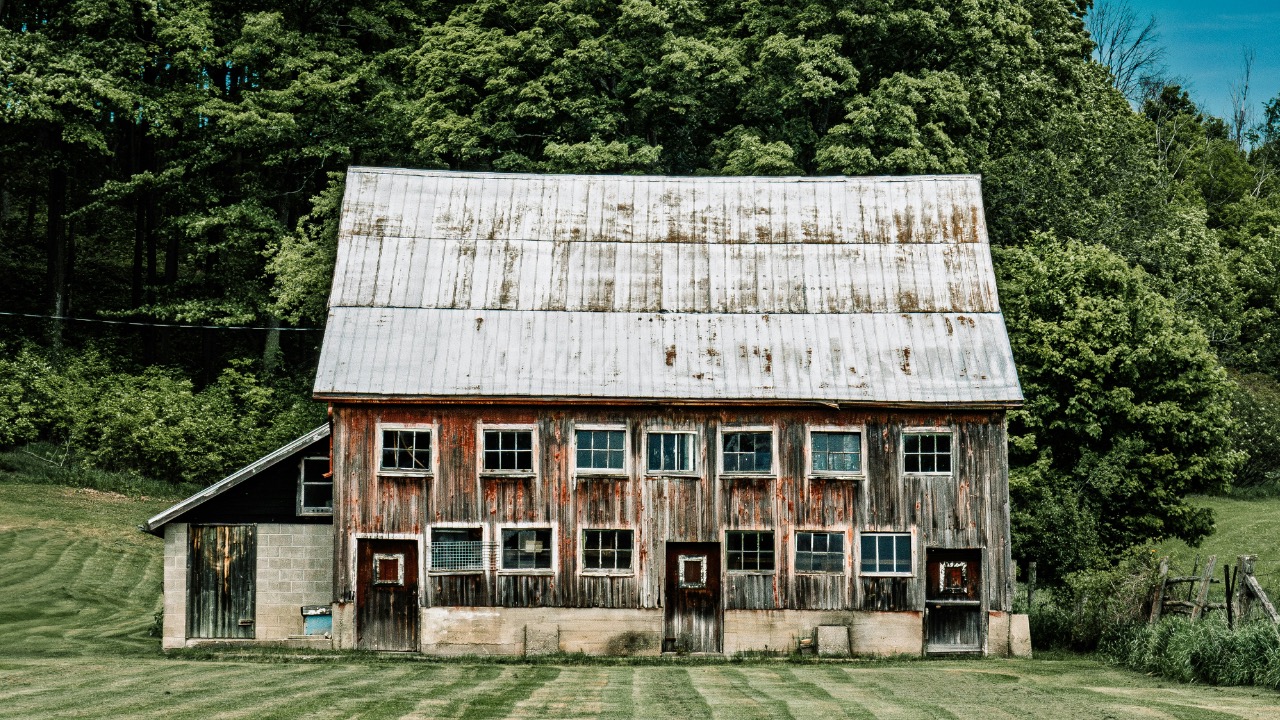
Tennessee Family Says Government Wants Land Their Family Has Held Since the Revolutionary War
Land ownership in the United States often carries more than financial value. For many rural families, property holds generations of history, stories, and hard-earned survival. In parts of Tennessee, some farms and tracts of land have stayed within the same families since the late 1700s, when Revolutionary War veterans and early settlers first carved homesteads out of wilderness.
Now imagine learning that the government may want that same ground—land your family has held for more than two centuries. That’s the situation one Tennessee family says they’re facing. The dispute touches on old land grants, modern development pressures, and the complicated legal systems surrounding property rights.
If you’ve ever wondered how land from the Revolutionary War era still shapes conflicts today, this story gives you a clear look at how the past and present collide.
Land Grants That Go Back to the Revolutionary War
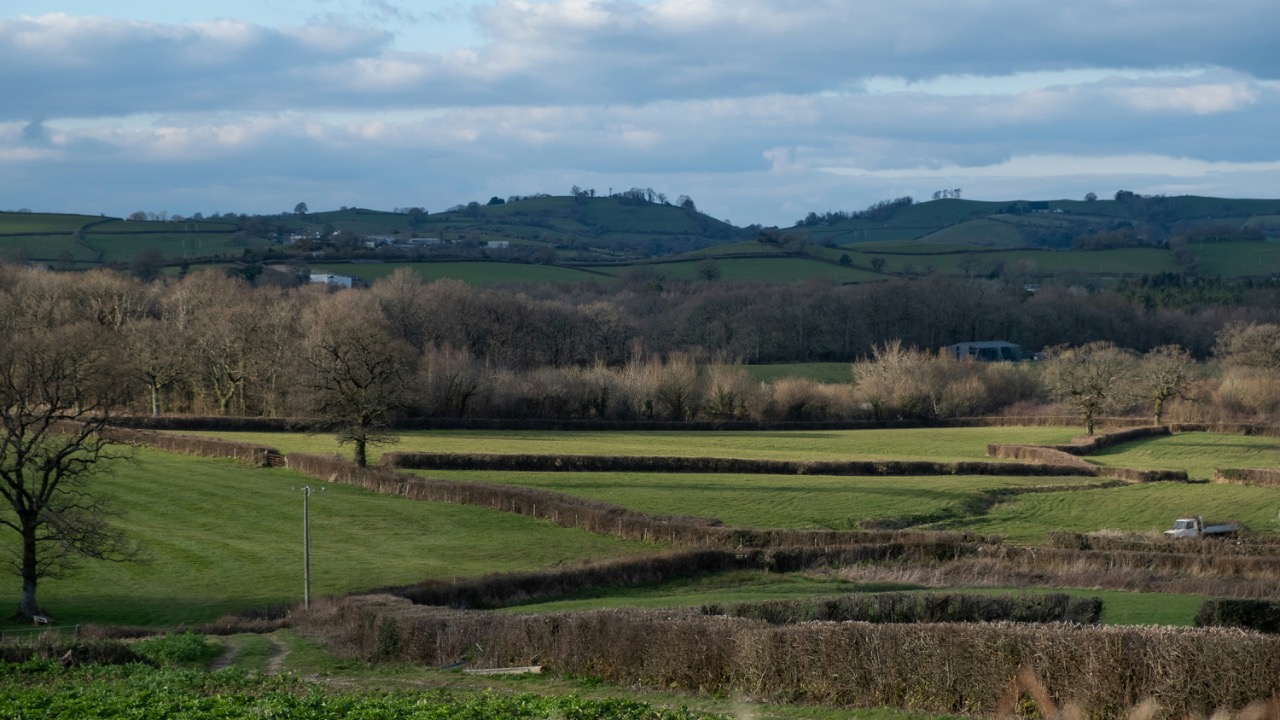
Many pieces of land in Tennessee trace back to grants issued after the Revolutionary War. States rewarded soldiers and settlers with acreage on the frontier, often hundreds of acres at a time. These grants encouraged migration west and helped establish early communities across the region.
Records show that many veterans received land in what was then western North Carolina, long before Tennessee became a state. Families who held onto those grants passed them down through generations, sometimes maintaining ownership for more than 200 years.
When a family says their property dates back to the Revolutionary War, it often means the original claim started with one of these early grants. The land itself becomes a living document of American history.
Why the Government May Want the Property
Conflicts like this usually arise when governments need land for public projects. That could mean highways, reservoirs, wildlife areas, or infrastructure expansion. Tennessee has seen many similar disputes over the decades as population growth spreads into rural counties.
In some cases, officials argue the land is necessary for public use. When that happens, authorities may rely on eminent domain, a legal process that allows the government to acquire private property for projects considered beneficial to the public.
Even when compensation is offered, families often resist. When land has been held for generations, the fight isn’t always about money. It’s about keeping a piece of family history intact.
Tennessee’s Deep Frontier History Complicates Land Claims
Tennessee’s early settlement history creates unusual land ownership situations. Before statehood, settlers organized their own local governments and land agreements along the frontier.
One example was the Watauga Association, formed in the early 1770s by settlers along the Watauga River. It acted as a self-governing colony before the region officially joined the United States.
Because of arrangements like these, property lines and titles in some areas date back to early frontier agreements. That history can make modern legal disputes far more complicated than standard property conflicts.
Generations of Ownership Carry Emotional Weight
When land stays in the same family for centuries, the connection runs deeper than acreage on a map. Old cemeteries, homesteads, and farm fields become part of family identity.
In many rural Tennessee counties, descendants can still point to the exact spot where their ancestors built cabins, planted the first crops, or defended settlements during frontier conflicts.
Losing property like that feels less like a real estate transaction and more like erasing a chapter of family history. That emotional connection often drives families to fight much harder than outsiders expect.
Eminent Domain Battles Are Nothing New in Tennessee
Property fights involving the government have happened across Tennessee for decades. Large projects like dams, highways, and urban expansion have displaced families and reshaped entire communities.
Historically, projects connected to the Tennessee Valley Authority flooded thousands of acres during the twentieth century. Families who had lived on river land for generations suddenly had to relocate when reservoirs were created.
Those earlier disputes left a long memory in rural communities. When modern land seizures are proposed, residents often recall past cases where families felt they had little power against government decisions.
Development Pressure Is Increasing Across the State
Tennessee is growing rapidly, and that growth places pressure on farmland and historic properties. Subdivisions, commercial development, and transportation projects now reach areas that once stayed rural for generations.
Over the past few decades, the state has lost huge amounts of farmland as cities expand outward. In a 20-year period alone, more than 1.1 million acres of farmland were converted to development.
When land suddenly becomes valuable for infrastructure or housing, families with long-held property sometimes find themselves at the center of disputes they never expected.
Historic Farms Still Exist Across Tennessee
Despite development pressure, some family farms have survived for generations. Tennessee even recognizes certain long-owned properties as “Century Farms,” meaning they’ve remained within the same family for at least 100 years.
Organizations like the Land Trust for Tennessee work with landowners to preserve agricultural land and historic landscapes. The group has helped protect tens of thousands of acres across the state.
These preservation efforts show how strongly many Tennesseans value family land. They also highlight why disputes over historic property can attract attention far beyond the families directly involved.
The Legal Fight Can Stretch for Years
Property cases tied to historic land often move slowly through the legal system. Title records may date back centuries, and courts sometimes need to review old surveys, land grants, and boundary agreements.
Legal questions can involve state borders, early treaties, and historical compacts. In past cases involving Tennessee land boundaries, even the U.S. Supreme Court has weighed in on how property rights should be interpreted.
Because of that complexity, a modern dispute over Revolutionary War–era land can turn into a lengthy court battle. Families often spend years trying to prove ownership or prevent seizure.
History, Property Rights, and Modern Growth Collide
At the center of disputes like this is a larger question: how do you balance growth with heritage?
Communities need roads, infrastructure, and housing. At the same time, historic family land represents something that can’t be recreated once it’s gone.
When a property has remained in the same hands since the late 1700s, it becomes more than real estate. It’s a reminder of the earliest days of settlement in Tennessee and the families who built lives there.
That tension between development and preservation is why cases like this continue to draw attention. They reveal how the decisions made today can reshape landscapes that have stayed unchanged for centuries.

Asher was raised in the woods and on the water, and it shows. He’s logged more hours behind a rifle and under a heavy pack than most men twice his age.